

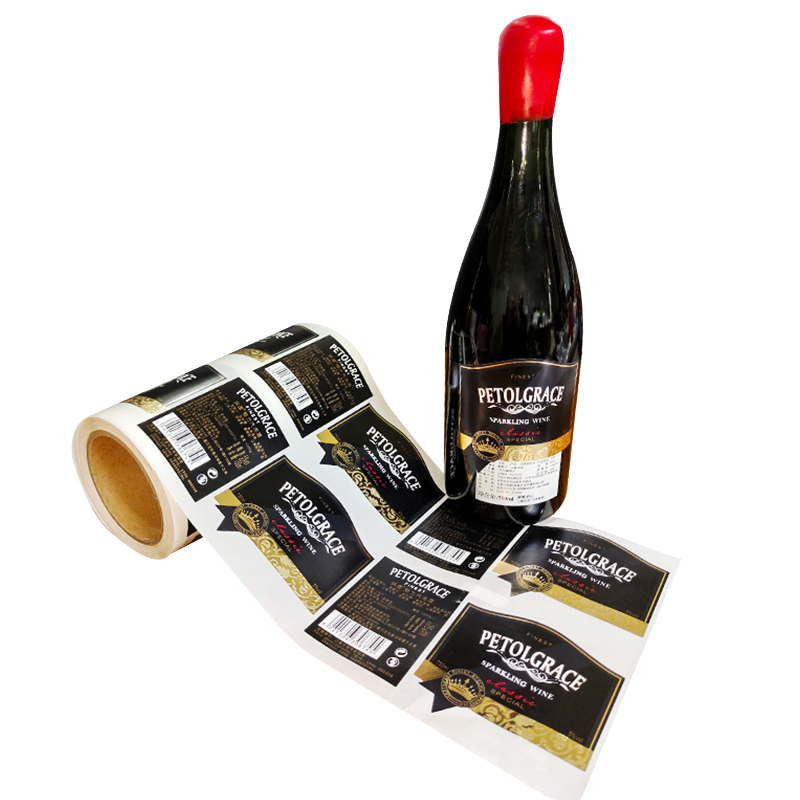
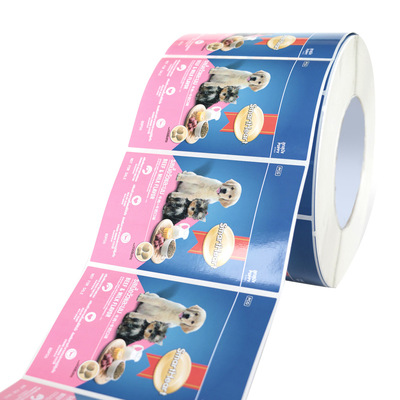
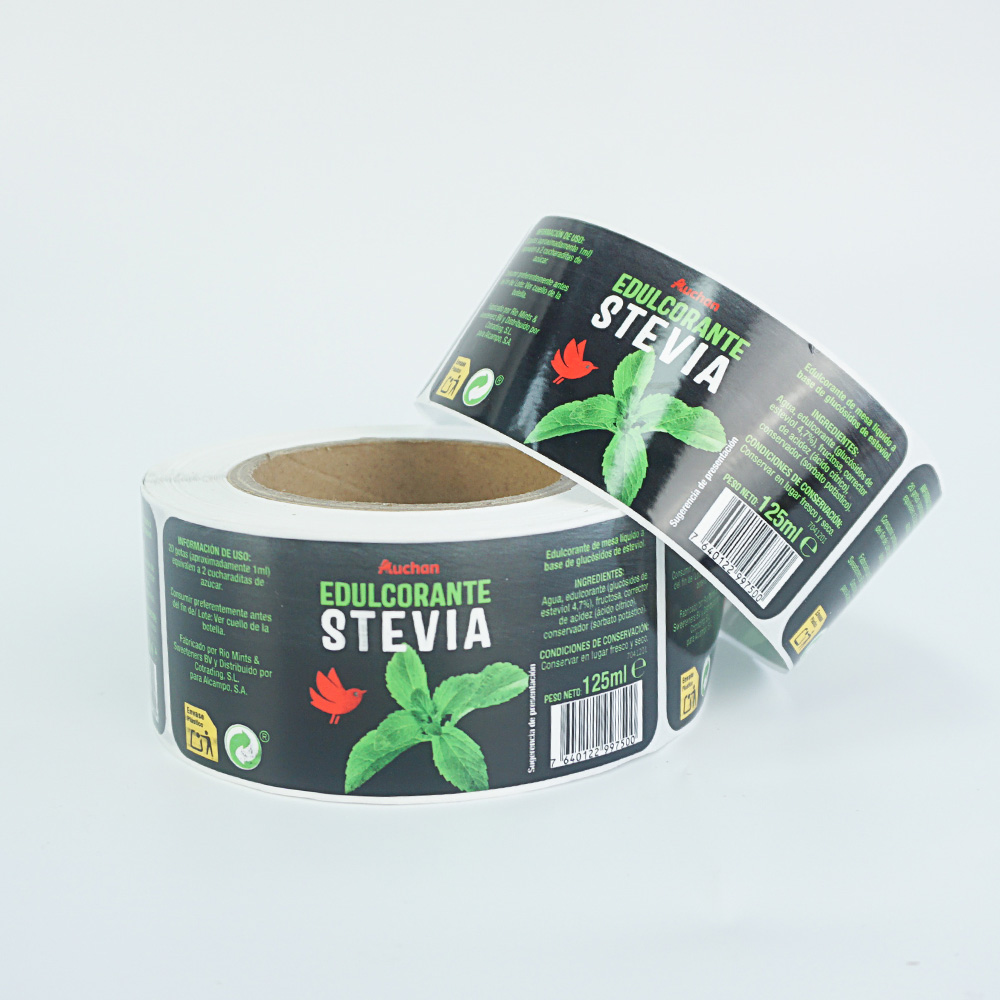
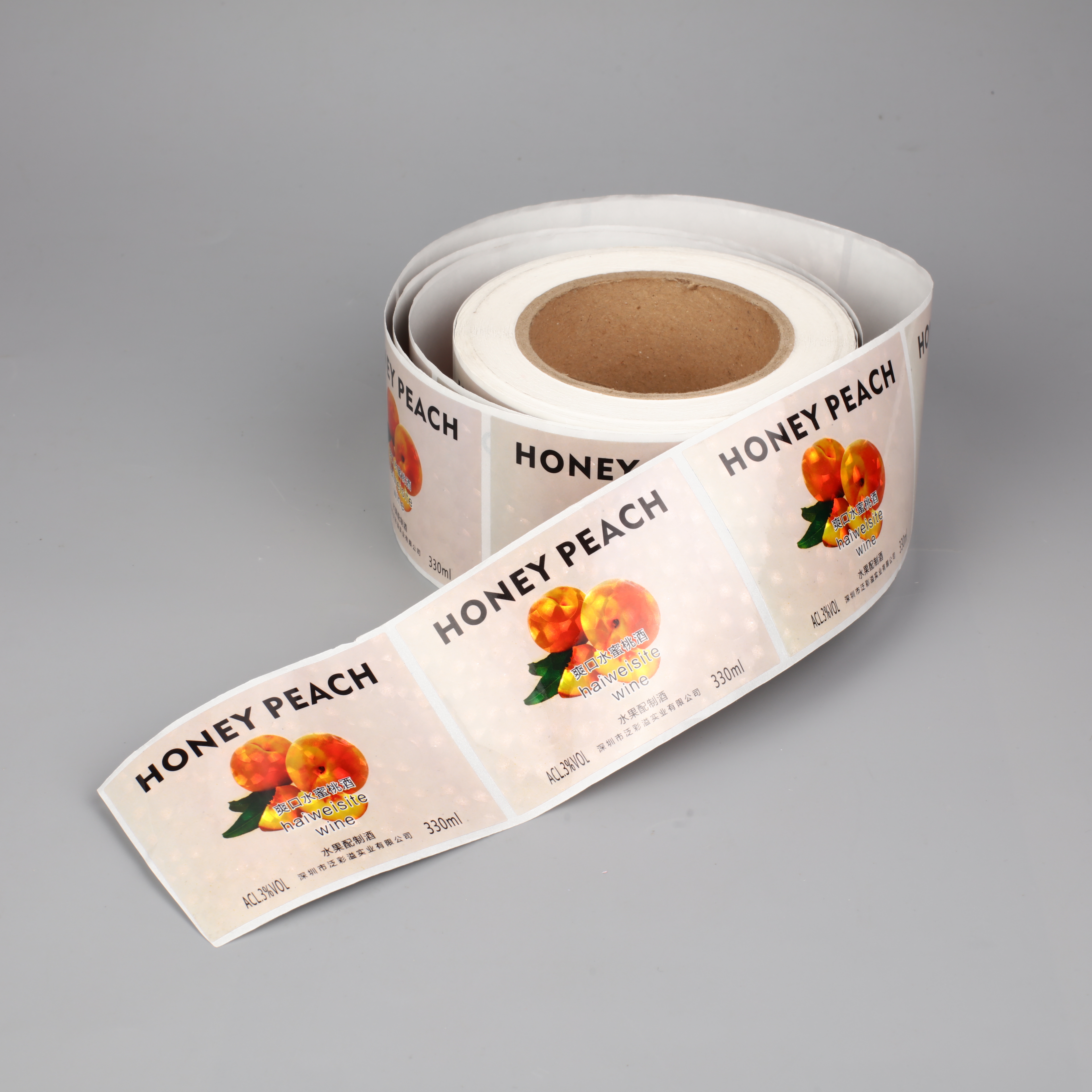
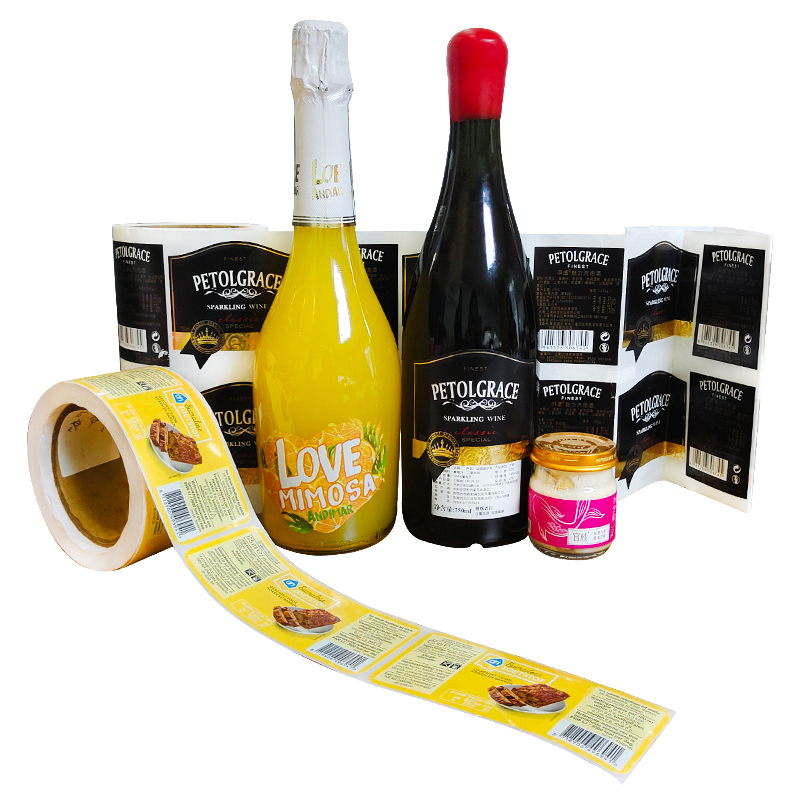
Hot sale cosmetic perfume wine sticker custom bottle labels
Product Overview
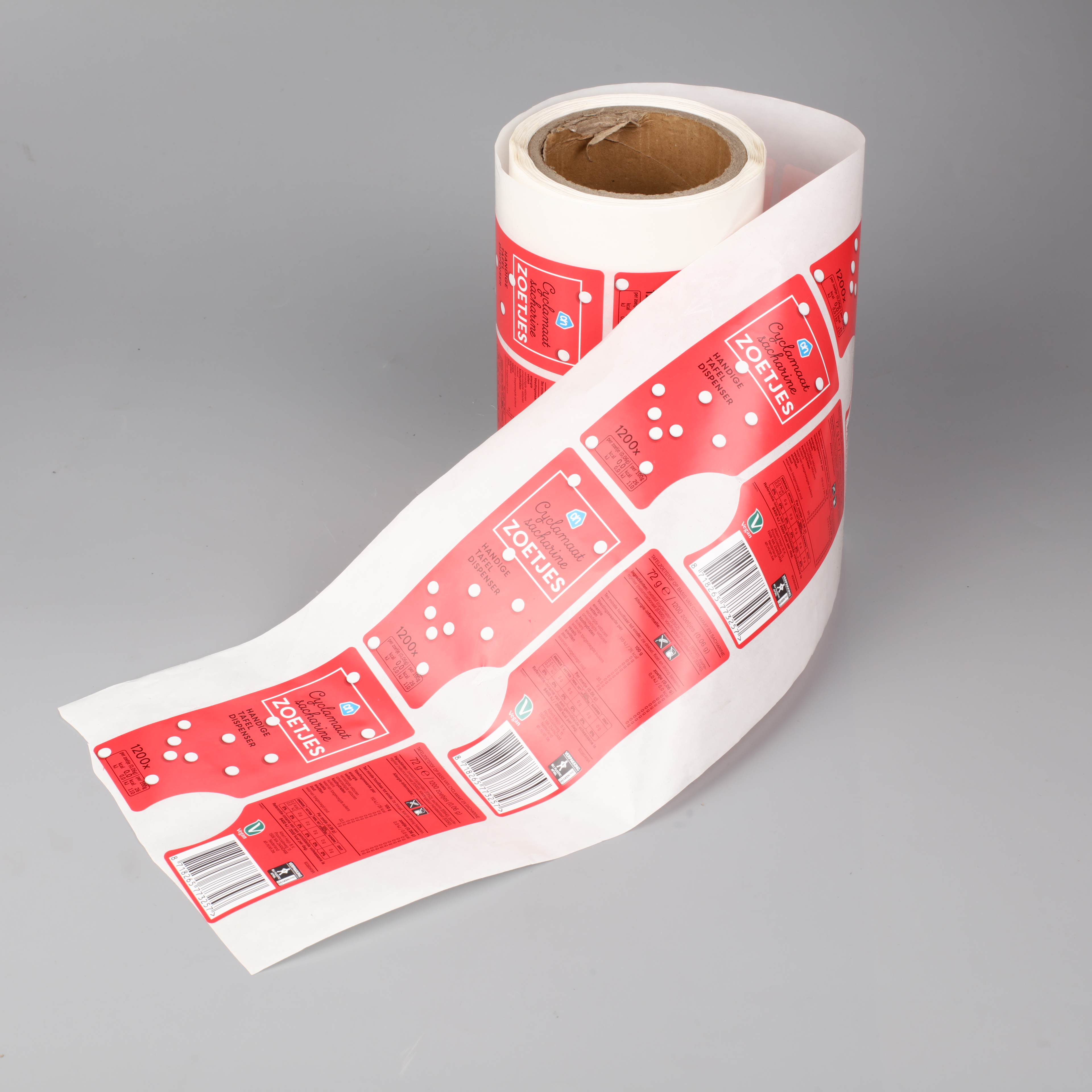
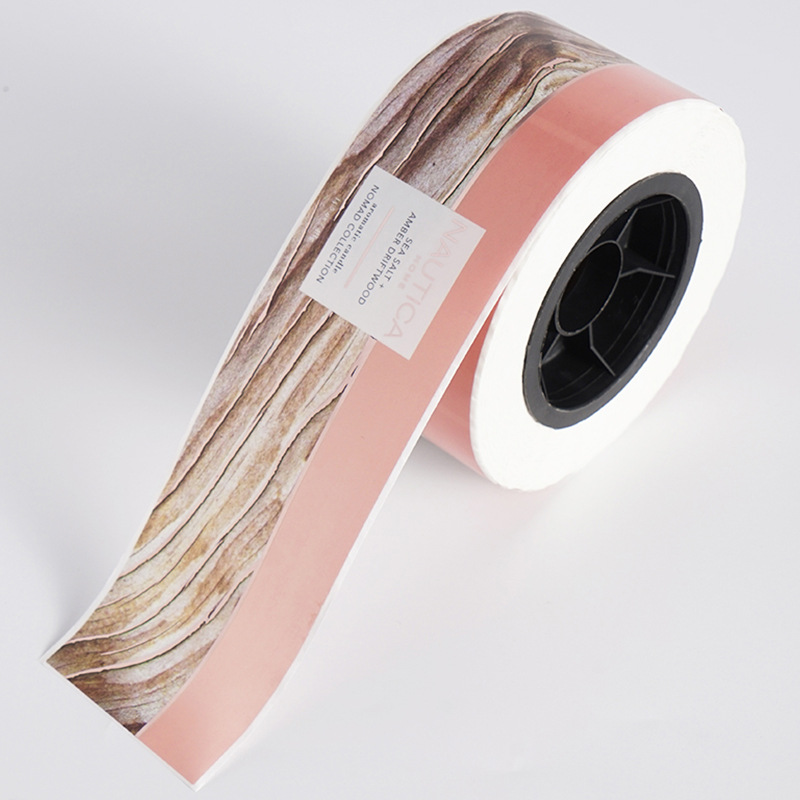
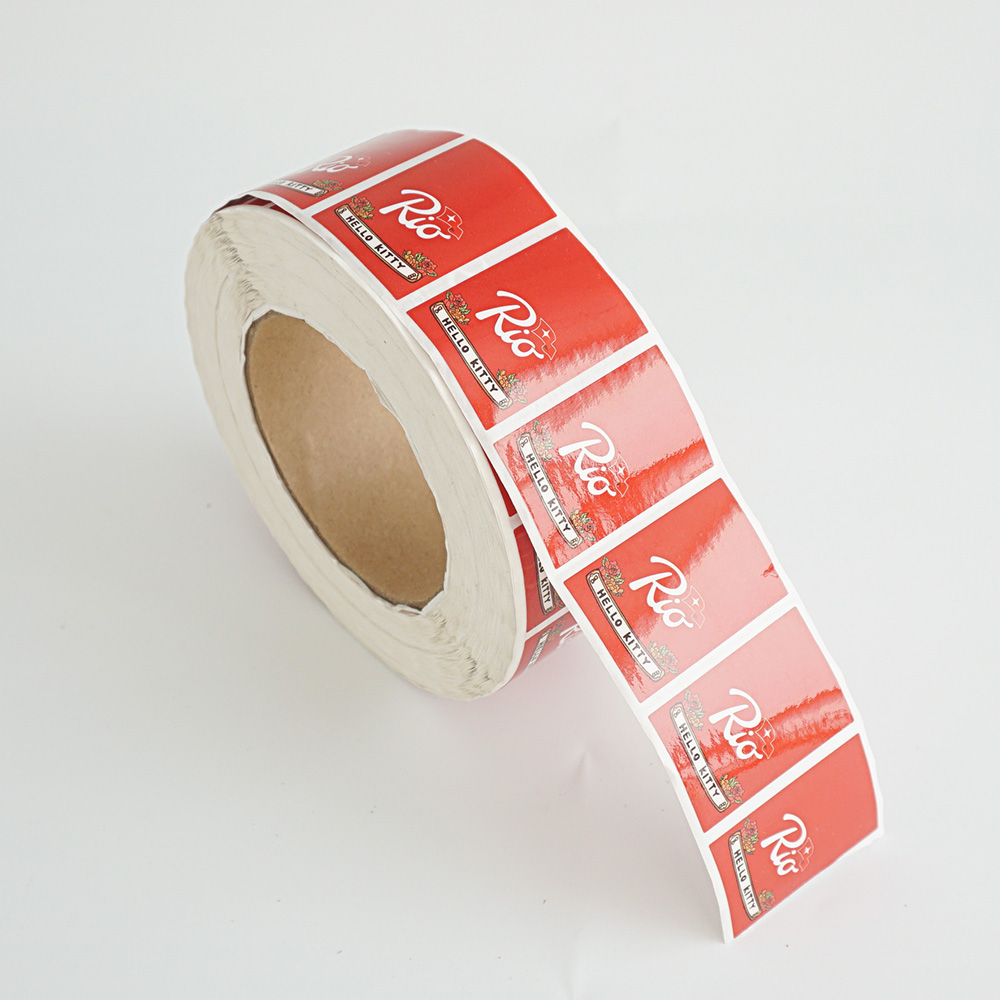
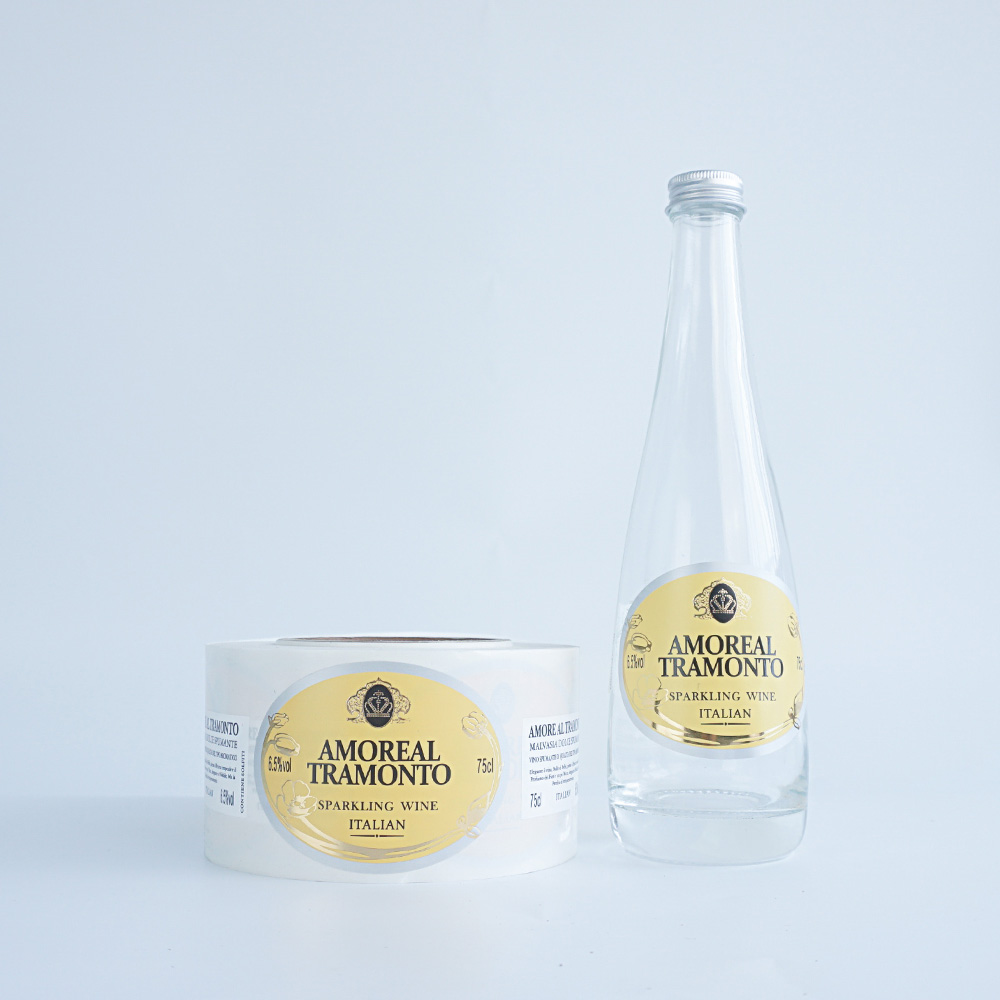
This custom bottle label is developed for products where the label is not simply used for identification, but forms an important part of the final packaging appearance.
Cosmetic bottles, perfume bottles and wine bottles can differ significantly in shape, size, surface area and visual positioning. A label designed for one bottle may not produce the same result when used on another.
For this reason, SailingPaper develops custom bottle labels around the actual packaging rather than forcing the customer to select from only fixed stock dimensions.
The label can carry:
1.Brand logo
2.Product name
3.Product series
4.Fragrance or variety
5.Ingredients
6.Volume information
7.Barcode
8.QR code
10.Product description
11.Promotional information
12.Decorative artwork
Customers can print custom bottle labels according to their own packaging identity, allowing the label, bottle and outer packaging to create a more coordinated final presentation.
Label Material and Basic Structure
Bottle labels need to combine a printable surface with a self-adhesive structure that can be converted into the required size and shape.
The current product uses vinyl as the label material and can be customized into irregular, square, rectangular, round and other shapes.
A typical finished label includes:
1.Printable face material
2.Customized printed artwork
3.Adhesive layer
4.Release liner
5.Die-cut label edge
6.Roll winding structure
Each part contributes to the final usability of the label.
The face material carries the printed brand information, while the adhesive layer connects the label to the bottle surface. Die cutting determines the final shape, and stable roll winding helps keep labels organized for storage, transport and application.
Developed Around the Actual Bottle
The physical bottle should be considered before the final label is produced.
Important factors include:
1.Bottle Width
Determines how much horizontal space is available for artwork.
2.Bottle Height
Defines the usable vertical labeling area.
3.Bottle Shape
Round, square, flat and curved bottles require different label proportions.
4.Available Labeling Area
Bottle shoulders, curved edges or decorative structures may reduce the usable surface.
5.Bottle Surface
Glass and different plastic containers may require different application considerations.
6.Label Position
Front labels, wrap-style labels and smaller decorative labels create different visual effects.
Because these factors vary from product to product, there is no single standard bottle label size that can provide the best result for every package.
Label-to-Bottle Proportion
A good label should look visually balanced once it is applied.
If the label is too large, it may cover too much of the bottle and reduce the visual value of the container itself.
If it is too small, the branding or product information may become difficult to read.
During label planning, the following should be considered:
1.Width relative to bottle diameter
2.Height relative to the straight bottle area
3.Spacing around the label
4.Distance from bottle shoulders and base
5.Position of the logo
6.Text size
7.Barcode area
8.Decorative artwork
For small cosmetic or fragrance packaging, a mini bottle label may be more appropriate than reducing a large label design until the content becomes crowded.
Custom Shapes for Different Packaging Styles
Bottle labels do not need to be limited to standard rectangular formats.
Depending on the packaging design, the label can be produced in different shapes.
1.Rectangular Labels
Suitable for packaging that requires a larger amount of product information.
2.Square Labels
Useful for compact brand layouts and flat bottle panels.
3.Round Labels
Suitable for logos, seals, secondary bottle decoration and small packaging.
4.Irregular Labels
Custom die-cut shapes can follow specific artwork or branding concepts.
Shape selection affects both the visual identity and the amount of usable print space.
The final shape should therefore be selected according to the bottle, information volume and branding style rather than appearance alone.
Die Cutting and Label Edge Design
The cutting quality of a bottle label contributes directly to the finished packaging appearance.
Accurate die cutting helps maintain:
1.Consistent dimensions
2.Clean label edges
3.Uniform shapes
4.Stable spacing on the liner
5.Consistent positioning from label to label
For customized shapes, the die-cut line should be considered during artwork preparation so that important logos or text are not positioned too close to the edge.
Rounded or custom-shaped edges can also influence how the label visually integrates with the bottle.
This is particularly important for cosmetics and perfume packaging where small design differences are highly visible.
Printing for Brand and Product Information
Bottle label printing has two major functions: communicating product information and building brand identity.
Custom artwork can include:
1.Logo
2.Product name
3.Fragrance name
4.Wine variety
5.Ingredients
6.Product instructions
7.Brand slogan
8.Barcode
9.QR code
10.Batch information area
11.Decorative graphics
12.Promotional content
When customers print bottle labels, the layout should establish a clear information hierarchy.
The brand or product name normally receives greater visual emphasis, while supporting information can be arranged at a smaller scale.
For labels with many information elements, spacing becomes especially important because crowded artwork can reduce readability even when the printing itself is clear.
Artwork Layout for Small Bottle Labels
Small containers require more careful artwork planning.
Perfume samples, essential oil bottles and miniature cosmetic packages have limited labeling areas.
For these products, it is usually better to prioritize:
1.Brand name
2.Product name
3.Volume or key product information
4.Essential identification elements
Secondary information can be moved to the outer carton when the packaging design allows.
This approach helps a mini bottle label maintain a clean appearance rather than attempting to reproduce the same layout used on a larger bottle.
Cosmetic Bottle Labels
Cosmetic packaging often includes multiple products within the same collection.
A skincare brand may use different bottles for:
1.Serum
2.Toner
3.Lotion
4.Essential oil
5.Facial care products
6.Body care products
7.Beauty treatments
8.Sample products
Although the bottles are different, the label system should still communicate that they belong to the same brand.
This can be achieved through consistent use of:
1.Brand logo position
2.Typography
3.Color system
4.Artwork structure
5.Product naming hierarchy
6.Label proportions
A white bottle label can create a clean and minimal presentation, while colorful custom printing can help differentiate different product series or variants.
Perfume Bottle Labels
Perfume bottles place greater emphasis on visual presentation and often provide less space for labeling.
The label may need to communicate only a small number of essential elements while maintaining an elegant appearance.
Typical perfume label information can include:
1.Brand
2.Fragrance name
3.Product collection
4.Volume
5.Product category
6.Decorative graphics
Travel-size perfume and fragrance samples can use a compact mini bottle label, while larger bottles allow more flexibility in artwork and decorative content.
For perfume collections, keeping the logo, typography and layout structure consistent while changing fragrance names or colors can help create stronger family recognition across multiple SKUs.
Wine Bottle Labels
Wine packaging usually provides a larger printable surface and allows more detailed information to be displayed.
A wine bottle label may include:
1.Winery or brand
2.Wine name
3.Variety
4.Vintage
5.Origin
6.Product description
7.Barcode
8.QR code
9.Decorative elements
The label should complement the shape and color of the wine bottle rather than cover the entire visual surface unnecessarily.
Custom dimensions make it possible to balance the bottle, artwork and available information more effectively than using generic labels.
White and Clear Packaging Appearance
The visual appearance of the label changes the overall impression of the bottle.
White Bottle Labels
A white bottle label provides a clear visual base for dark text, colorful logos and detailed product information.
It works particularly well for:
1.Minimal cosmetic packaging
2.Skincare
3.Clean beauty products
4.Modern fragrance packaging
5.Information-focused designs
Clear Bottle Labels
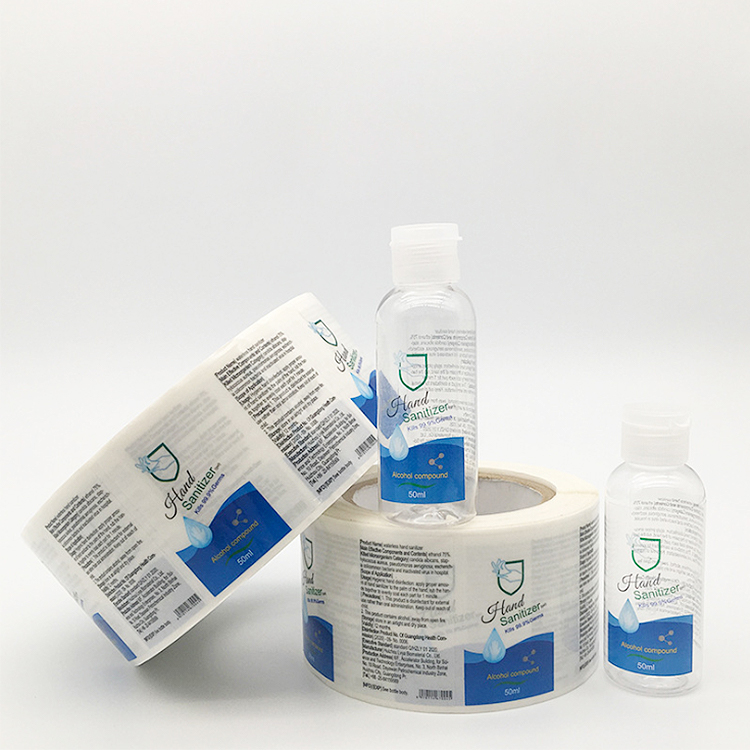
Transparent-style labels reduce visual obstruction and allow more of the bottle or product color to remain visible.
They may be suitable when the container itself forms an important part of the packaging design.
For applications involving moisture or specific environmental conditions, suitable waterproof clear labels for bottles should be evaluated according to the intended use.
Adhesion and Bottle Surface Matching
Reliable labeling depends on the relationship between the label and the bottle.
Different bottles may have:
1.Smooth glass surfaces
2.Plastic surfaces
3.Curved areas
4.Flat panels
5.Narrow application zones
6.Areas frequently handled by consumers
For this reason, adhesive labels for bottles should be selected and sized according to the actual package.
The label should lie naturally on the intended application area without unnecessary tension around strongly curved sections.
Properly designed self adhesive labels for bottles also make the application process easier and help maintain a cleaner finished appearance.
Front Label, Partial Wrap and Decorative Label Use
Bottle labels can be used in different ways depending on the packaging design.
1.Front Label
Focuses attention on the main brand and product information.
2.Partial Wrap Label
Provides a wider printable area while still leaving part of the bottle exposed.
3.Small Decorative Label
Can be used for a logo, seal, product series or secondary branding element.
4.Multiple-Label Combination
Some packaging projects use separate front and secondary information labels.
The final format should be determined according to the amount of information and the desired product appearance.
Roll Label Format for Commercial Packaging
Roll labels are practical for organized storage and repeated bottle application.
The current product specification is 500 PCS per roll.
For B2B buyers, roll supply provides several practical advantages:
1.Labels remain organized
2.Easier quantity management
3.Convenient storage
4.Suitable for repeated packaging work
5.Easier handling during batch application
6.Simplifies repeat procurement
Roll orientation and final packing requirements can also be discussed when the project requires specific application arrangements.
Manual and Production-Line Labeling Considerations
For manual application, convenient label removal and consistent dimensions help operators maintain a neat final appearance.
For machine application, roll structure and label spacing become more important because consistent feeding supports smoother application.
Buyers using automatic labeling equipment should provide relevant application information when confirming the project.
This allows the final label format to be developed with the packaging process in mind rather than considering only the printed appearance.
Multi-SKU Packaging Consistency
Many cosmetic, perfume and wine brands manage more than one product.
A single product family may contain:
1.Different fragrances
2.Different formulas
3.Different bottle sizes
4.Different wine varieties
5.Different colors
6.Seasonal versions
7.Promotional editions
Custom production makes it possible to create a common label system while changing only the information required for each SKU.
For example, the same logo position, typography and label structure can be retained while changing the product name, color or variant.
This approach helps maintain consistent brand recognition across the entire range.
Variable Product Information Planning
Different product versions may require changes in:
1.Product name
2.Fragrance
3.Flavor
4.Volume
5.Barcode
6.QR code
7.Color
8.Batch area
9.Product description
When multiple versions are planned, the artwork should be organized so that the changing information remains in consistent positions.
This improves packaging consistency and makes future repeat production easier to manage.
Product Customization Options
SailingPaper supports bottle label customization around the actual packaging project.
| Item | Customization |
| Product | Custom Bottle Labels |
| Material | Vinyl |
| Color | Colorful / Custom |
| Size | Customized |
| Shape | Round, Square, Rectangle, Irregular or Custom |
| Printing | Logo, Text, Graphics and Full-Color Artwork |
| Artwork | Customer Design Supported |
| Application | Cosmetic, Perfume, Wine and Other Bottles |
| Label Format | Roll |
| Roll Specification | 500 PCS/Roll |
| Packaging | Custom Project Requirements |
| Sample | Free Sample Available |
The final specification should be confirmed according to bottle size, artwork, quantity and application requirements.
Artwork Preparation Before Production
Proper artwork preparation helps reduce unnecessary adjustments during production.
Before submitting artwork, buyers should confirm:
1.Final label dimensions
2.Label shape
3.Logo placement
4.Text content
5.Barcode size
6.QR code position
7.Color requirements
8.Cutting line
9.Bleed area where required
A blank bottle label template based on the confirmed dimensions can help designers create artwork around the real production area.
This also answers the practical question of how to make bottle labels for commercial packaging: start from the physical bottle and production dimensions before finalizing the graphic design.
Sampling Before Mass Production
For a new bottle or a new label design, sampling can be useful before moving into larger production quantities.
A sample can help buyers evaluate:
1.Label size
2.Shape
3.Artwork proportion
4.Color presentation
5.Text readability
6.Bottle fit
7.Overall packaging appearance
The current product page supports free samples.
For custom projects, actual requirements should be confirmed before sampling so that the evaluation is relevant to the final production order.
Production and Quality Control
Producing professional labels for bottles requires consistency from printing through converting and packing.
Key production details include:
1.Printing Clarity
Logos, small text and graphics should remain visually clear.
2.Registration
Different printed elements should maintain consistent positioning.
3.Die-Cut Accuracy
The finished label shape should remain stable from one piece to another.
4.Edge Quality
Clean edges improve the final packaging appearance.
5.Roll Winding
Consistent winding helps keep finished labels organized.
6.Quantity Control
Roll quantities should match the confirmed production specification.
Finished Appearance
The overall label should remain consistent across the production batch.
These checks are especially important when the same design will be reordered regularly.
Packaging and Delivery Preparation
Finished bottle labels need to remain protected before they reach the customer's packing line.
Roll labels are organized for easier counting, storage and transportation.
For commercial orders, packaging should help protect:
1.Printed surfaces
2.Die-cut edges
3.Roll shape
4.Label winding
5.Finished quantity
Shipping arrangements can then be confirmed according to order volume and destination.
From Bottle Information to Finished Labels
A customized bottle label project can be managed through a clear development process:
1. Provide Bottle Information
Bottle dimensions, shape and application surface.
2. Confirm Label Dimensions
Determine the usable labeling area.
3. Confirm Shape
Select standard or custom die-cut design.
4. Submit Artwork
Provide logo, text and graphic files.
5. Confirm Specifications
Material, quantity, roll format and other requirements.
6. Sample Evaluation
Check appearance and actual bottle fit when required.
7. Production
Printing, die cutting and roll converting.
8. Inspection and Packing
Finished products are checked and prepared for shipment.
This process allows the label to be developed around the actual packaging rather than treating it as an independent printed item.
Information Needed for a Custom Order
Providing complete product information helps shorten the specification confirmation process.
Buyers can prepare:
| Required Information | Example |
| Bottle Application | Cosmetic / Perfume / Wine |
| Bottle Material | Glass / Plastic / Other |
| Label Size | Width × Height |
| Label Shape | Rectangle / Round / Custom |
| Quantity | Required PCS or Rolls |
| Artwork | AI / PDF or Other Print File |
| Printing | Logo / Text / Full Artwork |
| Application | Manual / Labeling Equipment |
| Packing | Roll Requirements |
| Special Requirement | Clear / White / Other |
If the final label size has not yet been determined, buyers can provide bottle dimensions first.
Designed for Commercial and Brand Packaging
Generic ready-made labels can be useful for simple applications. Buyers searching for bottle labels Amazon may be looking for standard products that can be purchased immediately in small quantities.
Commercial brands usually need more control over:
1.Dimensions
2.Colors
3.Artwork
4.Brand consistency
5.Multiple SKUs
6.Roll format
7.Repeat orders
8.OEM packaging
Working with experienced bottle label suppliers allows these details to be defined according to the project instead of adapting the brand to a stock label.
Why Choose SailingPaper for Custom Bottle Labels?
As a bottle labeling company supporting customized packaging projects, SailingPaper provides more than printed artwork.
1.Product-Based Customization
The label is developed according to the actual bottle dimensions and packaging requirements.
2.Custom Artwork
Customers can print custom bottle labels with logos, graphics, text, barcodes and QR codes.
3.Multiple Application Categories
One production partner can support cosmetic, perfume, wine and other bottle packaging projects.
4.Custom Shapes
Labels can be produced in round, square, rectangular, irregular and other customized shapes.
5.Sample Support
Samples allow buyers to evaluate the product before larger-volume purchasing.
6.Multi-SKU Coordination
Different products can follow the same visual system while using customized information.
7.Repeat Production
Stable specifications make future repeat orders easier to manage.
8.B2B Supply
Suitable for brands, distributors, importers, packaging companies and wholesale buyers.
FAQ
Can you customize labels for different bottle shapes?
Yes. The dimensions and shape can be developed according to the actual bottle and available labeling area.
Can I use the same design for different bottle sizes?
The same brand style can be maintained, but the artwork may need to be adjusted to fit different bottle dimensions correctly.
Can you produce small labels for perfume samples?
Yes. Small-format labels can be customized for perfume samples, travel-size cosmetics and other miniature bottles.
Can I print my own logo and product information?
Yes. Logos, product names, graphics, barcodes, QR codes and other information can be included in the artwork.
Can the labels be supplied in rolls?
Yes. The current product specification is 500 PCS per roll.
Can I request a sample before ordering?
Yes. The current product page offers free samples.
Custom Bottle Labels Built Around Your Product
Good bottle packaging depends on more than attractive artwork.
The label needs to match the bottle size, work with the available labeling area, present product information clearly and remain visually consistent with the brand.
SailingPaper provides customized bottle label manufacturing for cosmetic, perfume, wine and other bottle packaging projects, with support for customized dimensions, shapes, artwork and roll production.
Send your bottle dimensions, artwork, quantity and application details to SailingPaper to discuss your custom bottle label project and request a sample or quotation.
| Shape | size | Specification | Weight |
| customizable | customizable | 500PCS/roll | / |
Products categories
-
Custom adhesive waterproof sticker roll printin...
-
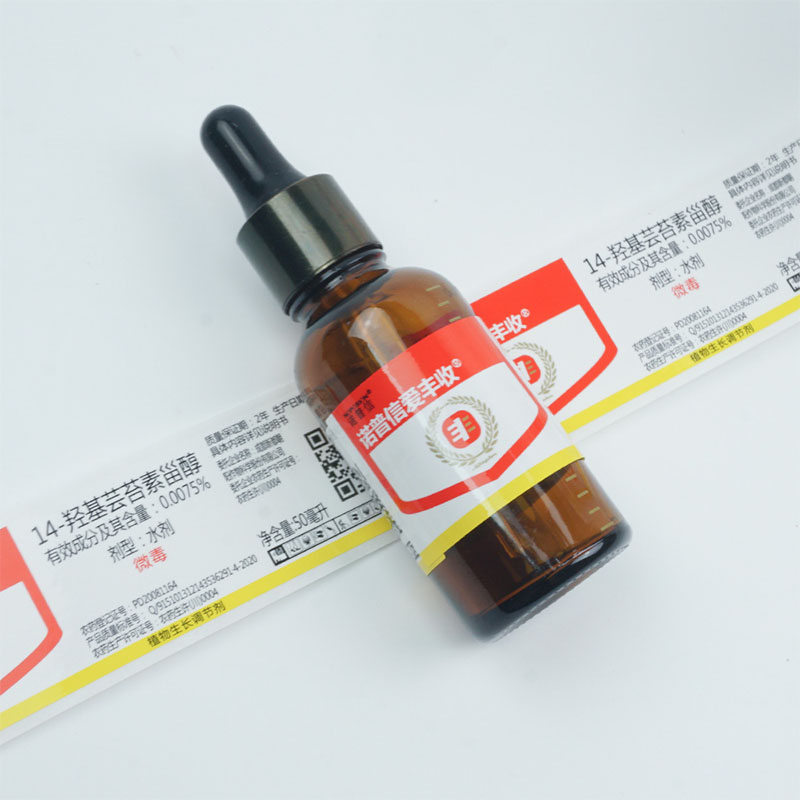
Factory custom adhesive medicine bottle packagi...
-
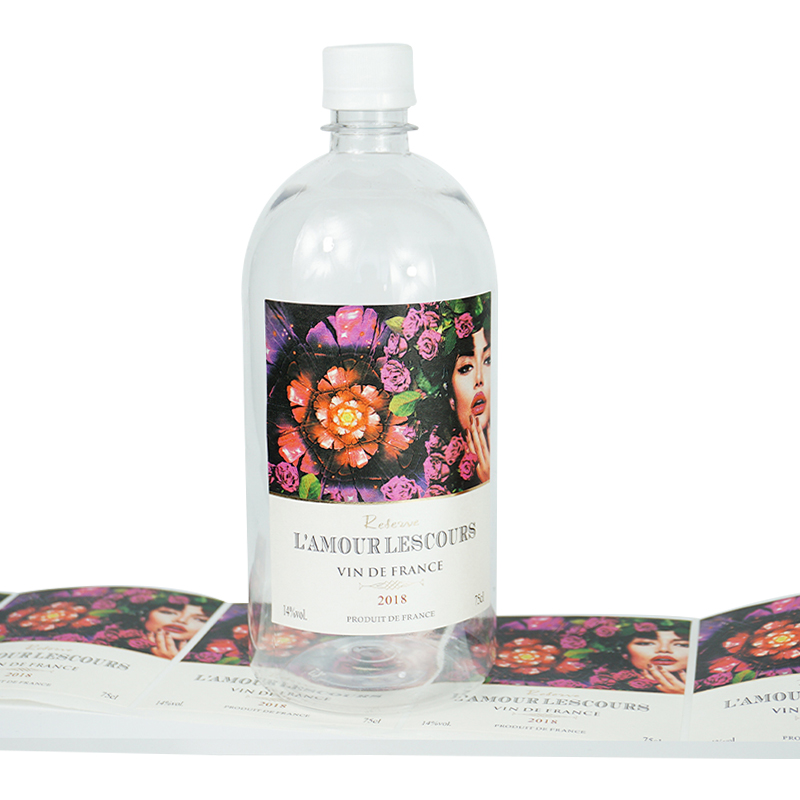
Good Quality Adhesive Waterproof Printing Clear...
-
waterproof printing glossy medical package pill...
-
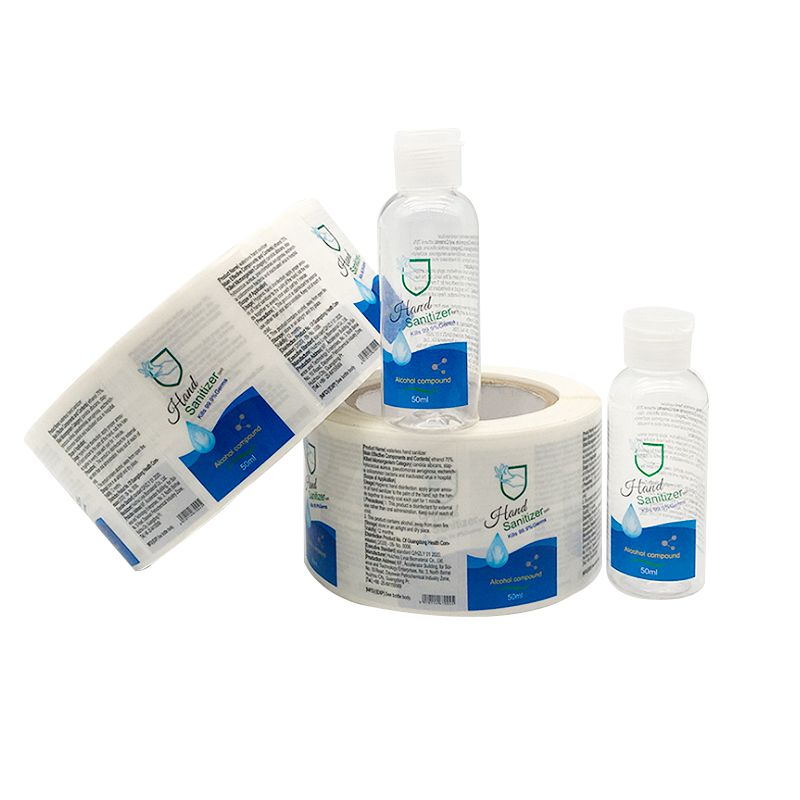
Custom Adhesive Clear Transparent Vinyl Sticker...
-
OEM Vinyl Waterproof Skincare Stamped Bottle La...