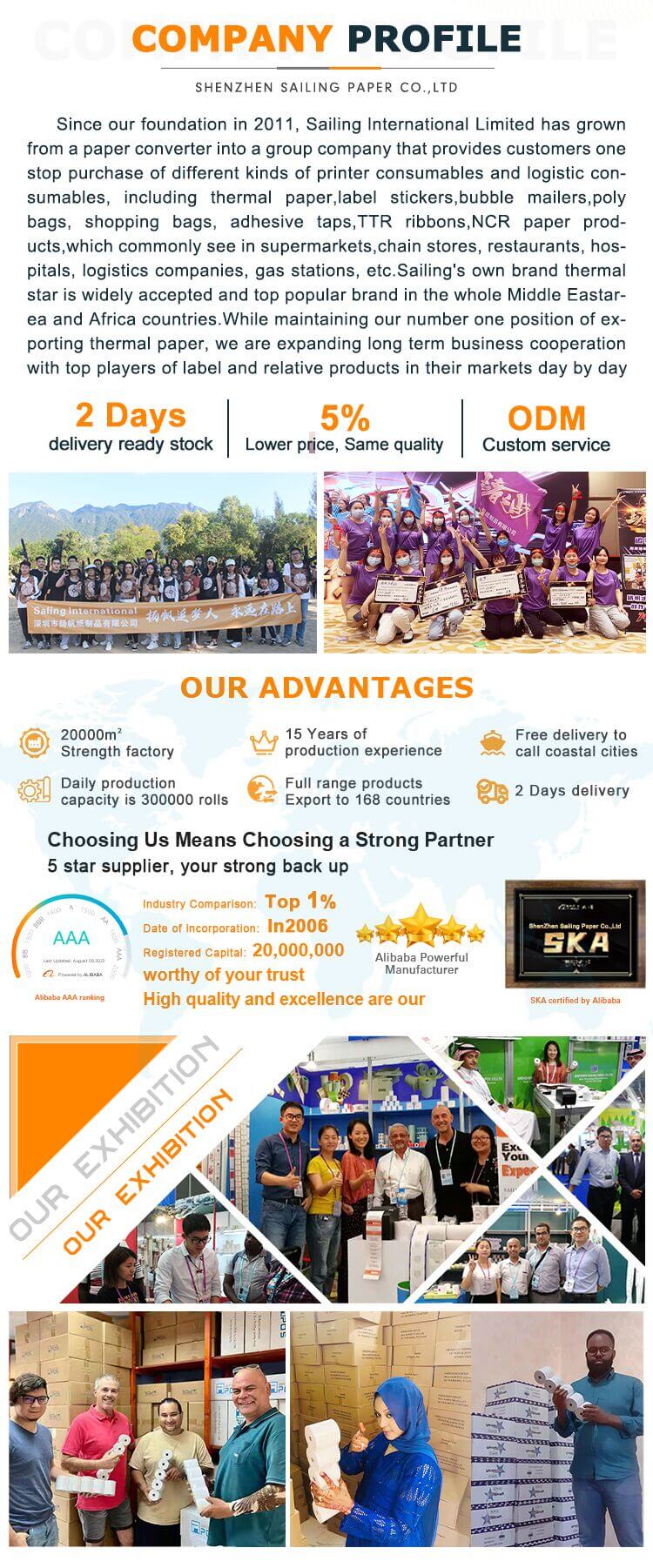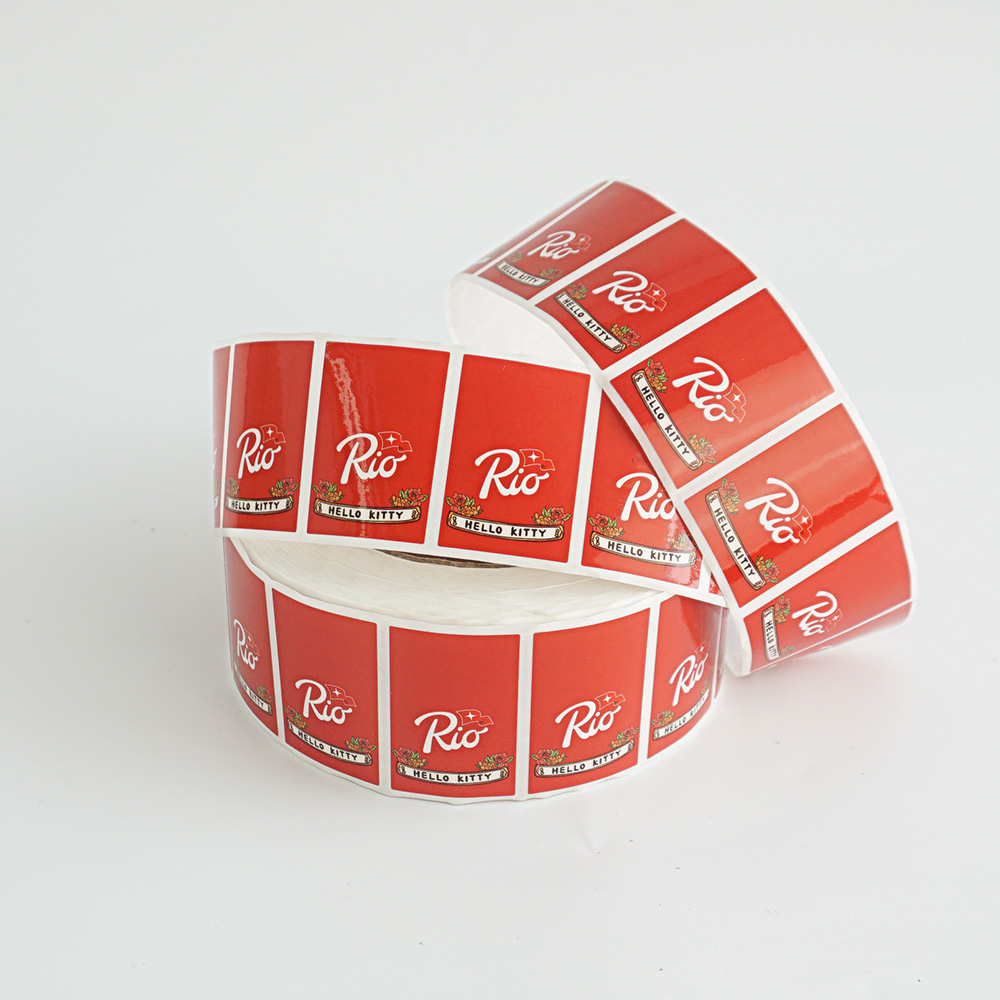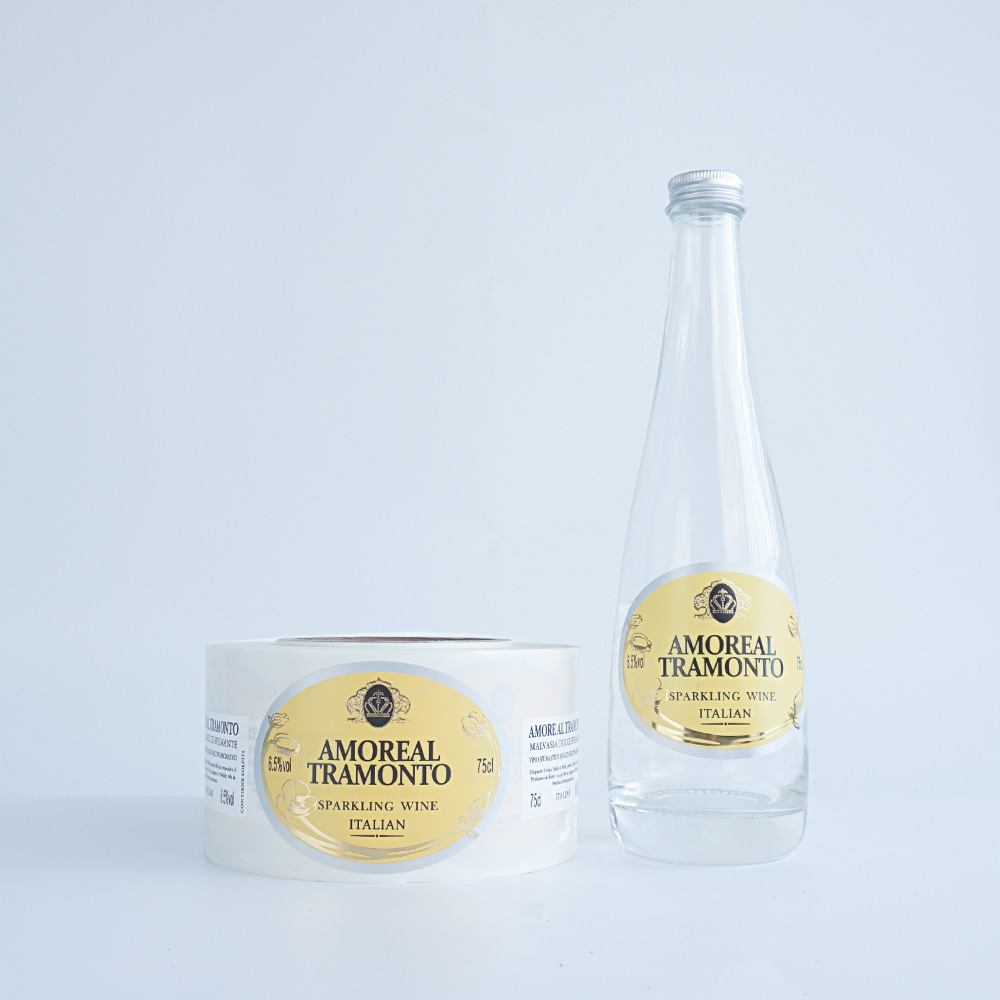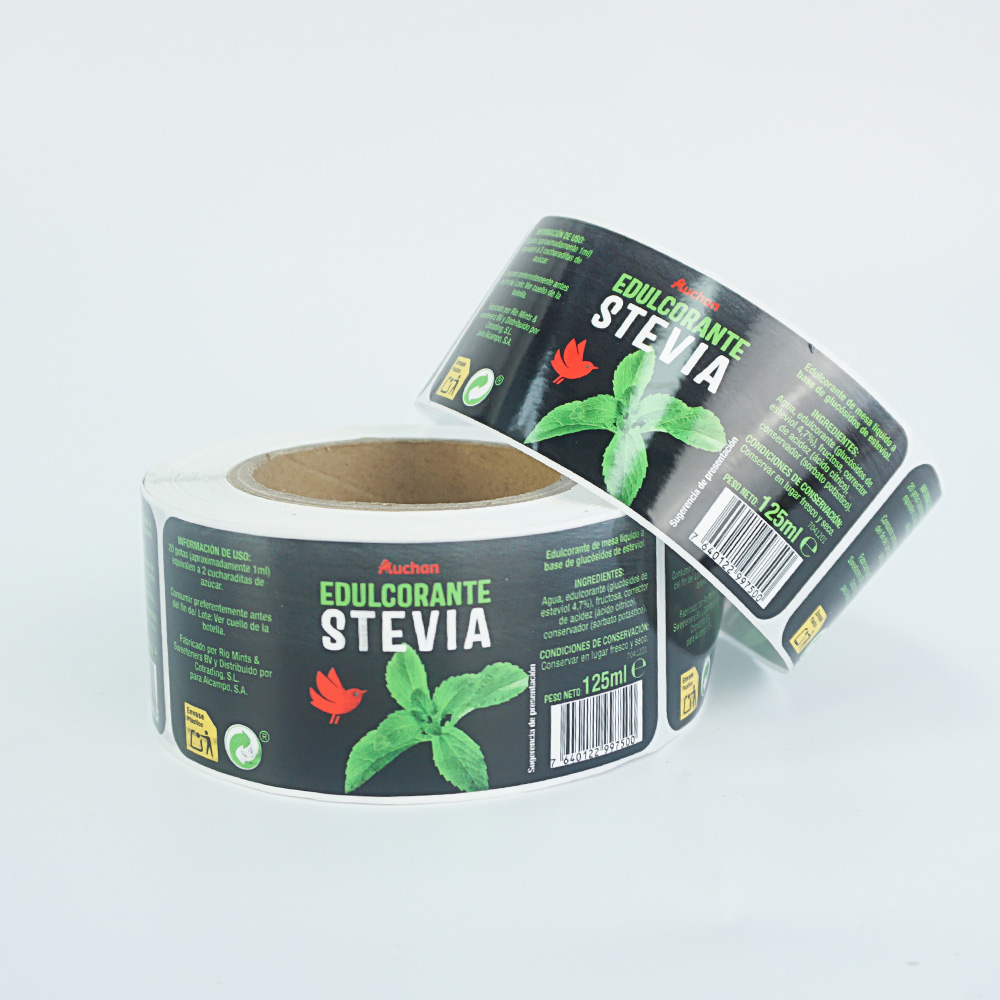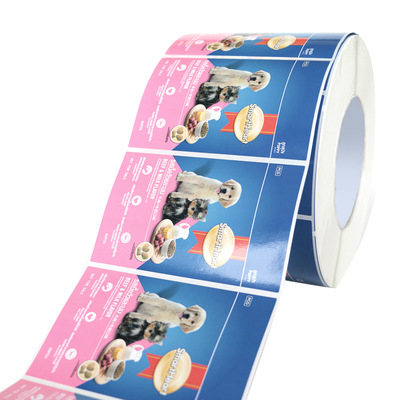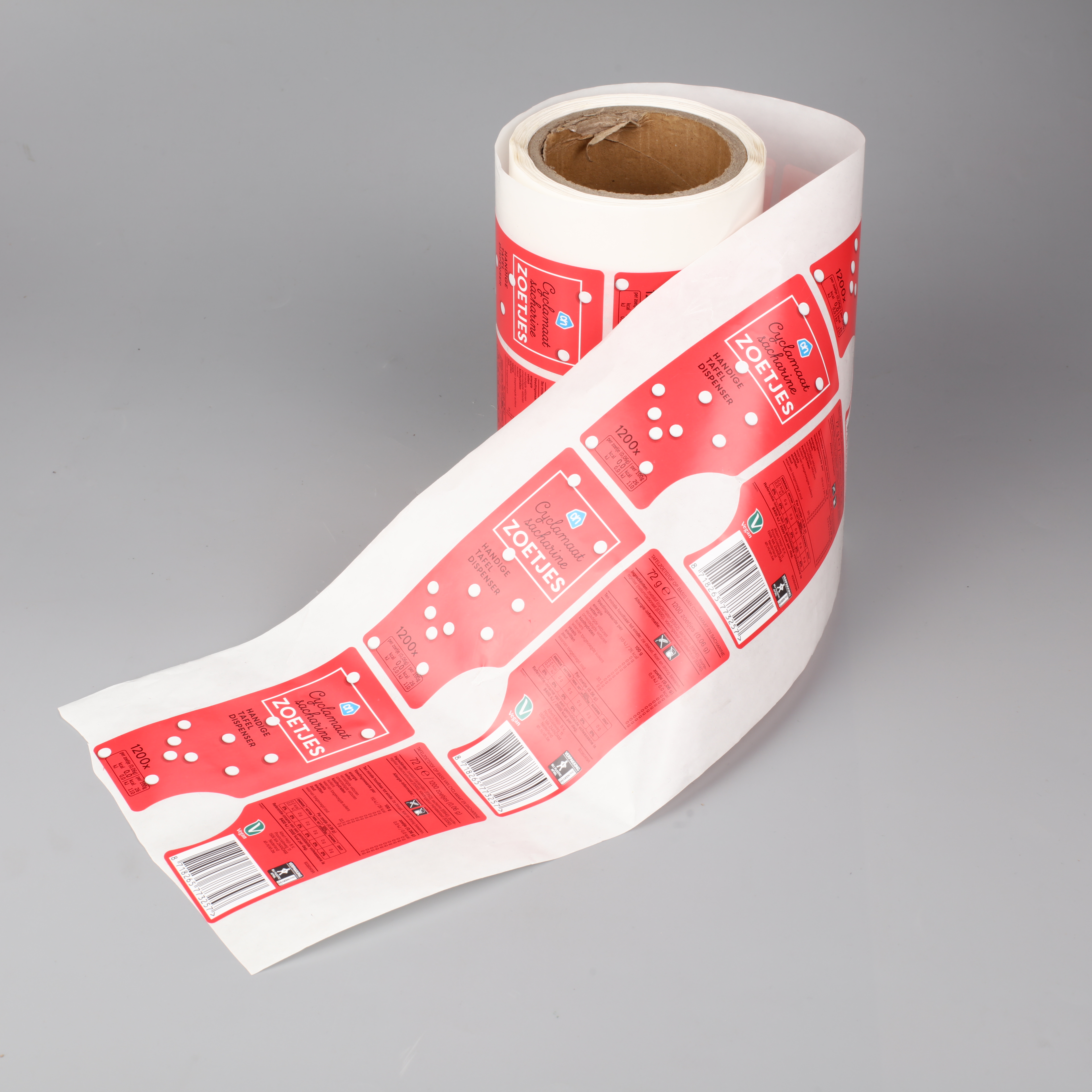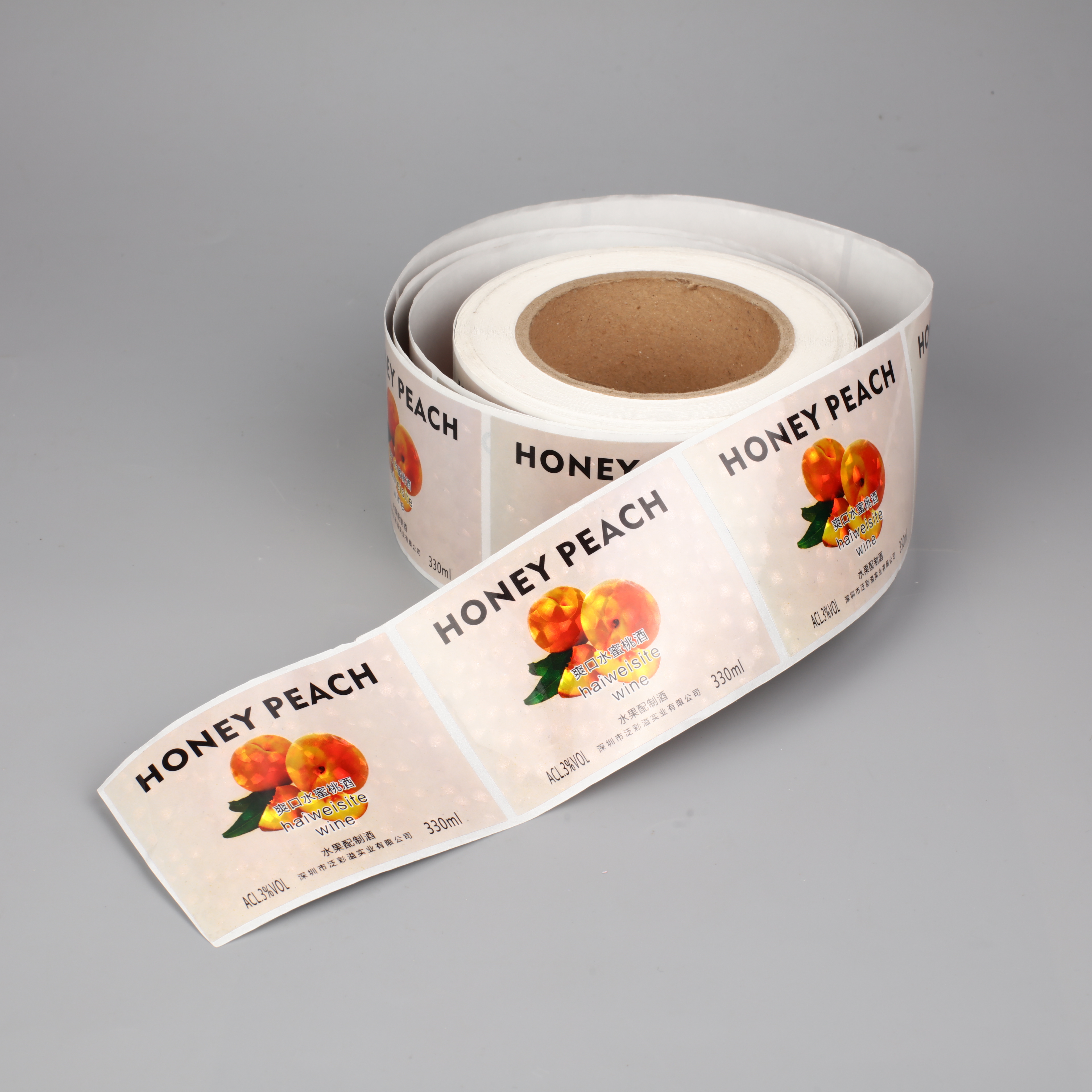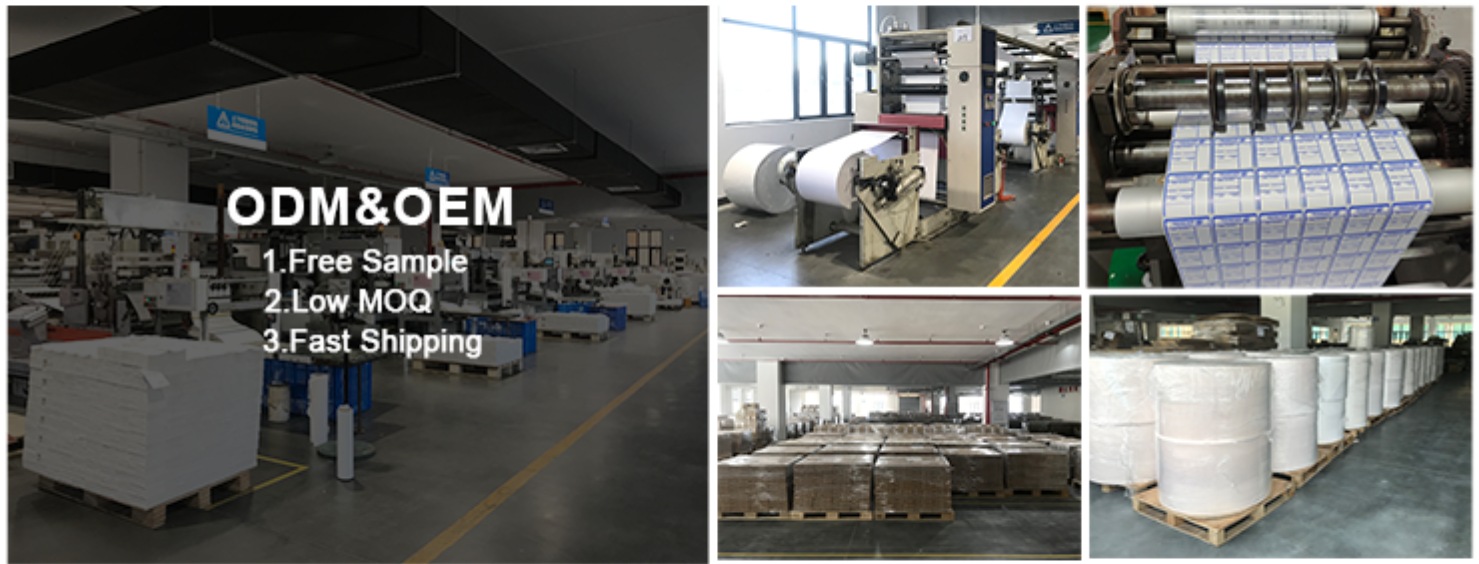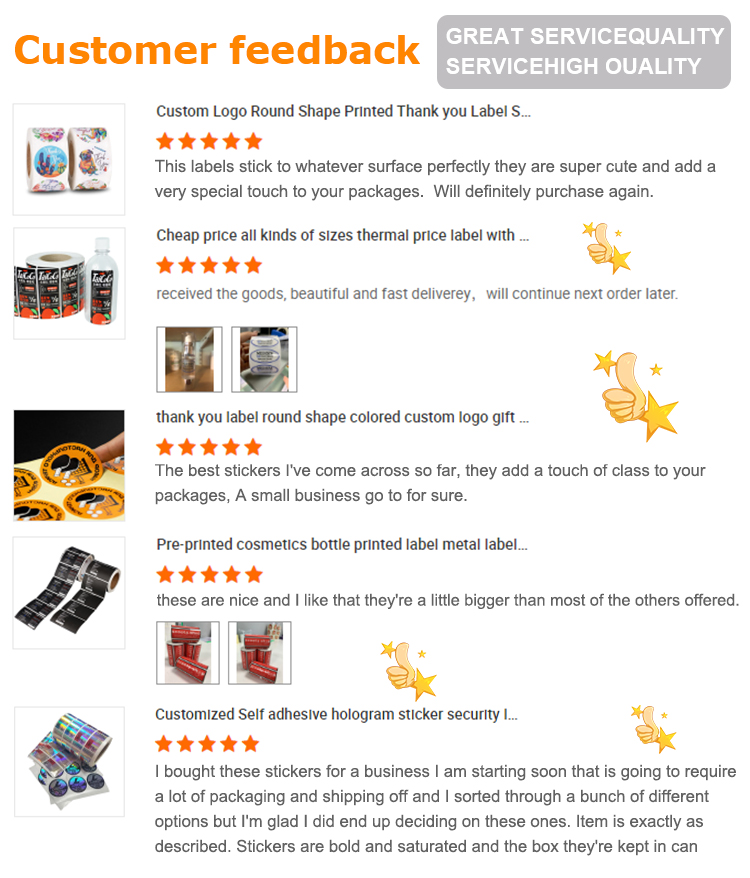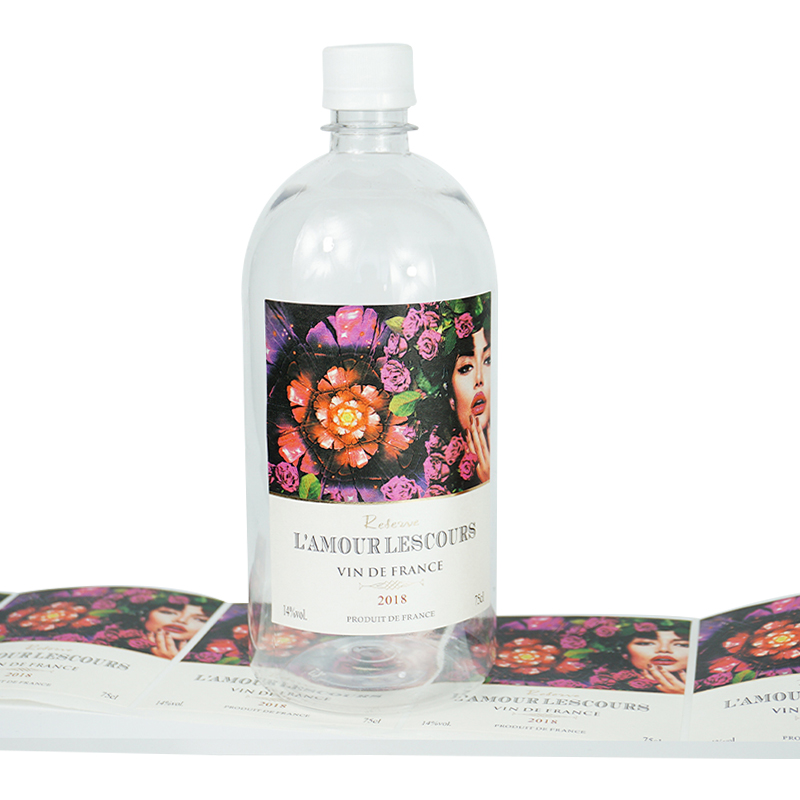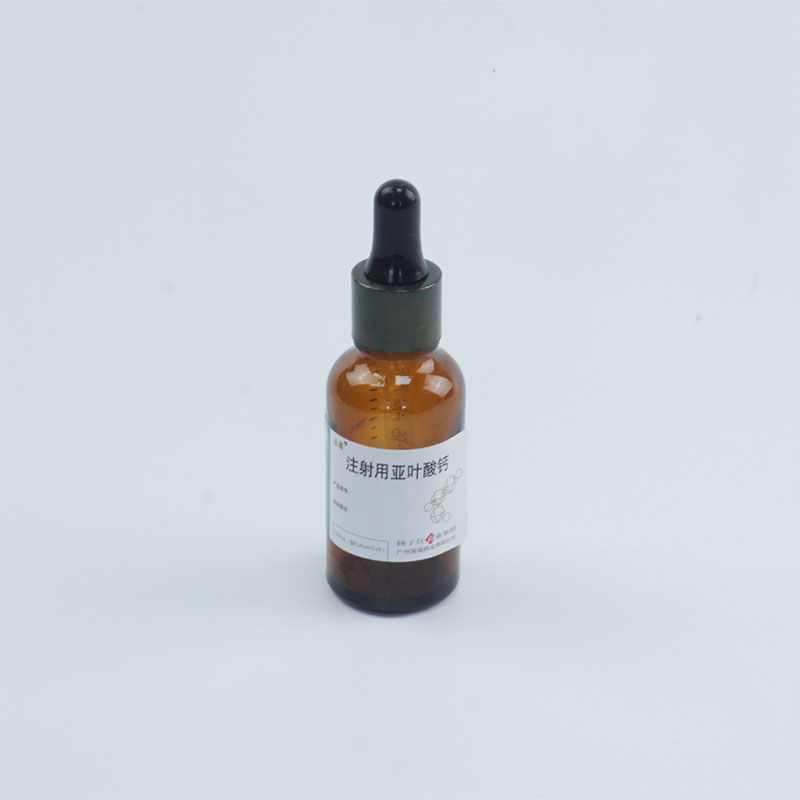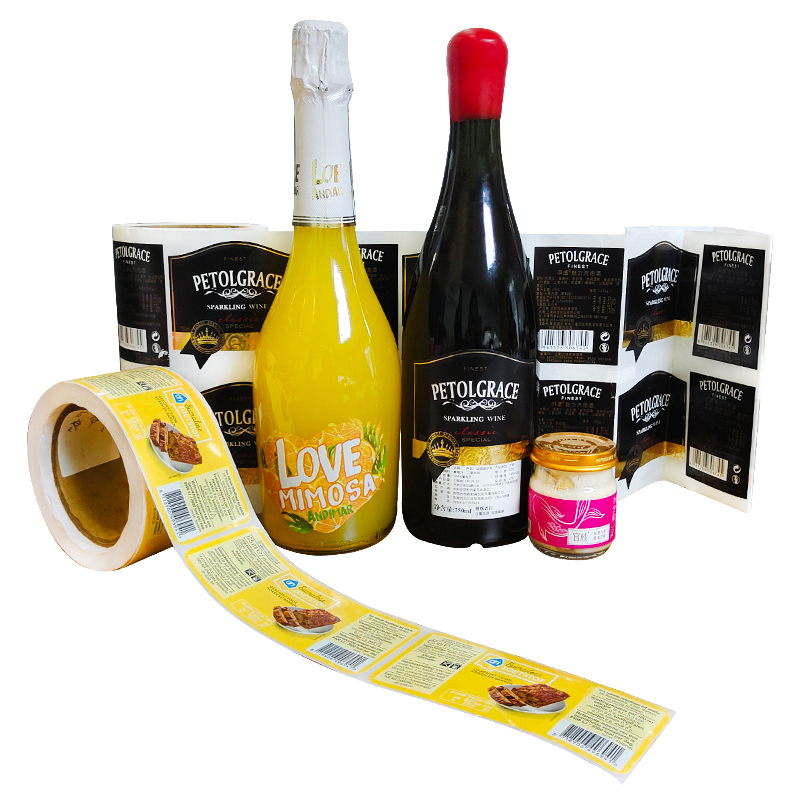
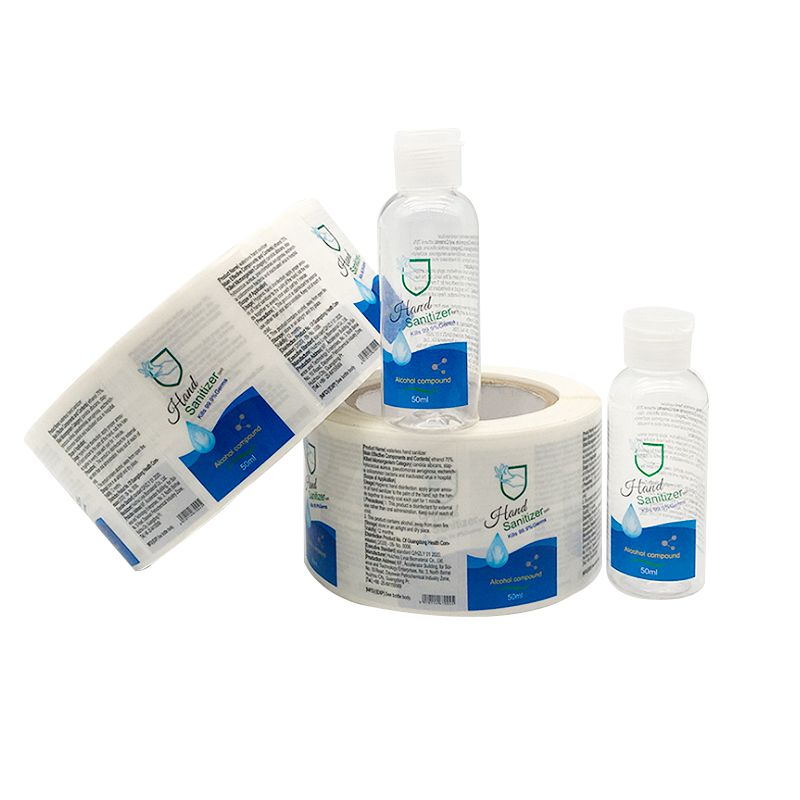
Custom Adhesive Clear Transparent Vinyl Sticker Bottle Label
Product Overview
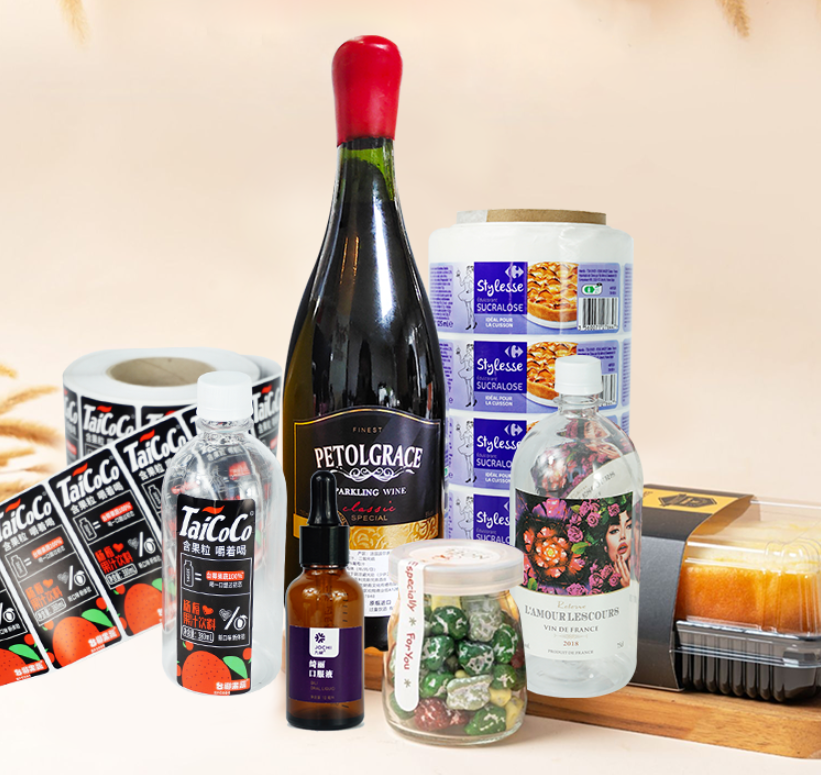
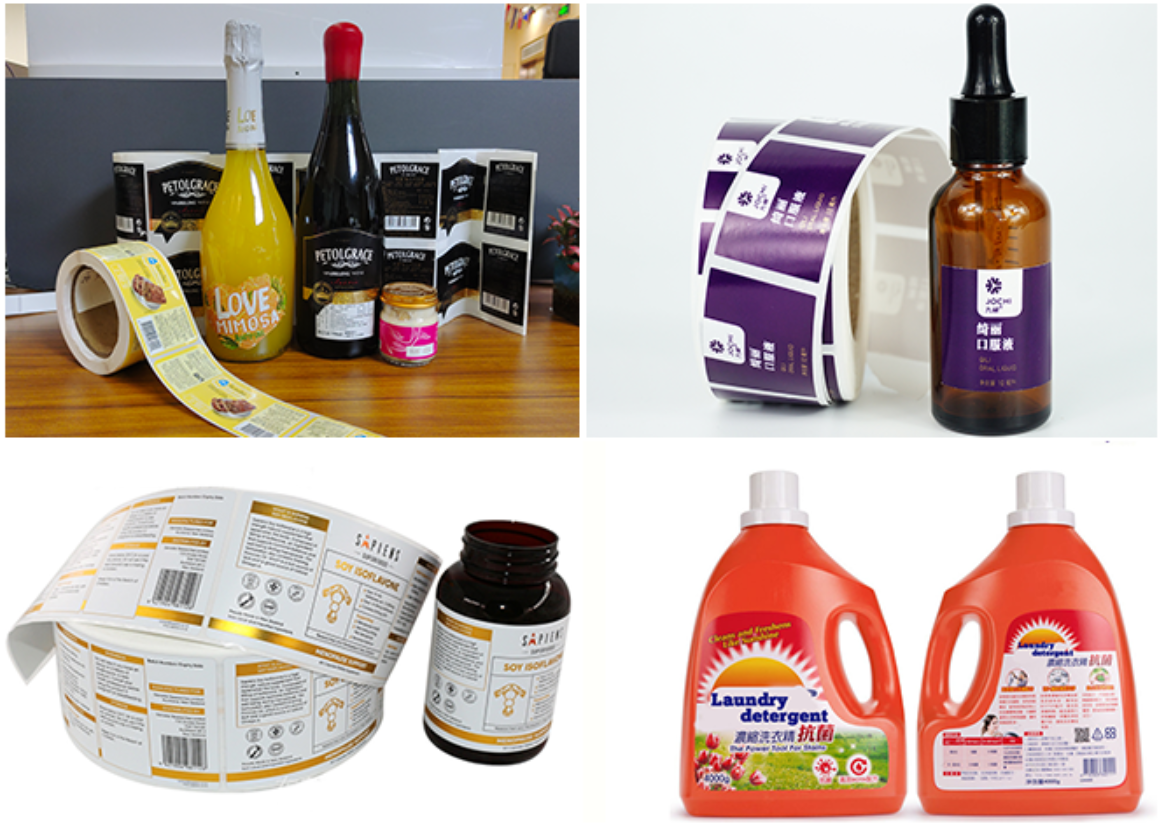
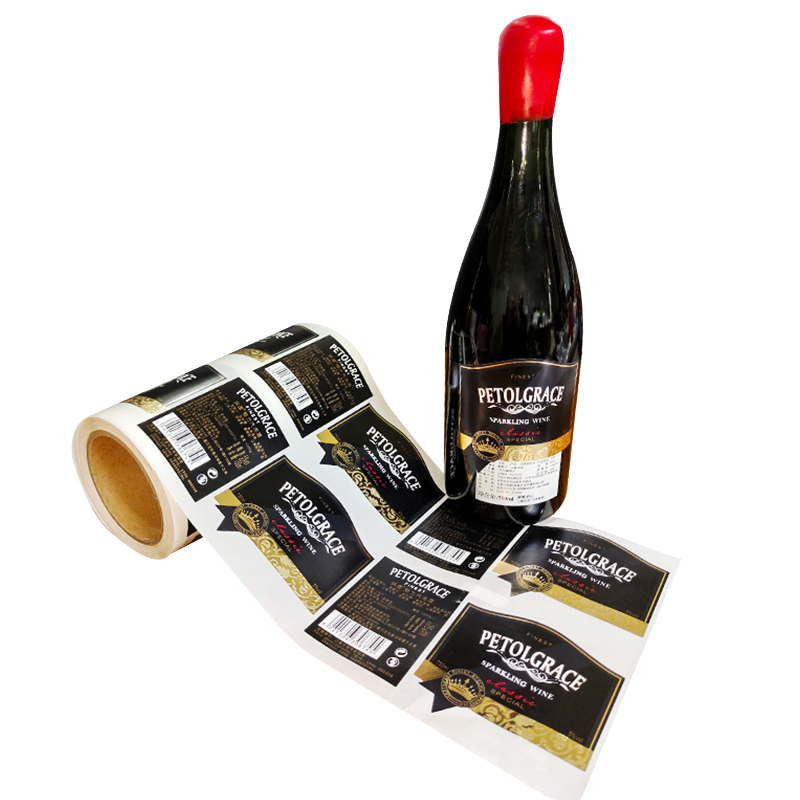
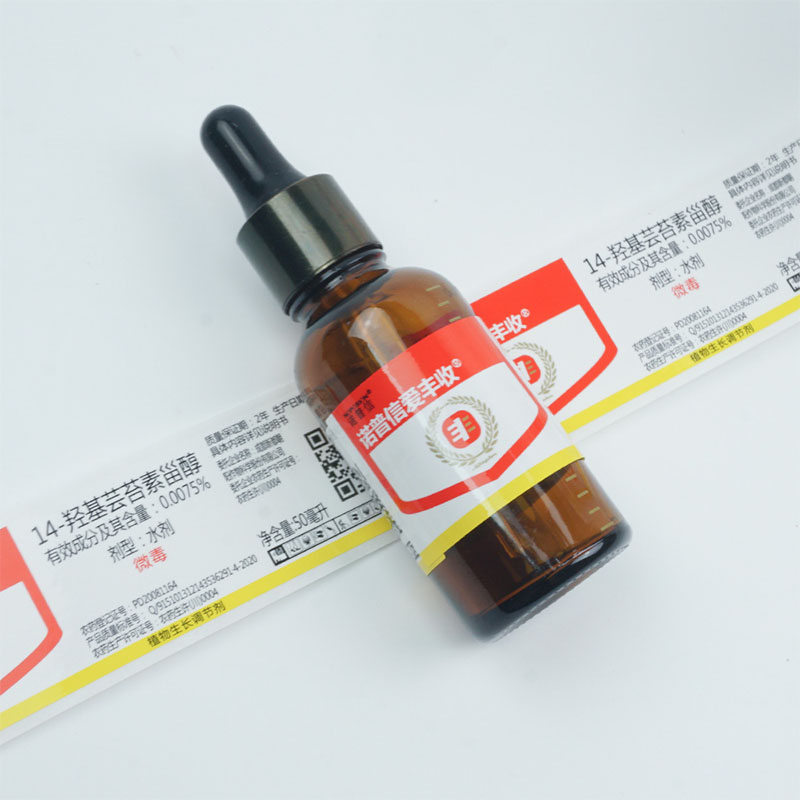
Sailing Paper provides customized self-adhesive bottle labels for beverages, cosmetics, personal-care products, food containers, supplements and other branded bottle packaging. Each custom bottle label can be developed according to the actual bottle material, shape, storage environment, branding requirements and labeling process.
Customers can customize the facestock, adhesive, label size, die-cut shape, printing, surface finish and roll configuration. Whether the label on the bottle is primarily used for branding, product information, barcode identification or decorative packaging, the complete specification can be matched to glass, PET, HDPE, PP and other common container surfaces.
From standard product labels to premium personalized labels for bottles, the objective is to create a label that combines visual presentation, reliable adhesion and practical production performance.
Custom Bottle Label Specifications
| Item | Available Options |
| Product Type | Custom Self-Adhesive Bottle Labels |
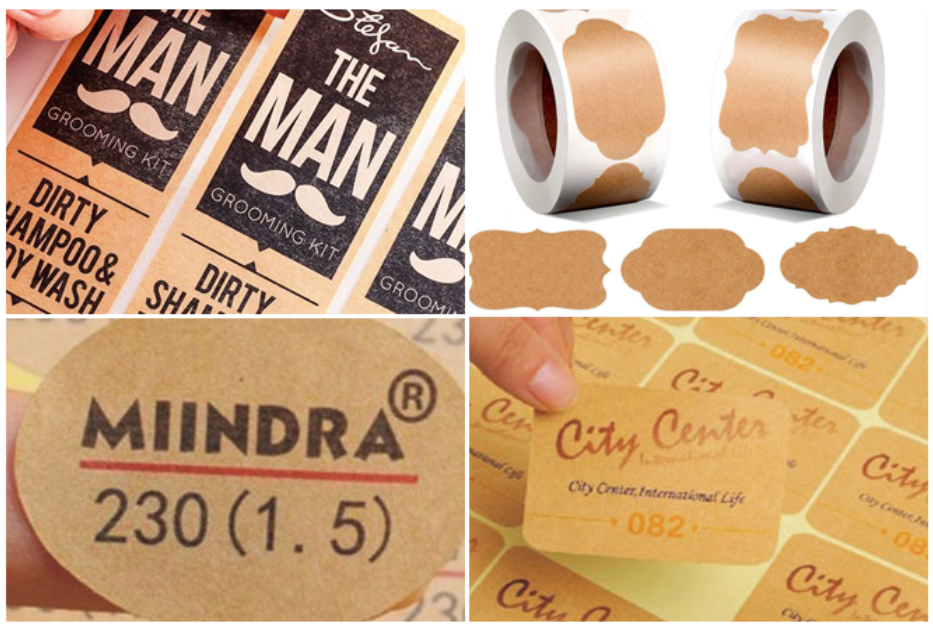
| Material | Coated Paper / Synthetic Paper / BOPP / PET / Kraft / Specialty Materials |
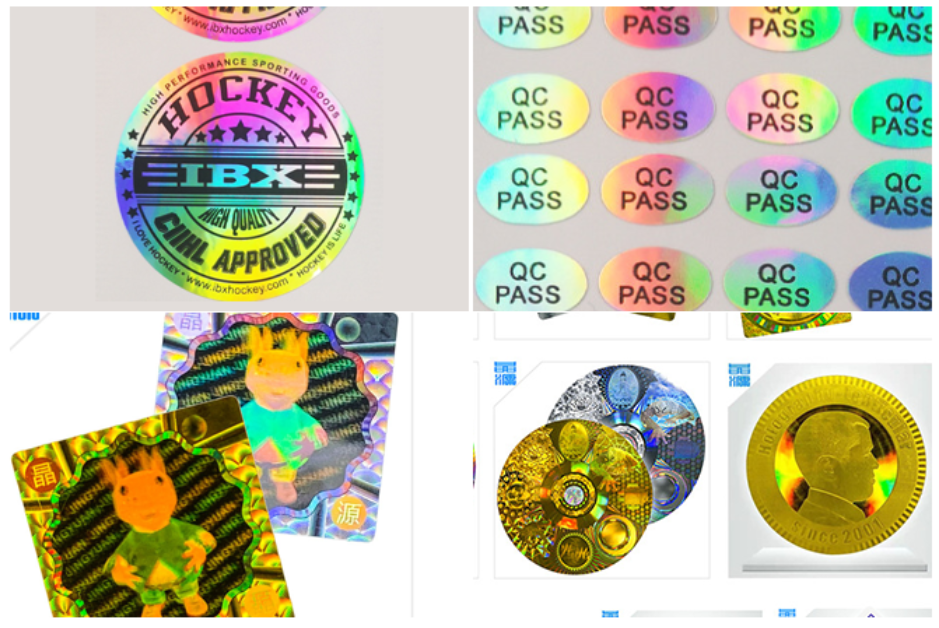
| Surface | White / Clear / Glossy / Matte / Metallic |
| Adhesive | Permanent / Removable / Application-Specific |
| Size | Fully Customized |
| Shape | Rectangle / Round / Oval / Custom Die-Cut |
| Printing | Logo / Text / Full Color / Barcode / QR Code |
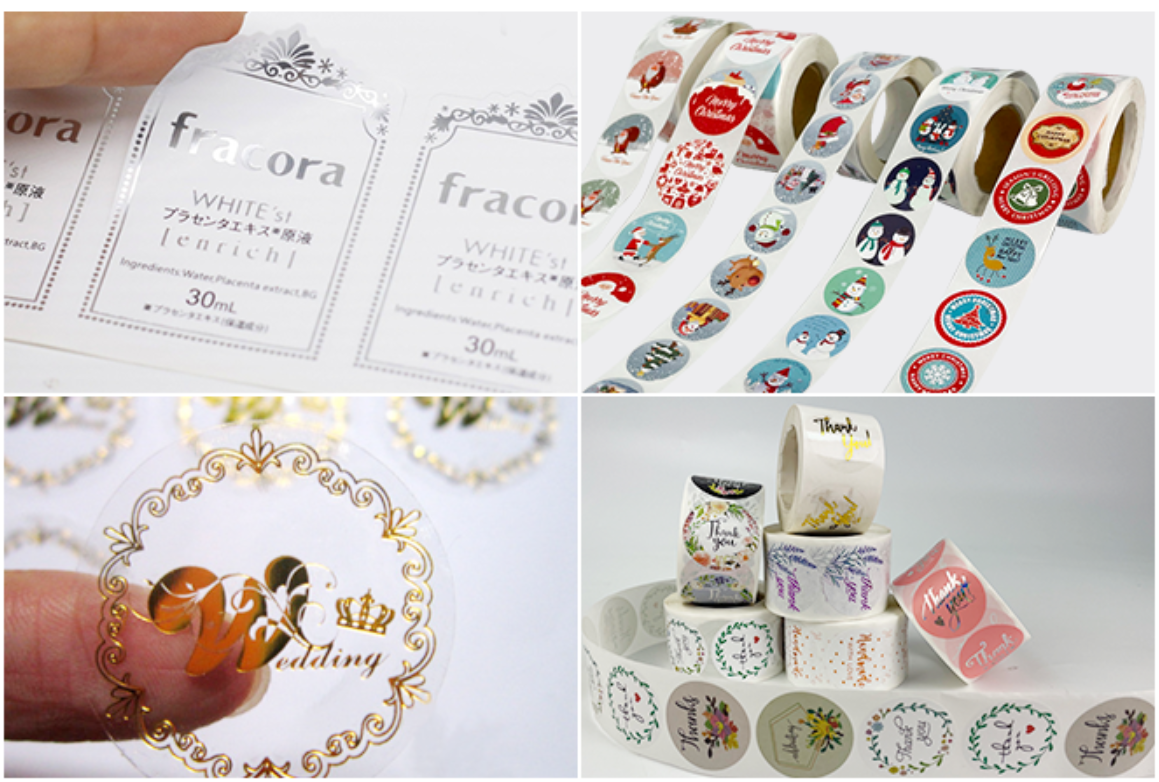
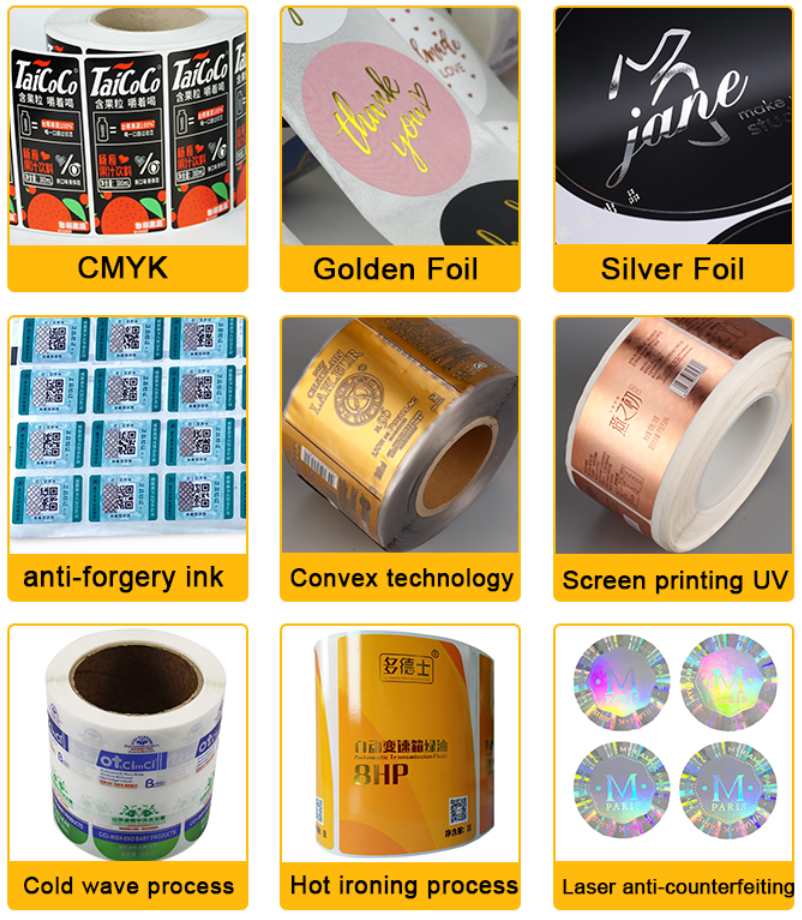
| Finishing | Lamination / Foil / Embossing / Spot UV / Custom |
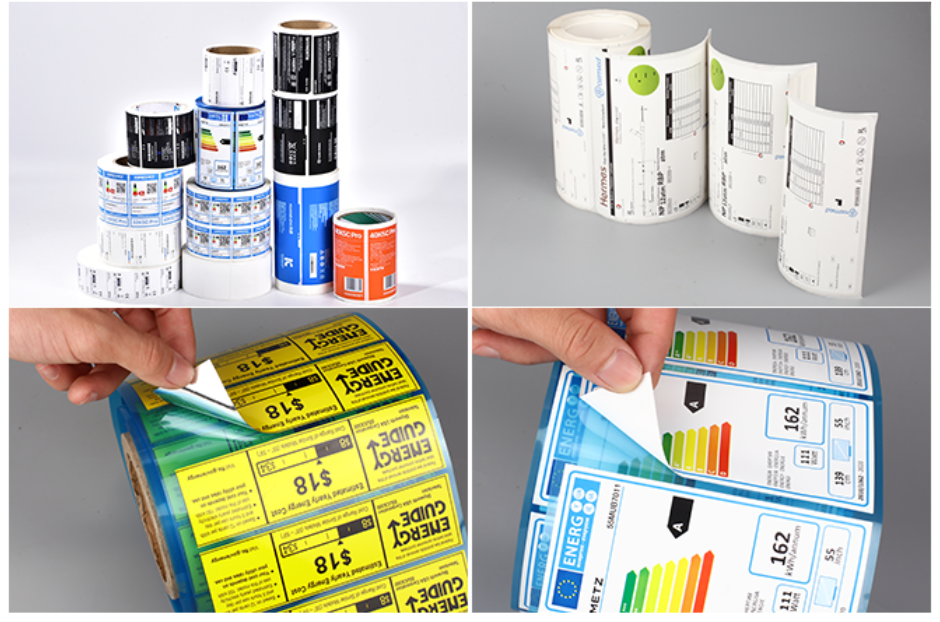
| Finished Format | Roll / Individual Die-Cut / Custom |
| Bottle Surface | Glass / PET / HDPE / PP / Other Containers |
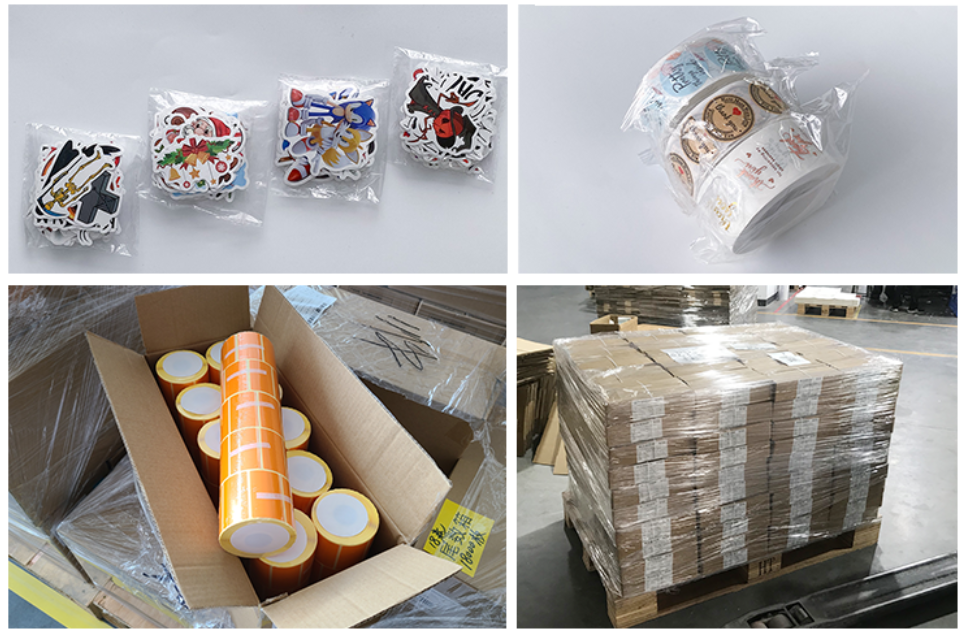
| Packaging | Roll Packing / Carton / OEM Packaging |
The final label for bottles should be configured according to the container, application environment, artwork and labeling method rather than relying on one standard construction.
Bottle Label Construction
A bottle label is more than a printed sticker. Its final performance depends on several components working together.
1.Facestock
The facestock forms the visible surface of the label and carries the brand logo, product name, artwork and required information.
Paper, synthetic film and transparent film can create very different visual and functional results.
2.Printing and Surface Finish
Printing determines the main visual appearance, while lamination, foil, embossing or UV finishing can be used to highlight selected brand elements.
3.Adhesive
The adhesive determines how the label bonds to glass, PET, HDPE, PP or other bottle surfaces.
4.Release Liner
The release liner supports printing, die-cutting, storage and label dispensing before application.
For professional labeling for bottles, these components should be selected as one complete system instead of independently.
Material Selection for Different Bottle Applications
Different sticker labels for bottles require different materials according to packaging appearance, moisture exposure, durability and budget.
1.Coated Paper
Coated paper is suitable for products mainly used in dry indoor environments where clear printing and cost efficiency are important.
It can be used for food packaging, promotional products and many everyday bottle applications.
2.Synthetic Paper
Synthetic paper provides greater resistance to moisture and handling than conventional paper and is suitable for products requiring additional durability.
3.Clear BOPP / PET
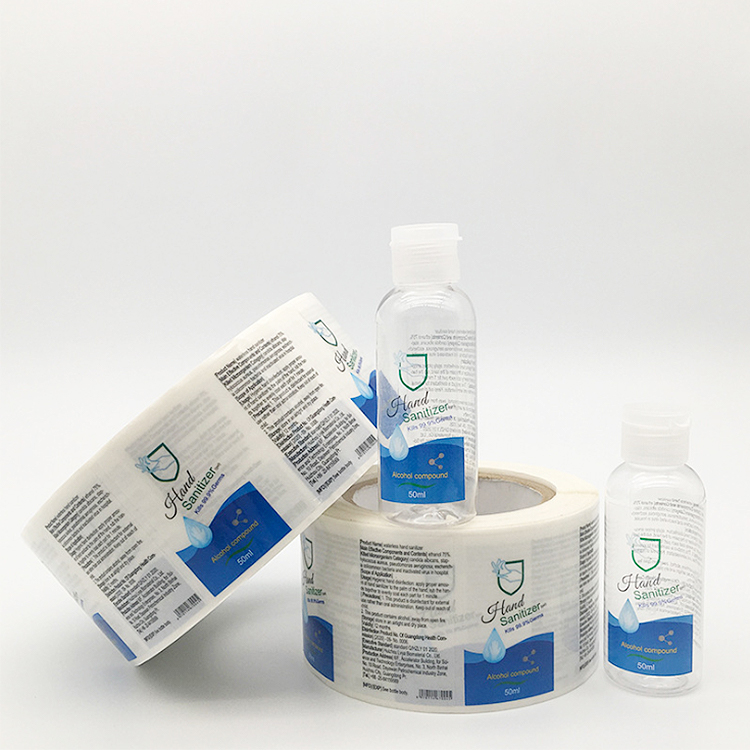
Clear film is suitable for brands that want the bottle, liquid or container design to remain visible.
These transparent labels for bottles can create a clean and visually integrated packaging appearance.
4.White Synthetic Film
White film provides an opaque printable surface while maintaining the moisture-resistant characteristics of synthetic material.
5.Kraft and Specialty Materials
Kraft paper, metallic materials and other specialty facestocks can be selected for products requiring a more distinctive visual identity.
When selecting sticker paper for bottle labels, buyers should consider both appearance and the actual product environment.
White vs. Transparent Bottle Labels
White and clear bottle labels create different packaging effects.
1.White Labels
White materials provide a consistent opaque background and are suitable when the design requires:
①Strong color reproduction
②Dense product information
③Clear barcodes
④High visual contrast
⑤Application on dark or colored bottles
2.Clear Labels
Clear materials allow the bottle itself to remain visible and are suitable for:
①Transparent bottles
②Cosmetics
③Skincare
④Beverages
⑤Personal-care products
⑥Minimalist packaging
For transparent labels for bottles, artwork contrast and bottle color should be considered together because the final visual result depends partly on what is visible behind the label.
Creating a Clean “No-Label” Look
Transparent film can create an effect in which the printed information appears to sit directly on the bottle.
To achieve a cleaner result, the label design should consider:
1.Bottle transparency
2.Bottle color
3.Liquid color
4.Adhesive clarity
5.White ink
6.Artwork contrast
7.Label-edge visibility
8.Bottle-surface cleanliness
White ink can be printed beneath selected areas when stronger opacity or color contrast is required.
This approach is especially suitable for cosmetics, skincare and beverage products where the packaging itself contributes to the brand image.
Matching the Label to Different Bottle Surfaces
Material and adhesive performance can vary between different bottle substrates.
1.Glass Bottles
Glass usually provides a relatively smooth surface, but water, oil, condensation and surface contamination can still influence adhesion.
2.PET Bottles
PET is widely used in beverage and personal-care packaging. Adhesive and facestock should be selected according to actual storage and handling conditions.
3.HDPE and PP Bottles
These plastics have different surface characteristics from glass and PET and may require more careful adhesive selection.
4.Coated or Decorated Bottles
Painted, frosted, coated or specially treated bottles should ideally be evaluated using the actual packaging surface.
For new projects, testing the label on the bottle before bulk production helps reduce the risk of lifting, wrinkling or poor adhesion.
Bottle Shape and Label Fit
Bottle geometry directly influences how the finished label applies and looks.
Important factors include:
①Bottle diameter
②Circumference
③Straight or tapered sidewalls
④Curvature
⑤Available labeling height
⑥Bottle shoulder
⑦Bottom curvature
⑧Label gap or overlap
⑨Manual or automatic application
1.Straight-Sided Bottles
Rectangular labels are generally easier to apply to cylindrical bottles with a consistent diameter.
2.Tapered Bottles
A customized die line may be required to reduce wrinkling and improve alignment.
3.Irregular or Highly Curved Bottles
Smaller labels, flexible films or custom die-cut shapes may provide a better result than one large rectangular label.
This is why accurate labeling for bottles should begin with the actual bottle dimensions rather than only the desired artwork size.
How to Determine Bottle Label Size
A suitable label size should fit the usable bottle area while leaving enough room for curvature, shoulders and container edges.
Before production, buyers should consider:
①Available label-panel height
②Bottle circumference
③Front label or full-wrap design
④Required product information
⑤Barcode and QR-code space
⑥Brand visibility
⑦Gap or overlap requirements
⑧Labeling equipment
The largest possible label is not always the best solution. Proper proportions can improve both appearance and application stability.
For very small packaging, mini bottle labels should be designed specifically for the available surface rather than created by simply reducing a full-size label.
Bottle Labels Template and Artwork Preparation
A properly prepared bottle labels template helps reduce artwork changes and production delays.
The production file should normally define:
①Finished label dimensions
②Bleed area
③Safe text area
④Die-cut line
⑤Printing orientation
⑥Barcode position
⑦QR-code position
⑧White-ink areas
⑨Foil areas
⑩Spot UV areas
⑪Embossing areas
For tapered or irregular containers, artwork should follow the actual custom die line rather than a standard rectangular layout.
This is particularly important when the same brand uses several bottle sizes.
Printing and Finishing for Brand Presentation
Bottle labels can use different printing and finishing combinations according to brand positioning.
1.Full-Color Printing
Suitable for detailed illustrations, photographs, gradients and complete branded graphics.
2.Foil Stamping
Metallic details can highlight logos, borders, product names or selected design elements.
3.Embossing
Creates tactile raised details that add dimensional character to the label.
4.Spot UV
Applies localized gloss to selected areas for stronger visual contrast.
5.Glossy or Matte Lamination
Changes the overall surface appearance while helping protect printed graphics.
These finishing options can also be used to differentiate bottle personalised labels across product lines without changing the basic packaging structure.
Information Layout on the Bottle Label
A bottle label often needs to carry a large amount of information in a limited space.
A clear hierarchy makes the finished packaging easier to understand.
1.Primary Information
Usually includes:
①Brand
②Product name
③Product category
④Main visual element
2.Secondary Information
May include:
①Product description
②Flavor
③Scent
④Product variation
⑤Key product information
3.Supporting Information
Can include:
①Ingredients
②Instructions
③Barcode
④QR code
⑤Batch information
⑥Manufacturer information
For business labels for bottles, maintaining the same information structure across several SKUs can create a more consistent brand identity.
Mini Bottle Label Design
Mini bottle labels are suitable for small-volume containers such as:
1.Cosmetic samples
2.Travel-size products
3.Essential oils
4.Small beverage bottles
5.Gift sets
6.Promotional samples
7.Small specialty containers
Because the available space is limited, priority should be given to:
1.Clear brand recognition
2.Readable product name
3.Essential information
4.Barcode or QR-code readability
5.Accurate die-cutting
6.Stable edge adhesion
Small labels should usually use simplified artwork rather than a scaled-down version of a large bottle label.
Bottle Labels for Moisture, Refrigeration and Condensation
Beverage and refrigerated products may expose labels to moisture, lower temperatures and condensation.
In these environments, the complete label construction should consider:
1.Facestock
2.Adhesive
3.Printing system
4.Surface finish
5.Application temperature
6.Refrigerated storage
7.Condensation
8.Handling conditions
Synthetic films may be considered where greater moisture resistance is required than standard paper labels.
For products exposed to changing environmental conditions, testing the final label on the actual bottle is recommended before bulk production.
Barcode and QR Code Integration
Bottle labels often need to combine consumer-facing branding with machine-readable product information.
Barcode and QR-code placement should consider:
1.Print contrast
2.Code dimensions
3.Bottle curvature
4.Surface reflectivity
5.Distance from the die-cut edge
6.Printing quality
7.Scanning direction
Highly curved surfaces can reduce barcode readability, so codes should preferably be positioned on a relatively stable scanning area.
For e-commerce products, including products using amazon bottle labels or other marketplace identification, the consumer bottle label and warehouse or fulfillment label may serve different purposes and can be designed separately when necessary.
Manual, Semi-Automatic and Automatic Labeling
Bottle labels should also be produced according to the customer's application process.
1.Manual Application
Suitable for small batches, customized products, promotional packaging and frequent artwork changes.
2.Semi-Automatic Application
Helps improve positioning consistency as production volume increases.
3.Automatic Labeling
Requires tighter control of:
①Roll direction
②Core diameter
③Maximum roll diameter
④Label gap
⑤Liner stability
⑥Die-cut accuracy
⑦Label dimensions
⑧Material flexibility
Customers using automatic labeling equipment can provide machine specifications before production so the roll configuration can be prepared accordingly.
Bottle Label Quality Control
Finished bottle labels can be evaluated at several stages before shipment.
1.Material
Confirm the approved facestock and adhesive construction.
2.Printing
Check graphics, text, barcode clarity and color reproduction.
3.Die-Cutting
Verify dimensions, shape and edge consistency.
4.Adhesive
Evaluate bonding on the intended packaging surface when required.
5.Roll Quality
Check winding, spacing, liner stability and overall roll condition.
6.Finished Appearance
Confirm that the finished product matches the approved artwork and label specification.
For repeat custom bottle label orders, maintaining the confirmed specification helps improve consistency between different production batches.
Multi-SKU Bottle Label Customization
Brands with several product variations can standardize the main bottle-label system while changing individual product information.
The following elements can remain consistent:
1.Material
2.Adhesive
3.Surface finish
4.Brand colors
5.Typography
6.Artwork structure
7.Roll configuration
Individual SKUs can then change:
1.Product name
2.Flavor
3.Scent
4.Bottle size
5.Barcode
6.Product information
7.Artwork variation
This allows brands to create multiple personalized labels for bottles while maintaining a recognizable visual identity.
Bulk Production and Wholesale Supply
For brands, distributors, packaging companies and contract manufacturers, bottle-label specifications can be standardized for bulk and repeat production.
A wholesale bottle labels project can define:
1.Material
2.Label dimensions
3.Die-cut shape
4.Adhesive
5.Printing
6.Surface finish
7.Roll direction
8.Core size
9.Labels per roll
10.SKU identification
11.Carton configuration
12.OEM packaging
For customers sourcing wholesale labels for bottles, standardizing these specifications simplifies repeat ordering and helps maintain more consistent packaging across production batches.
Cost Optimization for Bottle Label Projects
Bottle-label cost is affected by more than material selection.
Important factors include:
1.Label dimensions
2.Material
3.Printing coverage
4.Number of colors
5.Special finishing
6.Die-cut complexity
7.Order quantity
8.Labels per roll
9.Roll configuration
10.Packaging
Customers comparing cheap bottle labels should consider the complete application cost rather than only the unit price.
In many cases, better cost efficiency can be achieved by:
1.Optimizing label dimensions
2.Standardizing materials across SKUs
3.Simplifying unnecessary finishing
4.Increasing labels per roll
5.Using standardized cores
6.Consolidating similar designs
7.Planning repeat production
This can reduce cost without sacrificing the essential appearance and performance of the label.
Sample Approval Before Mass Production
For a new bottle, material or label structure, sample evaluation is recommended before bulk production.
Customers can check:
1.Label dimensions
2.Die-cut shape
3.Position on the bottle
4.Adhesive performance
5.Printing quality
6.Color appearance
7.Transparency
8.Moisture resistance
9.Edge lifting
10.Barcode / QR-code scanning
11.Overall packaging appearance
Sample approval is especially useful for transparent films, tapered bottles, mini bottle labels, refrigerated products and unusual packaging surfaces.
Once the material, adhesive, artwork and size are approved, the confirmed specification can be retained for future orders.
OEM and Repeat-Order Management
For long-term B2B bottle-label programs, approved specifications can be standardized to reduce repeated confirmation.
A repeat-order record can include:
1.Bottle type
2.Material
3.Adhesive
4.Label size
5.Die-cut reference
6.Printing method
7.Finishing
8.Artwork version
9.Roll direction
10.Core size
11.Labels per roll
12.Packaging format
This approach is particularly suitable for brands requiring multiple bottle personalised labels or distributors handling several product SKUs.
FAQ
1. What materials are available for custom bottle labels?
Sailing Paper can provide coated paper, synthetic paper, BOPP, PET, kraft and other specialty label materials. The appropriate material depends on the bottle surface, packaging appearance, moisture exposure and product environment.
2. Can you make waterproof or moisture-resistant bottle labels?
Yes. Synthetic films such as BOPP and PET can be considered for applications requiring better moisture resistance. Final performance also depends on the adhesive, printing and surface finish.
3. Can you customize labels for different bottle shapes?
Yes. Label dimensions and die-cut shapes can be customized for straight, tapered, curved and small bottles. Bottle dimensions or physical samples can help us develop a better-fitting custom bottle label.
4. Can you produce transparent labels for bottles?
Yes. We can produce transparent labels for bottles for beverage, cosmetic, skincare and other packaging. White ink can also be added to selected areas when greater opacity or color contrast is required.
5. Can printing and finishing be customized?
Yes. Logos, product information, full-color graphics, barcodes and QR codes can be printed. Finishing options can include lamination, foil stamping, embossing and spot UV according to the packaging design.
6. Can I test samples before placing a wholesale order?
Yes. Sample testing is recommended for new bottle surfaces, transparent materials, unusual bottle shapes and demanding storage environments. Once approved, the specification can be used for wholesale bottle labels and repeat production.
CTA
Custom Bottle Labels Made for Your Packaging
Need labels for glass, plastic, cosmetic, beverage or specialty bottles?
Sailing Paper supports custom materials, sizes, printing, finishing and bulk production.
Contact us for samples and a factory quotation.
| Shape | size | Specification | Weight |
| customizable | customizable | 500PCS/roll | / |