

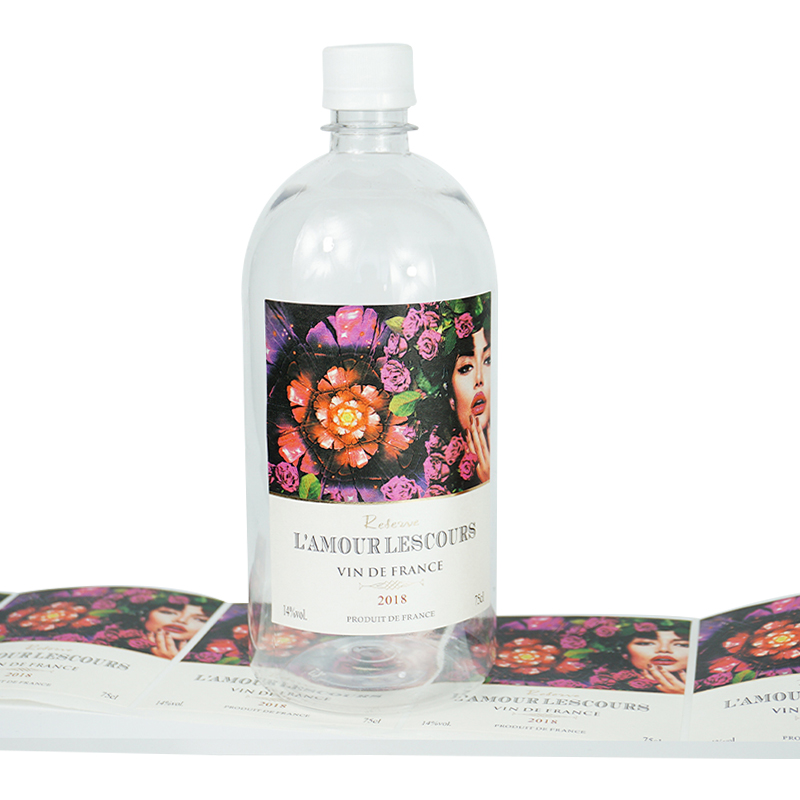
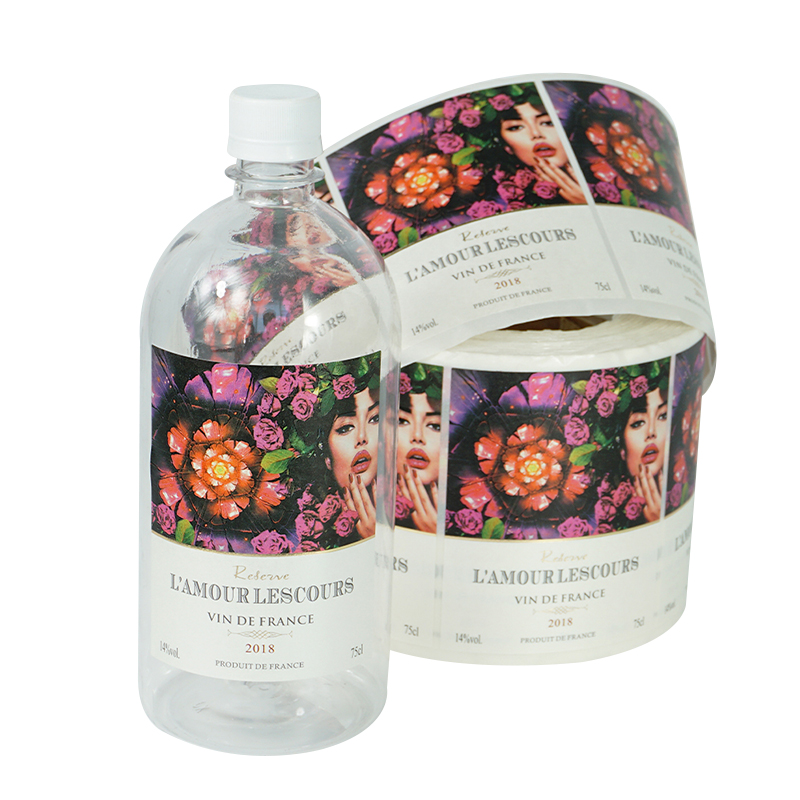
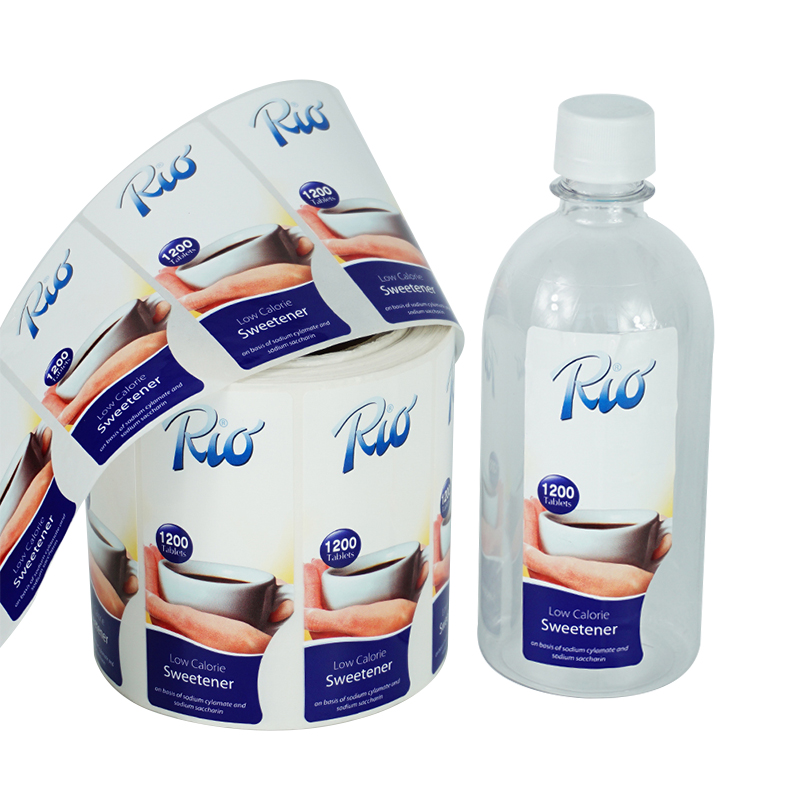
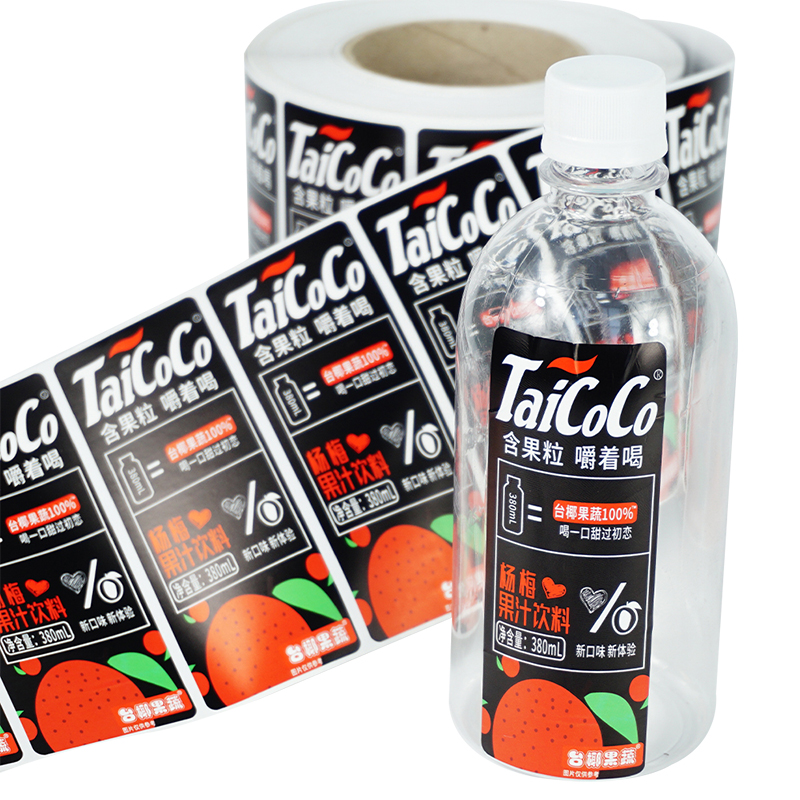
Good Quality Adhesive Waterproof Printing Clear Vinyl Sticker Bottle Label
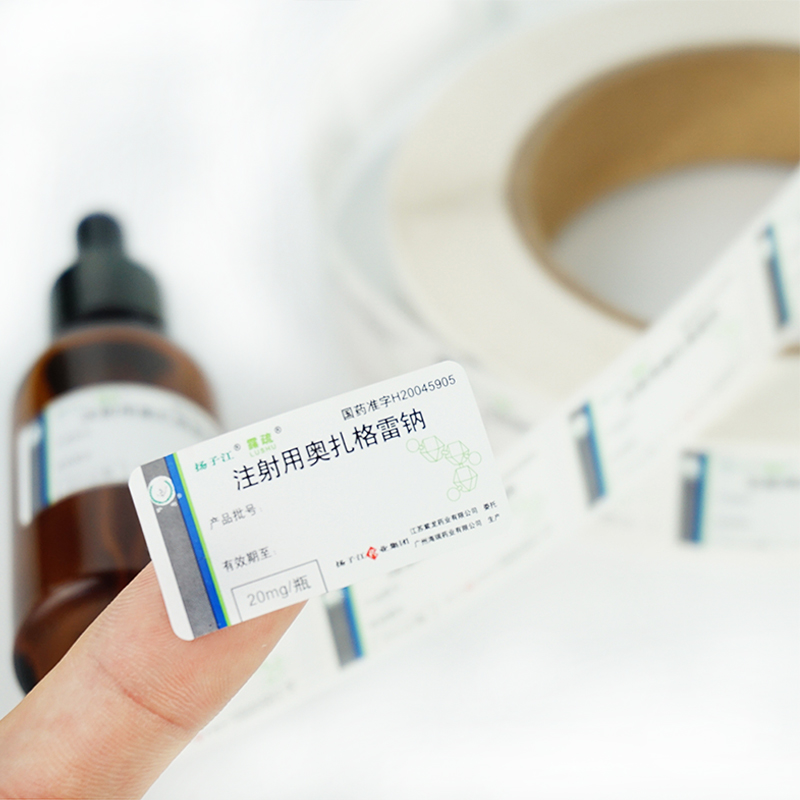
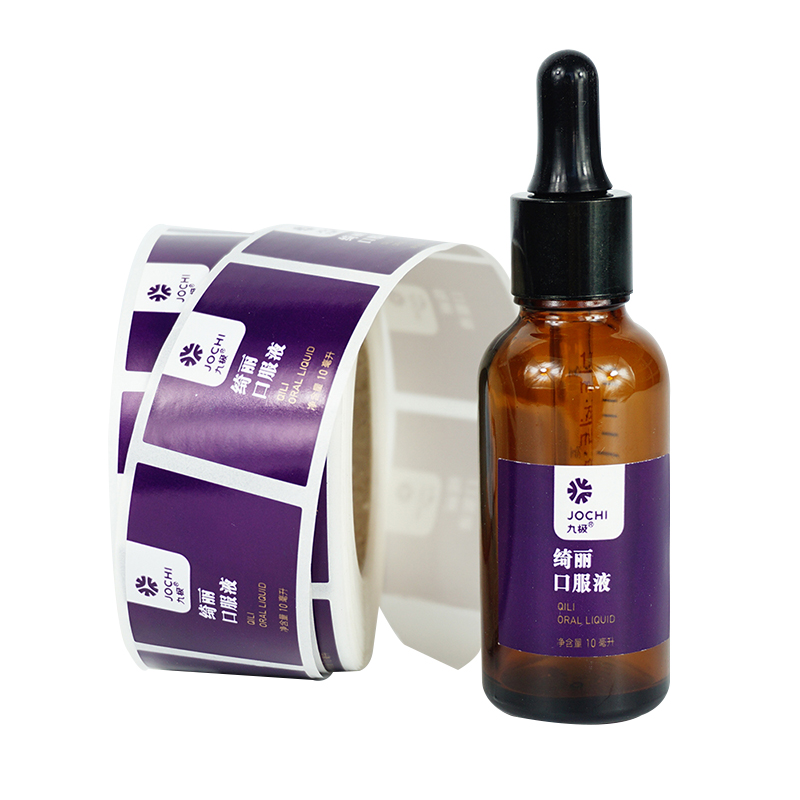
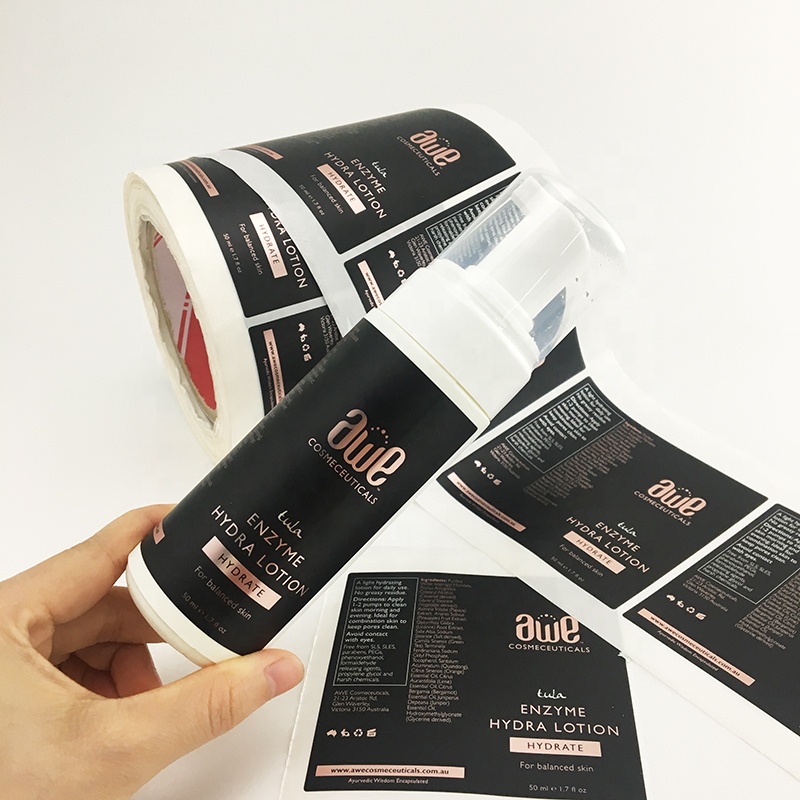
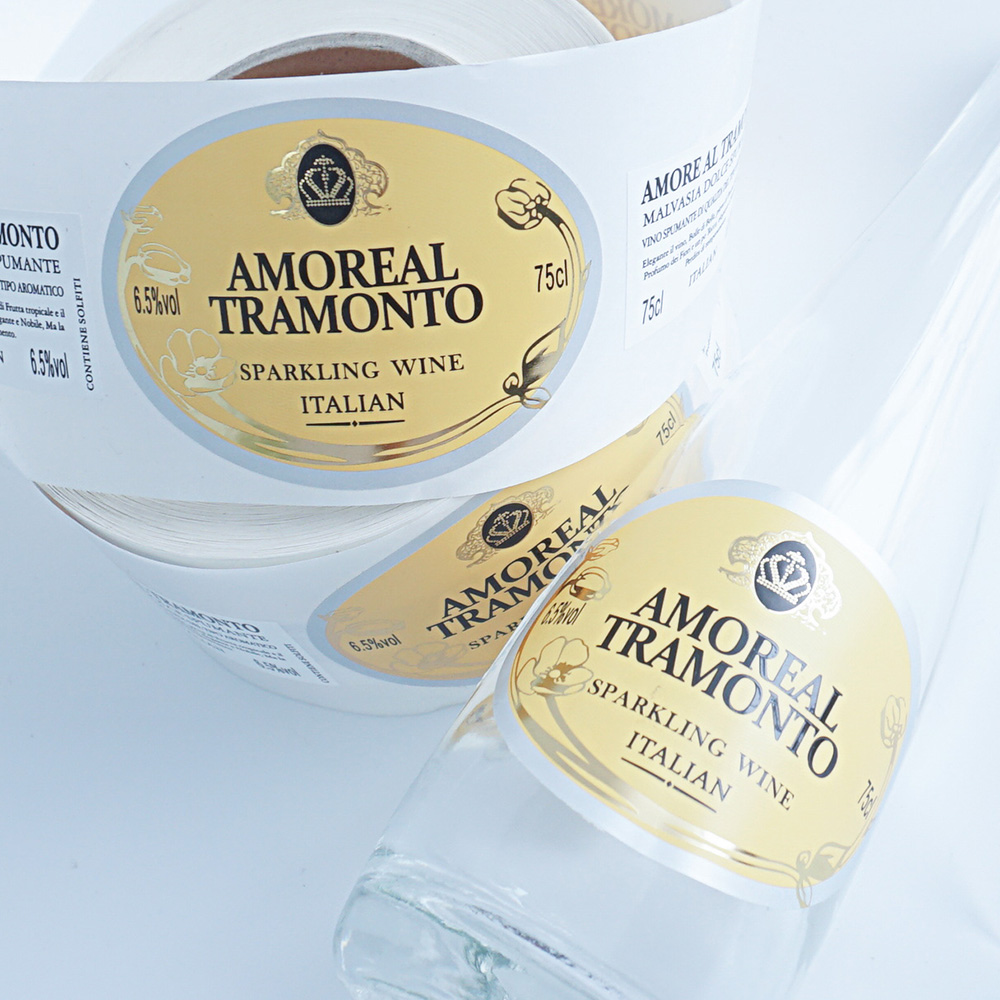
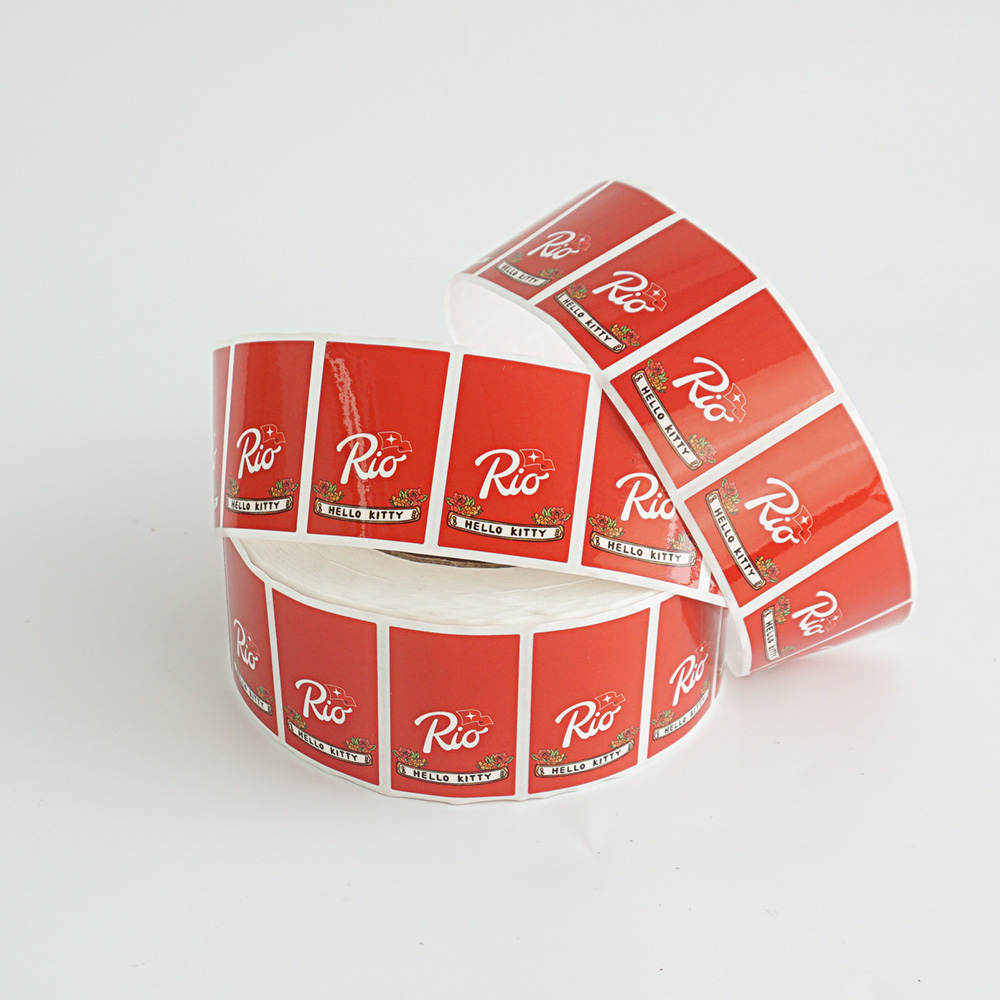
Product Overview:
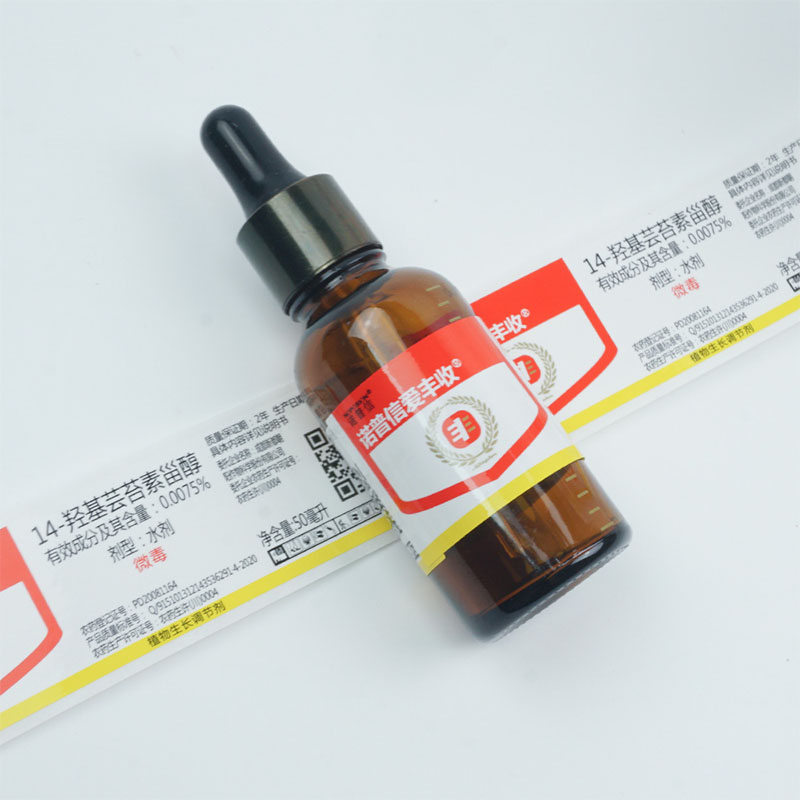
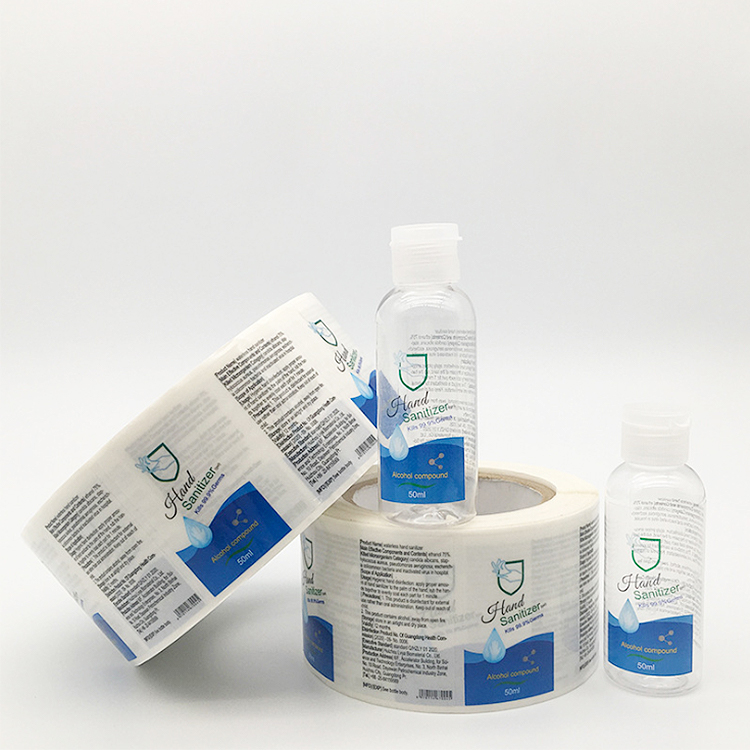
A bottle label is not only a decorative packaging element. It must communicate brand identity, display product information, support barcode scanning and remain stable on a curved container.
Sailing Paper produces custom labels for bottles used in beverages, food, cosmetics, skincare, personal care, household cleaning products, supplements and industrial liquids. Labels can be customized for glass bottles, PET containers, HDPE bottles, PP packaging and coated metal containers.
Our production options include transparent labels for a clean no-label appearance, white synthetic labels for strong color presentation, waterproof film labels for wet environments and paper labels for dry retail applications.
Each label on a bottle can be adjusted according to:
1.Bottle material and surface energy
2.Bottle diameter and curvature
3.Filling and labeling temperature
4.Refrigerated or room-temperature storage
5.Water, oil or chemical exposure
6.Manual or automatic labeling
7.Required shelf life
8.Branding and regulatory information
Customers may order finished printed labels for bottles or blank labels for local barcode, batch number, date or product information printing.
Key Benefits of Our Bottle Sticker Labels:
1.Clear and Consistent Printing
High-quality face materials and controlled printing processes help produce sharp logos, readable small text and scannable barcodes. Brand colors, product details and multilingual information can be printed according to the approved artwork.
2.Waterproof Label Options
Vinyl, PP, BOPP and PET materials are available for products exposed to water, condensation, refrigeration or frequent handling.
3.Strong Adhesive Performance
Different adhesive systems can be selected for glass, PET, HDPE, PP and other packaging surfaces. High-tack and cold-storage adhesives are available for demanding applications.
4.Custom Sizes and Shapes
Labels can be produced in rectangular, circular, oval, square, wraparound and custom die-cut shapes.
5.Manual and Automatic Labeling Compatibility
Roll direction, core size, label gap and maximum roll diameter can be customized for different labeling machines.
6.OEM and Private-Label Supply
Sailing Paper supports custom artwork, material, adhesive, finishing, roll specifications and outer packaging for B2B buyers.
Product Specifications:
| Item | Available Options |
| Product type | Custom printed or blank self-adhesive bottle labels |
| Face material | Clear vinyl, PP, BOPP, PET, coated paper or kraft paper |
| Surface appearance | Transparent, white, glossy, matte, metallic or kraft |
| Adhesive | Permanent acrylic, high-tack, removable or cold-storage |
| Release liner | Glassine, PET liner or customized release material |
| Size | Customized according to bottle dimensions |
| Shape | Rectangle, square, circle, oval or custom contour |
| Printing | Digital, flexographic or UV printing |
| Color | CMYK, Pantone, spot color or white ink |
| Finishing | Lamination, varnish, foil stamping, embossing or die cutting |
| Format | Roll, sheet or individually cut |
| Variable information | Barcode, QR code, date, batch number or product code |
| Roll core | Customized according to labeling equipment |
| Roll direction | Inside or outside winding with custom orientation |
| Application | Manual, semi-automatic or automatic |
| Suitable surfaces | Glass, PET, HDPE, PP and coated metal |
| OEM service | Material, adhesive, printing, size, shape and packaging |
Final specifications should be confirmed according to the actual bottle, storage environment and labeling process.
Label Construction:
A self-adhesive bottle label usually contains several functional layers. The performance of the finished label depends on how these layers work together.
1.Face Material
The face material provides the visible printing surface. Clear film, white film and paper materials create different appearances and levels of durability.
2.Printing Layer
The printing layer contains the brand artwork, product name, instructions, ingredients, barcode and other information.
3.Protective Layer
A laminate or varnish can be added to protect the printed surface against moisture, abrasion and handling.
4.Adhesive Layer
The adhesive bonds the label to the bottle. The correct adhesive should be selected according to the bottle material, surface texture and storage conditions.
5.Release Liner
The release liner protects the adhesive before application and supports smooth dispensing during manual or automatic labeling.
For a reliable bottle packaging label, all layers should be selected as one complete structure rather than evaluated separately.
Bottle Label Material Options:
The correct bottle label material affects the appearance, durability, print performance and total packaging cost.
| Material | Main Advantages | Typical Applications |
| Clear vinyl | Flexible, transparent and moisture resistant | Cosmetic, beverage and premium packaging |
| Clear PP/BOPP | Clean no-label appearance and good clarity | Water, juice and personal-care bottles |
| White PP/BOPP | Strong opacity and clear color presentation | Food, cosmetic and cleaning products |
| PET film | High dimensional stability and durability | Industrial, chemical and premium packaging |
| Coated paper | Good print quality and economical cost | Dry retail products |
1.Clear Vinyl Labels
Clear vinyl is suitable for customers looking for transparent label stickers for bottles. The material allows the bottle color or the product inside the bottle to remain visible.
White ink can be printed beneath selected colors or text to improve opacity and contrast.
2.PP and BOPP Labels
PP and BOPP are commonly used for beverage, cosmetic and household-product packaging. They provide good moisture resistance and can be produced with clear, white, glossy or matte surfaces.
3.PET Bottle Labels
PET labels provide strong dimensional stability and durability. They are often selected for industrial products, chemical containers and applications requiring a more rigid film.
4.Paper Bottle Labels
Coated paper is a cost-effective option for dry environments. It can be printed with detailed artwork and protected using varnish or lamination.
Waterproof and Moisture-Resistant Performance:
Products stored in refrigerators, bathrooms, kitchens, warehouses or outdoor retail environments may experience water, condensation and repeated handling.
Sailing Paper can manufacture custom waterproof labels for bottles using film materials such as vinyl, PP, BOPP and PET. These materials are more resistant to moisture than ordinary uncoated paper.
Optional lamination or protective varnish can improve resistance against:
1.Water droplets
2.Condensation
3.Surface rubbing
4.Ink scuffing
5.Oil contact
6.Light chemical exposure
7.Refrigerated storage
8.Repeated handling during distribution
Waterproof performance depends on the complete label construction. Face material, ink, adhesive, laminate, bottle surface and application temperature must all be considered.
For products placed in ice buckets or exposed to long-term condensation, testing with the actual bottle is recommended before mass production.
Adhesive Options for Different Bottles:
A bottle may look smooth, but its material and surface treatment can significantly affect adhesion. The adhesive used for glass bottles may not perform identically on HDPE or PP bottles.
Sailing Paper can recommend adhesive systems based on:
①Bottle material
②Surface texture
③Bottle curvature
④Label size
⑤Application temperature
⑥Storage temperature
⑦Exposure to moisture
⑧Required removability
⑨Expected shelf life
⑩Permanent Acrylic Adhesive
Suitable for many smooth glass, PET and coated surfaces. It provides stable long-term adhesion for general retail packaging.
1.High-Tack Adhesive
Designed for difficult surfaces, textured containers, smaller-diameter bottles and applications requiring stronger initial adhesion.
2.Cold-Storage Adhesive
Recommended for refrigerated products or labels applied at lower temperatures. Actual application temperature and storage conditions should be confirmed before production.
3.Removable Adhesive
Suitable for temporary product identification, reusable bottles and packaging where reduced adhesive residue is preferred.
For reliable sticky labels for bottles, the application surface should be clean, dry and free from dust, oil, silicone, release agents or excessive condensation.
Printing Options for Custom Bottle Labels:
Sailing Paper produces custom printed labels for bottles with logos, product information, regulatory text and variable data.
Available printing options include:
1.CMYK full-color printing
2.Pantone or spot-color printing
3.White ink printing
4.Barcode and QR code printing
5.Product code printing
6.Batch and date printing
7.Multilingual content
8.Promotional information
9.Sequential numbering
10.Variable-data printing
Printing methods may include digital, flexographic or UV printing, depending on the material, artwork, quantity and finishing requirements.
For transparent labels, white ink can be printed beneath selected areas to prevent the bottle color or liquid color from affecting the artwork.
Dark bottles, colored liquids and transparent packaging should be considered during artwork preparation. A sample or proof can help confirm the final appearance.
Surface Finishing Options:
Surface finishing can improve appearance, durability and shelf impact.
1.Glossy Lamination
Creates a bright, smooth surface and helps protect the printed image from water and abrasion.
2.Matte Lamination
Provides a softer, premium appearance with reduced glare.
3.Glossy or Matte Varnish
Offers surface protection while maintaining a lighter label construction.
4.Foil Stamping
Adds metallic details to logos, product names or decorative elements.
5.Embossing
Creates a raised texture that can enhance premium cosmetic, wine, beverage and gift packaging.
6.Spot Varnish
Highlights selected artwork areas while creating visual and tactile contrast.
The finishing method should be selected according to the product positioning, use environment and target packaging cost.
Bottle Label Design and Artwork Support:
A successful bottle label design must fit the bottle’s shape, curvature and available labeling area.
A label designed for a flat surface may wrinkle, overlap or distort when applied to a tapered or highly curved bottle. Customers should measure the bottle carefully before completing the artwork.
Sailing Paper is a professional label manufacturer rather than a dedicated graphic design agency. However, our team can review production files and offer technical suggestions relating to:
①Label dimensions
②Bleed area
③Safe text area
④Die-cut outline
⑤White ink layer
⑥Barcode contrast
⑦Barcode quiet zone
⑧Font size
⑨Color settings
⑩Seam location
⑪Label orientation
⑫Roll direction
⑬Core diameter
When customers design bottle label artwork, they should confirm whether the bottle has a straight, tapered, recessed or textured labeling area.
Recommended Artwork Files
Preferred file formats include:
①AI
②PDF
③EPS
④High-resolution PSD
Fonts should be converted to outlines, images should have sufficient resolution and die-cut lines should be placed on a separate layer.
Custom Label Shapes and Bottle Areas:
Different bottle areas may require different label structures.
1.Front Labels
Used to display the primary brand name, product name and main visual information.
2.Back Labels
Used for ingredients, instructions, barcode, manufacturer details and regulatory information.
3.Wraparound Labels
Cover a larger portion of the bottle and provide more space for branding and product information.
4.Neck Labels
Applied around or near the bottle neck for promotions, branding or tamper indication.
5.Tamper-Evident Labels
Designed to show visible evidence if the package has been opened.
6.Custom Die-Cut Labels
Produced in unique shapes to match brand artwork, product logos or bottle contours.
Sailing Paper can manufacture rectangular, square, circular, oval and custom contour labels according to the packaging design.
Roll, Sheet and Individual Packaging Formats:
Different production processes require different bottle label packaging formats.
1.Roll Labels
Roll labels are recommended for automatic and semi-automatic labeling lines.
Custom roll specifications include:
①Core diameter
②Maximum roll diameter
③Labels per roll
④Roll width
⑤Label gap
⑥Inside or outside winding
⑦Label orientation
⑧Number of rolls per carton
2.Sheet Labels
Sheet labels are suitable for manual application, product samples, small production batches and multiple designs.
3.Individually Cut Labels
Individual labels are suitable for hand application, promotional kits, product trials and specialty packaging.
Each bottle packaging label order can be packed with customized carton marks, roll identification, private-label cartons and warehouse information.
Blank Bottle Labels for Local Printing
Sailing Paper also supplies blank bottle labels for customers who print variable information after receiving the labels.
A bottle blank label can be used for:
①Batch numbers
②Production dates
③Expiration dates
④Product variants
⑤Barcodes
⑥QR codes
⑦Laboratory information
⑧Warehouse identification
⑨Short-run product names
Blank labels can be customized for compatible printing technologies, including:
①Thermal transfer printers
②Inkjet printers
③Laser printers
④Desktop color label printers
⑤Barcode printers
The face material and coating should be selected according to the actual printer, ribbon and ink system.
Applications of Product Bottle Labels
1.Beverage Bottles
Our product bottle labels can be used for:
①Bottled water
②Juice
③Coffee
④Tea
⑤Soft drinks
⑥Milk beverages
⑦Energy drinks
⑧Alcohol-free beverages
Refrigerated beverage labels should be evaluated for condensation and low-temperature adhesion.
2.Cosmetic and Skincare Packaging
Suitable for:
①Shampoo
②Conditioner
③Lotion
④Serum
⑤Toner
⑥Essential oil
⑦Perfume
⑧Facial cleanser
⑨Hand cream
Clear labels can create a premium no-label appearance, while white film labels provide stronger color coverage.
3.Food Bottles and Jars
Suitable for:
①Sauces
②Honey
③Jam
④Cooking oil
⑤Seasoning
⑥Syrup
⑦Food supplements
Oil and moisture exposure should be considered when selecting the material and protective coating.
4.Personal-Care Products
Used for hand wash, body wash, sanitizer, hair-care products and bathroom packaging.
5.Household Cleaning Products
Suitable for detergent, cleaning spray, disinfectant and household chemical containers.
6.Pharmaceutical and Supplement Bottles
Can be used for product identification, dosage information, batch tracking and barcode scanning.
7.Industrial Bottles
Suitable for lubricants, automotive fluids, chemicals and other industrial liquids requiring durable identification.
Compatibility with Automatic Labeling Machines:
For automatic labeling, label construction must match the equipment.
Important specifications include:
①Core diameter
②Maximum roll outside diameter
③Web width
④Label size
⑤Gap between labels
⑥Roll winding direction
⑦Label orientation
⑧Die-cut accuracy
⑨Liner strength
⑩Sensor detection method
Clear labels may require a special sensor or registration mark, depending on the labeling machine.
Providing the machine model or an existing roll sample helps us prepare suitable stickers for bottle labels.
Storage and Handling Recommendations:
Correct storage helps maintain label performance before application.
Recommended conditions include:
1.Store labels in a clean and dry environment
2.Keep cartons away from direct sunlight
3.Avoid excessive heat or humidity
4.Keep rolls in their original packaging before use
5.Allow cold labels to reach the application environment before opening
6.Avoid crushing roll edges
7.Use older stock before newer stock
Storage recommendations may vary according to the material and adhesive system.
Common Bottle Label Problems and Solutions:
| Common Issue | Possible Cause | Recommended Solution |
| Label edges lift | Incorrect adhesive or strong bottle curvature | Use high-tack adhesive or smaller label width |
| Label wrinkles | Tapered bottle or incorrect application | Adjust size, shape or application method |
| Label falls off in refrigeration | Standard adhesive used at low temperature | Select cold-storage adhesive |
| Colors look weak on clear film | Bottle or liquid color affects artwork | Add a white ink layer |
| Barcode cannot scan | Low contrast or incorrect size | Improve barcode contrast and quiet zone |
| Label bubbles | Dust, oil or air trapped during application | Clean the bottle and optimize application pressure |
| Printing scratches | Insufficient surface protection | Add laminate or protective varnish |
| Automatic dispensing fails | Incorrect roll direction, liner or gap | Match roll specifications to the labeling machine |
Testing can reduce the risk of these problems before mass production.
Sample Testing Before Bulk Production:
For new bottle materials or demanding applications, sample testing is recommended.
A practical bottle label test can include:
1.Label size and fit
2.Initial tack
3.Adhesion after 24 hours
4.Edge lifting
5.Water exposure
6.Condensation
7.Refrigerated storage
8.Rubbing resistance
9.Barcode scanning
10.Automatic dispensing
11.Visual appearance on the filled bottle
Customers are encouraged to test samples using the actual bottle, filling process and storage conditions.
Quality Control:
Sailing Paper evaluates bottle labels from material selection through finished packaging.
1.Incoming Material Inspection
Face material, adhesive, liner, thickness and surface quality are checked against the production specification.
2.Artwork and Printing Inspection
Text, logo position, barcode, color, white ink and finishing are checked during production.
3.Color Consistency Control
Approved samples or color standards can be used to monitor production consistency.
4.Adhesion Evaluation
Labels may be applied to representative bottle surfaces to check initial tack and edge stability.
5.Waterproof and Condensation Testing
Samples can be tested according to the customer’s application environment.
6.Die-Cutting Inspection
Label dimensions, shape, gap and matrix removal are checked to support smooth application.
7.Barcode Readability
Barcodes and QR codes can be inspected for clarity and scanning performance.
8.Roll Inspection
Roll tension, winding direction, core size, label quantity and edges are checked before packing.
9.Final Packaging Inspection
Carton quantity, labels, shipping marks and customized packaging are confirmed before shipment.
Custom Manufacturing Process:
Step 1: Send Bottle and Label Information
Provide bottle material, bottle size, label dimensions, artwork, quantity and application environment.
Step 2: Confirm Material and Adhesive
Our team recommends a suitable face material, adhesive and protective finish.
Step 3: Confirm Printing Specifications
Confirm colors, white ink, barcode, finishing, die-cut shape and variable information.
Step 4: Confirm Roll and Packaging Details
Provide core size, roll direction, labels per roll and carton requirements.
Step 5: Sample or Proof Approval
A digital proof or physical sample can be prepared before bulk production.
Step 6: Bulk Production
Printing, lamination, die cutting, rewinding and inspection are completed according to the approved specifications.
Step 7: Packing and Shipment
Finished labels are packed in rolls, sheets or individual pieces according to customer requirements.
Procurement Guide for B2B Buyers:
Before requesting a quotation, please prepare the following information:
| Requirement | Details to Provide |
| Bottle material | Glass, PET, HDPE, PP or metal |
| Bottle shape | Straight, round, tapered or irregular |
| Label size | Width X height |
| Number of designs | One design or multiple SKUs |
| Order quantity | Quantity per design |
| Material | Clear, white, paper or synthetic film |
| Adhesive | Permanent, high-tack, removable or low-temperature |
| Use environment | Dry, wet, refrigerated, oily or chemical exposure |
| Printing | CMYK, spot color, white ink, barcode or variable data |
| Finishing | Lamination, varnish, foil or embossing |
| Application method | Manual or automatic |
| Roll details | Core, gap, roll direction and maximum roll diameter |
| Packaging | Rolls per carton, carton marks or private-label packaging |
Providing complete information helps reduce quotation time and improves specification accuracy.
Why Choose Sailing Paper?
1.20 Years of Manufacturing Experience
Sailing Paper has 20 years of experience in thermal paper, labels and self-adhesive product manufacturing.
2.Complete Customization Capability
We support customized materials, adhesives, printing, shape, size, finishing, roll direction and packaging.
3.Production for B2B Orders
Our customers include importers, distributors, packaging suppliers, product manufacturers, private-label brands and contract packers.
4.Material-to-Finished-Label Service
We support material selection, printing, lamination, die cutting, rewinding, inspection and final packaging.
5.Stable Repeat-Order Supply
Approved specifications can be retained to support consistent repeat orders and long-term product programs.
6.Global Export Support
We supply international buyers across North America, Europe, the Middle East, Africa, Southeast Asia and other markets.
7.Sample and Technical Support
Customers can send bottle information, artwork and use conditions for material recommendations and sample evaluation.
FAQ:
1. What materials are available for bottle sticker labels?
Available materials include clear vinyl, PP, BOPP, PET, coated paper and kraft paper. The best material depends on the bottle surface, required appearance, storage environment and durability requirements.
2. Can you make waterproof labels for refrigerated bottles?
Yes. We can provide film materials and cold-storage adhesive options for refrigerated bottles. Actual performance should be tested with the bottle, application temperature and storage conditions.
3. Can you print our logo and custom bottle label design?
Yes. We support logos, brand colors, product text, barcodes, QR codes, white ink, custom shapes and surface finishing.
4. Can you provide blank bottle labels?
Yes. Blank labels can be produced for thermal transfer, inkjet, laser and compatible color label printers. Please provide the printer model before ordering.
5. What information is needed for a quotation?
Please provide the label size, bottle material, artwork, order quantity, number of designs, material preference, adhesive requirement, application environment, roll specification and packaging requirements.
Request Custom Bottle Sticker Labels:
Need clear, white, waterproof or custom printed bottle labels for your product packaging?
Send Sailing Paper your bottle size, bottle material, label dimensions, artwork, application environment and purchase quantity. Our team will recommend a suitable face material, adhesive, printing method, finishing process and roll format.
| Shape | size | Specification | Weight |
| customizable | customizable | 500PCS/roll | / |
Products categories
-
OEM Vinyl Waterproof Skincare Stamped Bottle La...
-
Custom Adhesive Clear Transparent Vinyl Sticker...
-
Hot sale cosmetic perfume wine sticker cough bo...
-
waterproof printing glossy medical package pill...
-
Factory custom adhesive medicine bottle packagi...
-
Custom adhesive waterproof sticker roll printin...