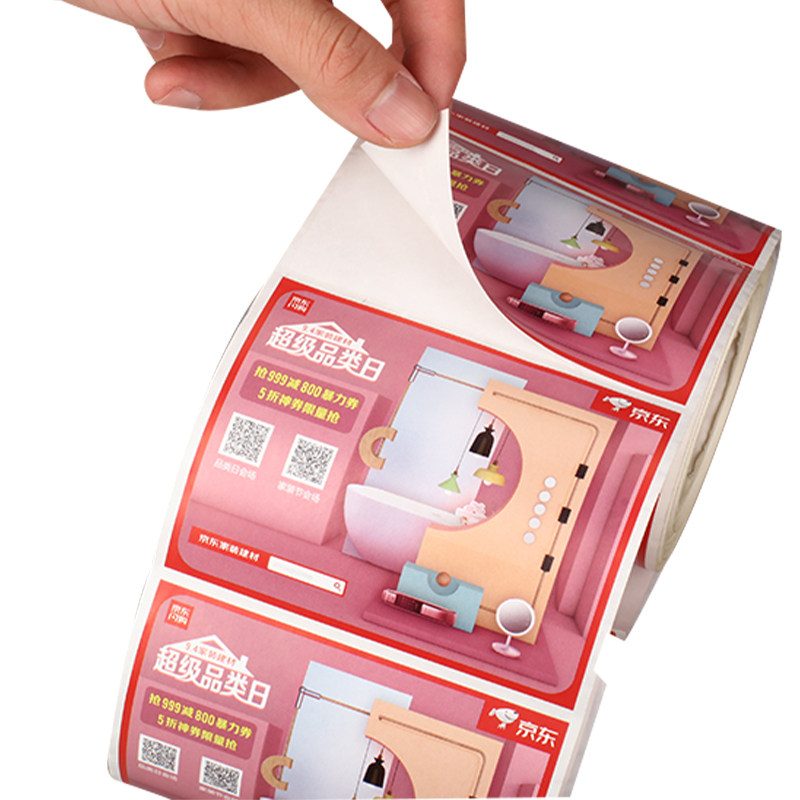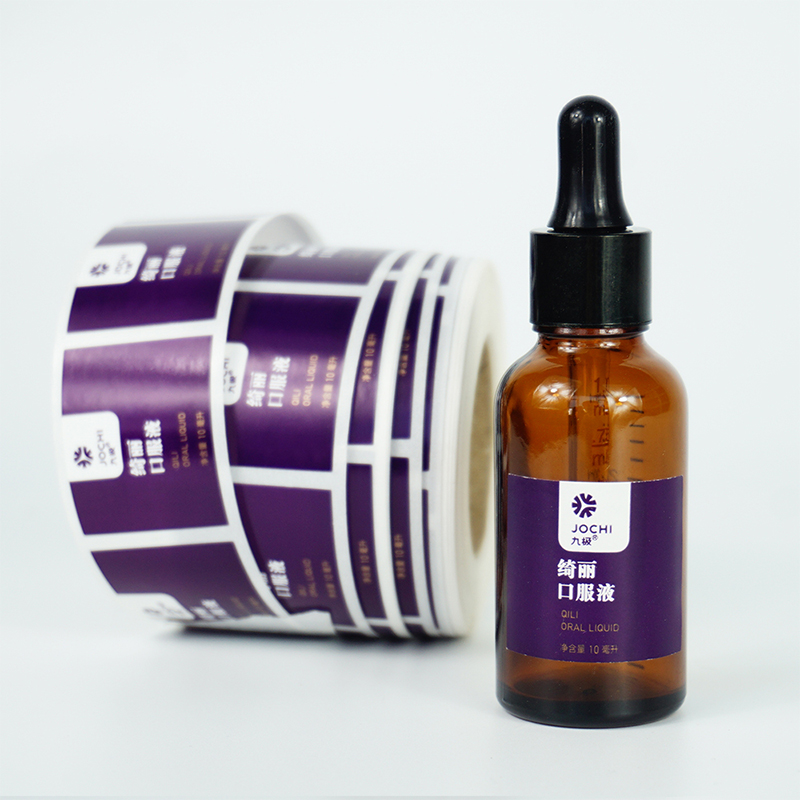

customized bright silver dumb silver PET nameplate electrical stickers label
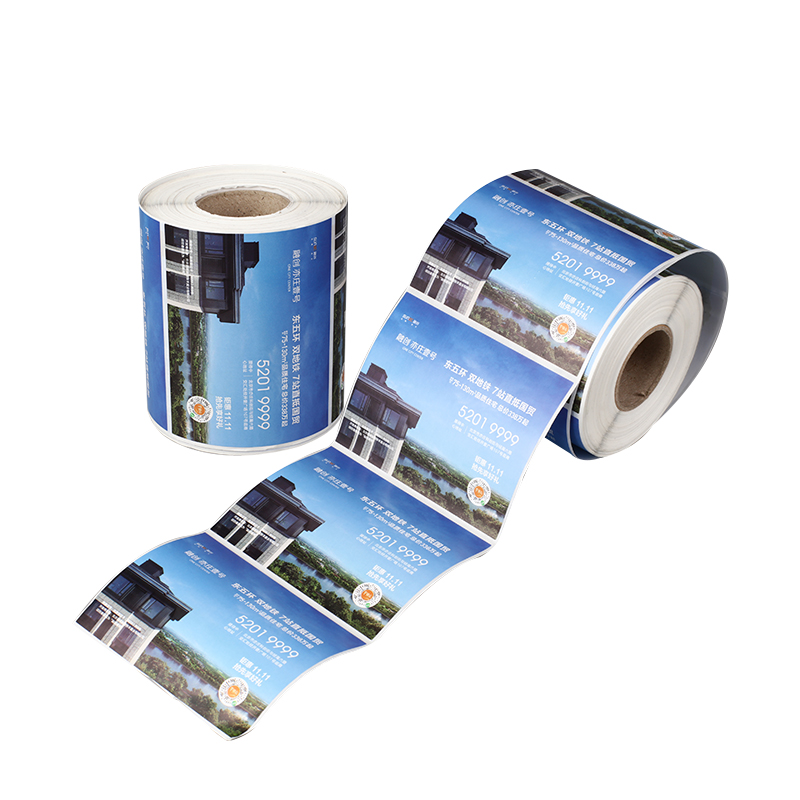
Product Overview
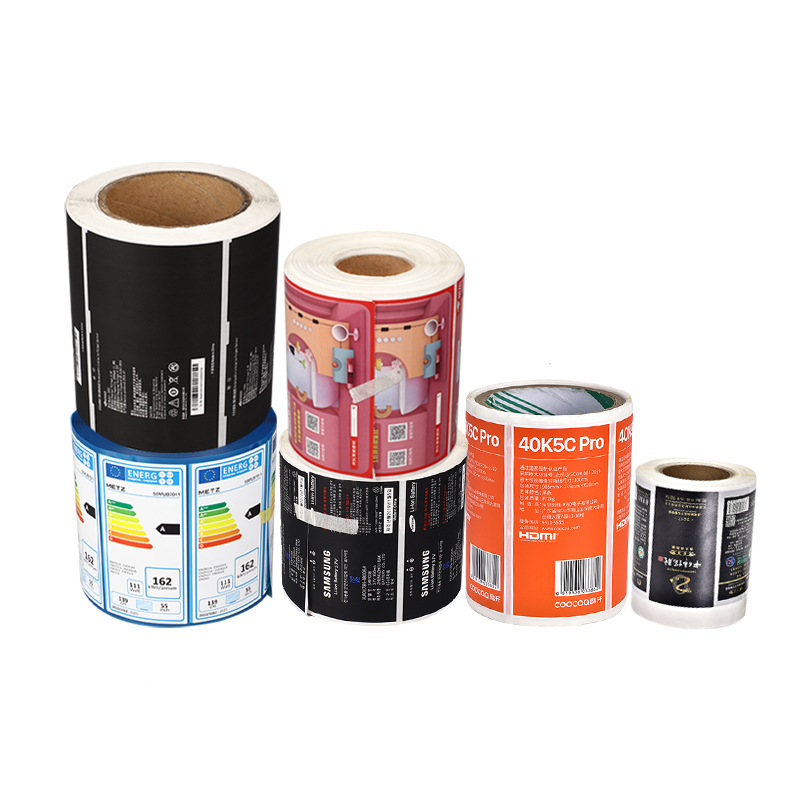
Sailingpaper bright silver and dumb silver PET electrical label products are designed for appliance nameplates, technical identification, product branding, operating information and product traceability.
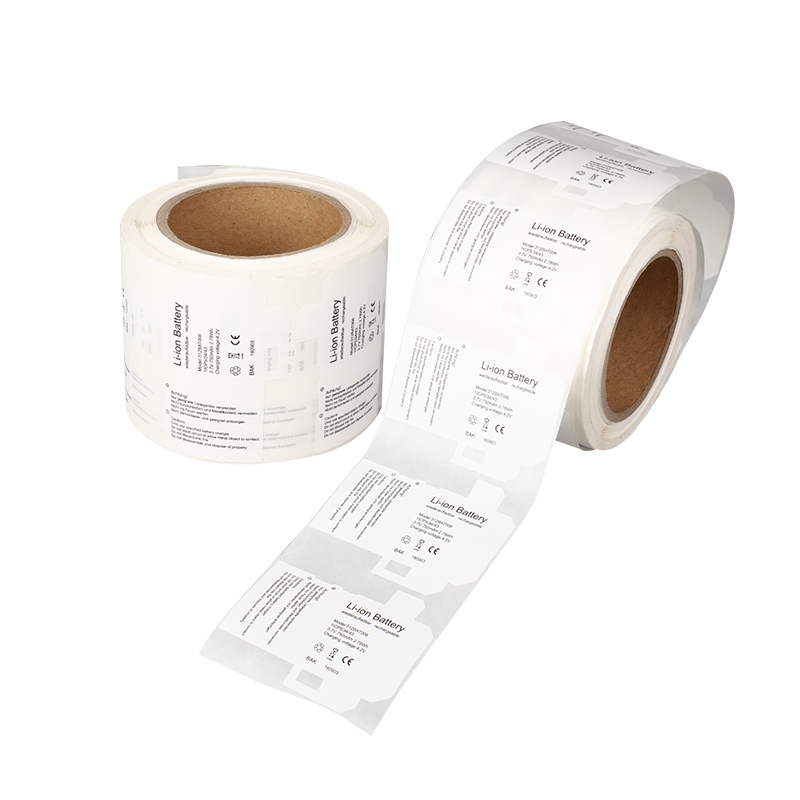
The metallic PET surface creates a clean and professional appearance while providing a stable printing area for model numbers, voltage, wattage, serial numbers, manufacturer information, safety symbols, barcodes and QR codes.
These labels can be used on household appliances, kitchen equipment, electronic devices, heating products, electrical control equipment and industrial devices.
Rather than limiting the product to a standard sticker specification, Sailingpaper can customize the material, adhesive, size, shape, printing content, metallic appearance and finished format according to the actual electrical product.
Product Specifications
| Item | Specification |
| Application | Appliances / Electrical Equipment / Electronics |
| Material | Bright Silver PET / Dumb Silver PET / Self-Adhesive Label |
| Adhesive | Customized According to Application Surface |
| Color | Full Colors CMYK / Pantone Colors |
| Shape | Round / Square / Rectangle / Oval / Irregular / Custom |
| Size | Fully Customizable |
| Printing | Logo / Text / Symbols / Barcode / QR Code / Variable Data |
| Surface Finishing | Glossy / Matte / Metallic / Stamping |
| Feature | Waterproof / Durable / Clear Printing |
| Packing | Rolls & Individual Sheets |
| Standard Reference | 500PCS/Roll |
| Sample | Free Sample Available |
PET Material for Durable Product Identification
Electrical appliances normally remain in service much longer than the packaging in which they are supplied. For this reason, product nameplates and technical labels often require a more stable material than ordinary paper stickers.
PET film provides a smooth and dimensionally stable surface suitable for detailed printing, small technical text and metallic finishes.
A finished electrical label may remain on the product throughout:
Manufacturing → Assembly → Inspection → Packing → Transportation → Installation → Daily Use
Compared with standard paper materials, PET is better suited to many appliance applications where the label may experience routine handling, occasional moisture or surface rubbing.
The final performance depends on the complete combination of face material, adhesive, printing method, finishing and actual operating environment.
Bright Silver and Dumb Silver PET Finishes
The metallic surface is one of the key visual characteristics of this product.
1.Bright Silver PET
Bright silver PET offers a stronger reflective metallic appearance.
It is commonly used for:
①Brand nameplates
②Appliance logos
③Product model identification
④Decorative specification plates
⑤Electronic equipment
⑥Control panels
⑦Metallic appliance housings
The reflective finish can make the label look more integrated with metallic or premium appliance designs.
2.Dumb Silver PET
Dumb silver PET provides a softer metallic appearance with reduced glare.
It is especially suitable for:
①Small technical text
②Product specifications
③Serial numbers
④Product codes
⑤Barcodes
⑥QR codes
⑦Operating information
⑧Safety information
When an electrical label contains a large amount of technical information, the lower-reflection surface can improve overall readability.
Designed Around Actual Product Information
Electrical appliances often have limited space for labeling while requiring a large amount of technical and identification information.
The printed content can include:
①Brand logo
②Product name
③Model number
④Product code
⑤Rated voltage
⑥Frequency
⑦Wattage
⑧Current
⑨Manufacturer
⑩Country of origin
⑪Serial number
⑫Batch number
⑬Barcode
⑭QR code
⑮Electrical symbols
⑯Warning icons
⑰Operating precautions
⑱Maintenance information
⑲Inspection information
Instead of simply reducing every element to fit a small area, the artwork can be organized according to information priority.
For example, the model number and electrical ratings can remain prominent, while manufacturer details, serial information and warning content are arranged in separate visual zones.
This helps create a cleaner and more practical product nameplate.
Integrating Branding, Ratings and Traceability
One PET label can combine several functions within a single design:
Brand Identity + Product Model + Electrical Specifications + Traceability Data
This reduces the need for several unrelated stickers on the appliance and creates a cleaner finished appearance.
Where additional warnings are required, part of the same visual system can incorporate an electrical safety label or separate matching custom electrical safety labels.
Using coordinated materials, typography and dimensions helps the complete product maintain a consistent visual identity.
Adhesive Selection for Different Appliance Surfaces
The PET face material is only one part of a finished label. The adhesive must also match the actual product housing.
Common appliance surfaces include:
①ABS plastic
②PC engineering plastic
③PP
④PE
⑤Painted metal
⑥Powder-coated steel
⑦Stainless steel
⑧Aluminum
⑨Glass
⑩Smooth coated surfaces
⑪Slightly textured plastic
Different surfaces can produce very different bonding results.
A label that adheres well to smooth stainless steel may require another adhesive construction when applied to textured ABS or low-surface-energy plastic.
For this reason, Sailingpaper recommends confirming the actual application surface before mass production whenever possible.
For demanding projects, samples can be tested directly on the final appliance housing.
Flat, Curved and Textured Surface Applications
1.Flat Surfaces
Flat appliance panels are suitable for larger technical nameplates and provide a broad adhesive contact area.
2.Slightly Curved Surfaces
PET labels can adapt to gently curved housings, but the final size, orientation and adhesive should be evaluated according to the product geometry.
3.Textured Surfaces
Textured plastic reduces the actual contact area between the adhesive and the product surface.
Sample testing is particularly useful for these applications.
4.Recessed Nameplate Areas
Some appliances are designed with a molded or recessed area specifically for a nameplate.
In these cases, label dimensions and die-cut tolerances should closely match the available space.
Performance in Real Appliance Environments
An electrical label should be selected according to the environment in which the final appliance will actually operate.
1.Moisture and Cleaning
Kitchen appliances and household equipment may be wiped or cleaned regularly.
PET provides a more stable surface than ordinary paper for many of these product identification applications.
2.Routine Handling
Labels around control panels, handles and service areas may experience repeated touching and light rubbing.
The surface finish and printing process should therefore match the actual handling conditions.
3.Temperature
Heating appliances require additional evaluation.
For ovens, heaters, coffee machines and similar products, the important factor is the actual temperature around the label position rather than simply whether the appliance generates heat.
For heater label appliances projects, the label location and working temperature should therefore be confirmed before the final material and adhesive are selected.
4.Oil and Grease
Kitchen and industrial equipment may encounter oil or grease during normal operation.
Material, printing and surface finishing can be selected according to the expected exposure.
Applications Across Household and Kitchen Appliances
Bright silver and dumb silver PET labels can be used on:
①Coffee machines
②Electric kettles
③Air fryers
④Ovens
⑤Microwave ovens
⑥Blenders
⑦Mixers
⑧Toasters
⑨Refrigerators
⑩Dishwashers
⑪Water dispensers
⑫Fans
⑬Small household appliances
⑭Commercial kitchen equipment
For private label kitchen appliances, manufacturers can establish one consistent nameplate design across several product models.
The logo, typography, metallic appearance and general layout can remain the same while technical values such as voltage, wattage, model number and serial data change according to each SKU.
This makes the label system easier to manage across OEM and private-label product ranges.
Applications Across Electrical and Electronic Equipment
The same PET construction can also be adapted for:
①Power adapters
②Chargers
③Power supplies
④Controllers
⑤Switches
⑥Electrical cabinets
⑦Control panels
⑧Motors
⑨Electronic devices
⑩Testing equipment
⑪Industrial machinery
⑫Equipment housings
Depending on the application, these electric labels can be used for brand identification, technical ratings, model information, traceability or service instructions.
This allows the material to serve both consumer appliances and industrial equipment.
Safety Information Within the Product Label System
Some areas of an appliance require warnings to remain visible during operation or servicing.
Typical content may include:
①High-voltage warnings
②Electric shock hazard symbols
③Disconnect-power instructions
④Hot-surface notices
⑤Operating precautions
⑥Service information
⑦Maintenance reminders
⑧Inspection markings
For equipment with several warning positions, electrical safety labels stickers can be supplied as a coordinated set rather than designed as unrelated individual labels.
A warning label can use a stronger color contrast or a different shape from the metallic product nameplate while maintaining consistent production quality.
For inspection and maintenance applications, an electrical safety tag label may also be incorporated into the complete equipment identification system.
All electric warning labels, safety symbols and regulatory wording should be confirmed by the electrical product manufacturer according to the final application and destination market.
Technical Ratings and Product Data
Many electrical products use the main nameplate to display operating specifications.
A typical information structure may include:
Model | Rated Voltage | Frequency | Current | Power | Serial Number | Manufacturer
Additional symbols and compliance information can be added according to approved artwork.
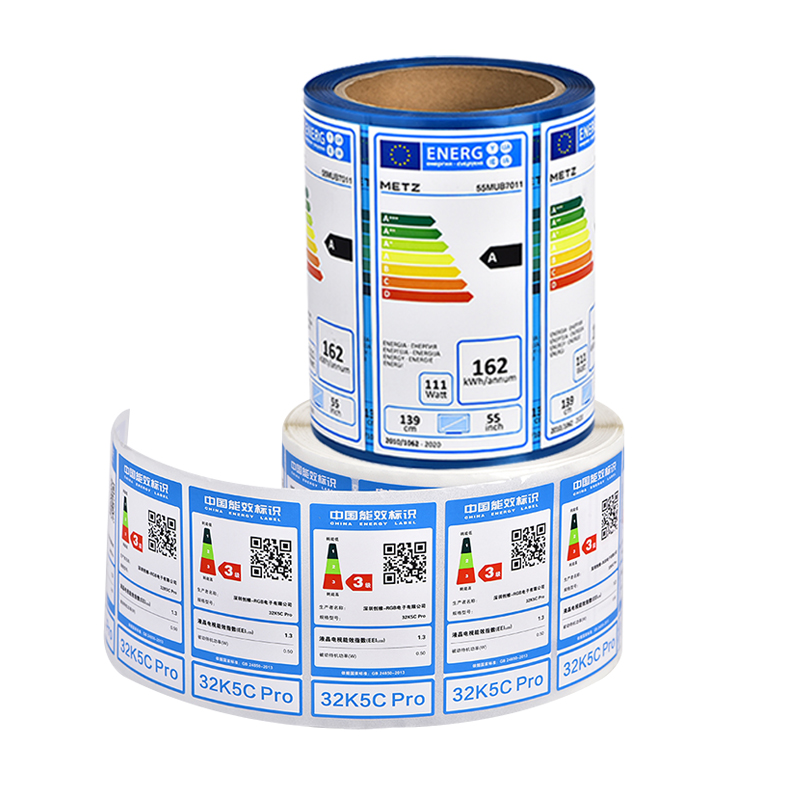
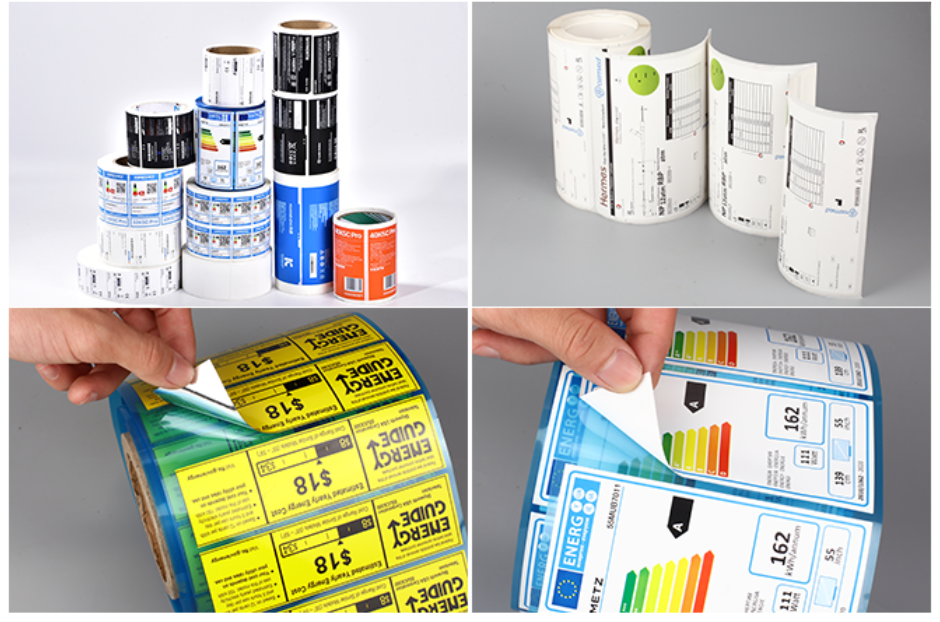
For appliance projects requiring appliance energy rating labels, Sailingpaper can manufacture labels according to customer-supplied artwork, dimensions and technical data.
The appliance manufacturer should confirm the accuracy of energy ratings, compliance marks, required wording and regulatory formats for the destination market.
Managing Multiple Models with One Label System
Appliance manufacturers often need one basic label design to support several models.
The artwork can therefore be divided into fixed and variable information.
①Fixed Information
②Brand logo
③Company name
④Brand colors
⑤Technical headings
⑥Standard warning text
⑦Symbols
⑧General instructions
⑨Variable Information
⑩Model number
⑪Voltage
⑫Wattage
⑬Serial number
⑭Batch number
⑮Product code
⑯Barcode
⑰QR code
This allows one visual system to support multiple SKUs.
For larger product ranges, electrical labels personalised with model-specific information can maintain the same branding while changing only the data required for each model.
Barcode and QR Code Traceability
Barcodes and QR codes can make the electrical label part of the wider production and after-sales traceability system.
Codes can correspond to:
①Product serial number
②Model information
③Production batch
④Manufacturing records
⑤Internal inventory
⑥Product manuals
⑦Warranty systems
⑧Maintenance records
⑨After-sales information
For metallic labels, artwork preparation should consider:
①Code dimensions
②Printing contrast
③Metallic reflection
④Required quiet zone
⑤Scan distance
⑥Surface curvature
Dumb silver PET is worth testing when reduced glare is important for barcode or QR code scanning.
Building a Complete Label Set for One Product
A finished appliance may use several labels in different locations.
For example:
1.Front / Side: Brand nameplate
2.Back: Technical specification label
3.Power Area: Safety warning label
4.Bottom / Inside: Serial number or barcode label
5.Service Area: Inspection or maintenance label
Some procurement specifications describe this complete identification arrangement as a tag/label electrical system.
Coordinating these labels through one material and design strategy can improve consistency across the entire appliance.
Custom Shapes for Different Product Structures
Sailingpaper supports:
①Round
②Square
③Rectangle
④Oval
⑤Rounded rectangle
⑥Irregular shapes
⑦Custom die-cut designs
The final shape can be developed around the actual product structure and avoid:
①Screw holes
②Ventilation openings
③Product edges
④Control buttons
⑤Housing joints
⑥Strongly curved areas
This allows the electrical label to fit naturally into the appliance design instead of appearing as an additional sticker applied after production.
Printing Options
Printing can be configured according to technical and branding requirements.
Available options include:
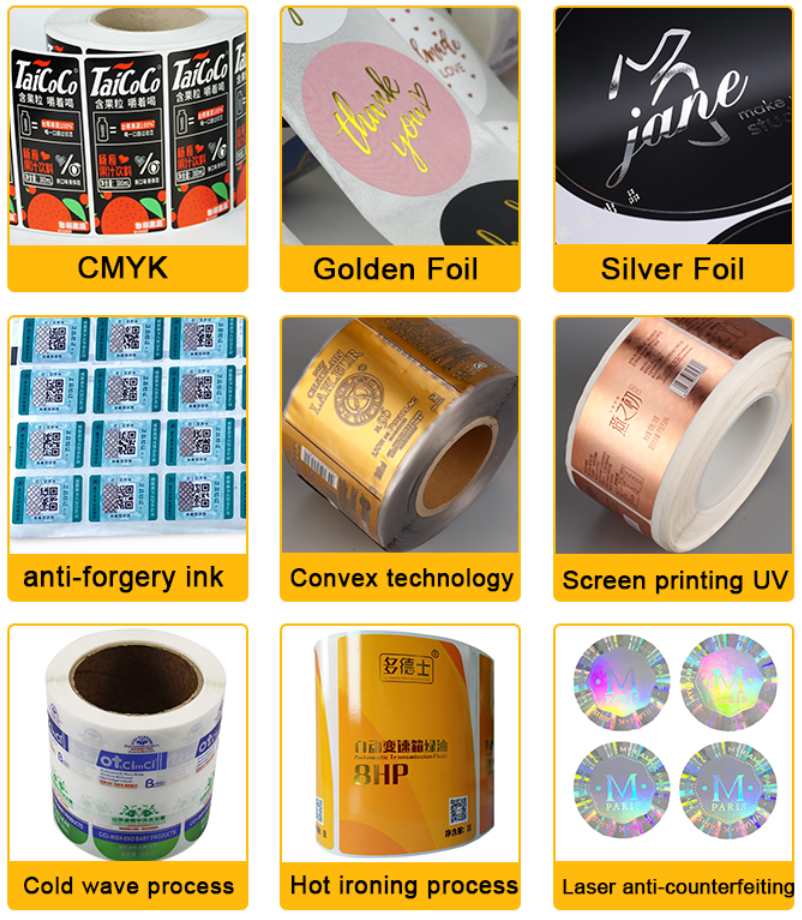
①CMYK full-color printing
②Pantone colors
③Black technical printing
④Custom logo
⑤Product specifications
⑥Electrical symbols
⑦Warning icons
⑧Barcode
⑨QR code
⑩Serial number
⑪Variable data
The printing process can be selected according to material, artwork, quantity and required finished appearance.
Surface Finishing Options
Available effects may include:
①Bright metallic finish
②Dumb silver metallic finish
③Glossy finish
④Matte finish
⑤Stamping
⑥Other customized finishing
For decorative nameplates, metallic appearance may be the primary consideration.
For technical labels containing dense information, readability and information contrast may take priority.
Customization Options
| Item | Available Options |
| Face Material | Bright Silver PET / Dumb Silver PET |
| Adhesive | Selected According to Application Surface |
| Color | CMYK / Pantone |
| Size | Fully Customizable |
| Shape | Round / Square / Rectangle / Oval / Custom |
| Printing | Logo / Text / Symbols / Barcode / QR Code |
| Surface | Bright / Matte / Glossy / Metallic |
| Variable Data | Model / Serial Number / Barcode / QR Code / Batch |
| Delivery Format | Roll / Individual Sheet |
| Application | Appliances / Electrical Equipment / Electronics |
| Sample | Free Sample Available |
A custom electrical label project can therefore be configured around both the visual requirements of the product and the practical requirements of manufacturing and use.
OEM Product Development
OEM electrical appliance projects usually involve more than selecting a material and sending artwork.
Several product details should be considered together.
1.Product Housing
What material will the label be attached to?
2.Available Label Area
What are the exact dimensions and shape of the application position?
3.Information Density
How much technical information must fit within the available space?
4.Product Environment
Will the appliance experience heat, moisture, oil or frequent cleaning?
5.Brand Appearance
Should the metallic nameplate blend into the appliance or stand out visually?
6.Application Method
Will the labels be applied manually or on a production line?
7.Variable Information
Will every label be identical, or will model numbers, serial numbers and codes change?
Confirming these details before production helps reduce later changes to material, dimensions or artwork.
Sample Testing Before Bulk Production
Physical samples can help buyers evaluate the finished label directly on the actual product.
Samples can be checked for:
①Dimensions
②Metallic appearance
③Printing colors
④Small text readability
⑤Barcode and QR code scanning
⑥Adhesion
⑦Edge stability
⑧Fit with the appliance housing
Sample testing is particularly useful for:
①Textured plastic
②Curved surfaces
③Unusual substrates
④Heat-related applications
⑤Products exposed to regular cleaning
⑥Projects requiring precise barcode scanning
This helps confirm the complete electrical label construction before mass production.
Quality Control
For appliance nameplates, quality control involves more than checking whether the printing looks correct.
1.Material Consistency
Confirm bright silver or dumb silver PET surface appearance.
2.Printing Clarity
Check logos, technical specifications, warning symbols and small text.
3.Color Consistency
Maintain consistent brand colors and printing between batches.
4.Die-Cutting Accuracy
Check dimensions, corners and custom outlines.
5.Barcode and QR Code Readability
Verify machine-readable information when required.
6.Adhesion Evaluation
Representative samples can be tested on the actual or similar appliance surface.
7.Finished Roll Quality
Check winding direction, quantity per roll and finished packing according to order requirements.
These checks help improve consistency from one production batch to another.
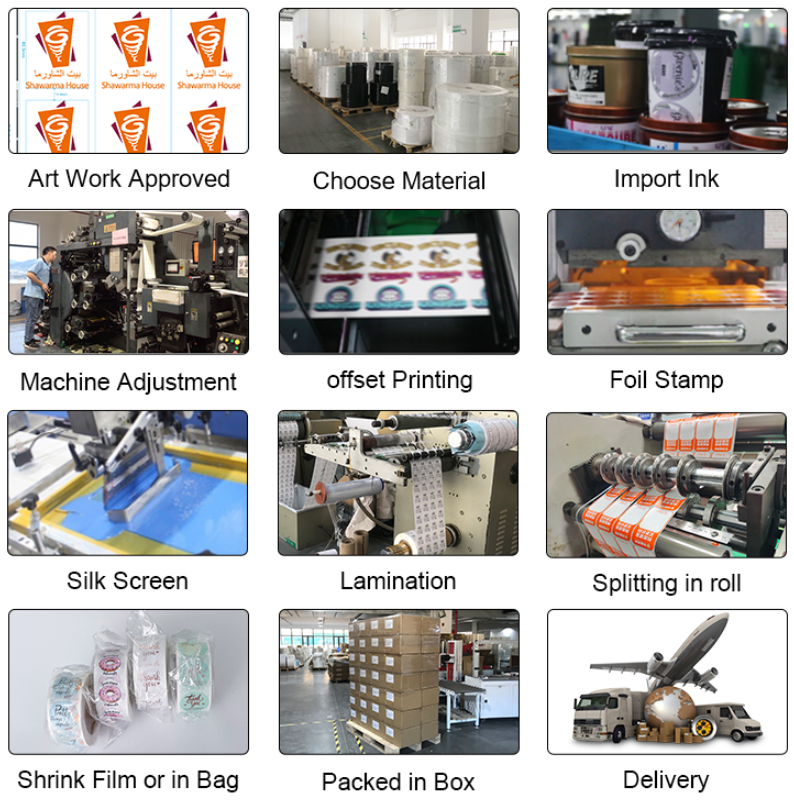
Production Process
Step 1 — Confirm Product Requirements
Provide label dimensions, artwork, quantity and appliance application.
Step 2 — Select Material
Confirm bright silver PET, dumb silver PET or another suitable construction.
Step 3 — Match Adhesive
Confirm housing material and actual use environment.
Step 4 — Review Artwork
Check dimensions, technical text, symbols, barcodes and finishing requirements.
Step 5 — Confirm Sample
Produce samples where required.
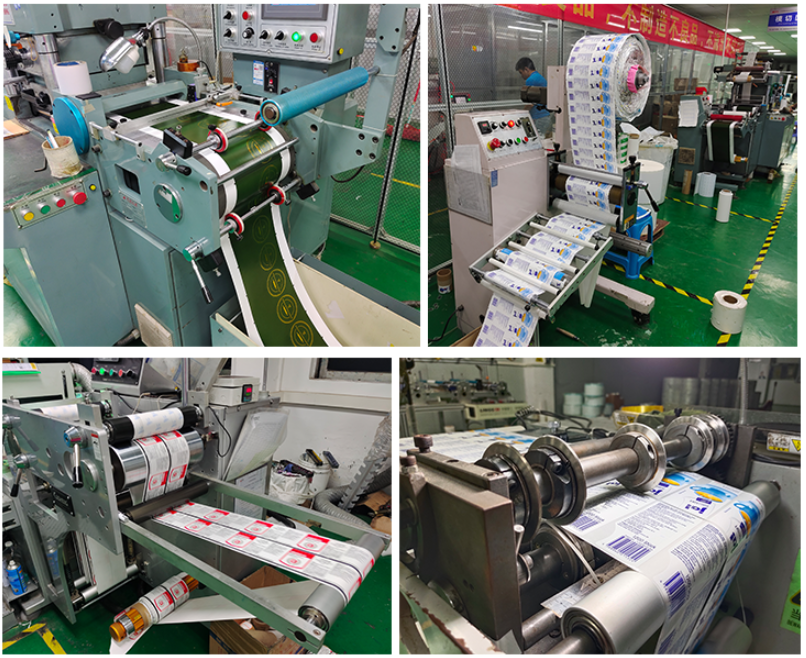
Step 6 — Printing and Die Cutting
Complete printing, finishing and converting according to the approved specification.
Step 7 — Finished Product Inspection
Check printing, dimensions, die cutting, winding and order requirements.
Step 8 — Packing and Delivery
Labels can be supplied in rolls or individual sheets according to purchasing and production requirements.
Our Advantages
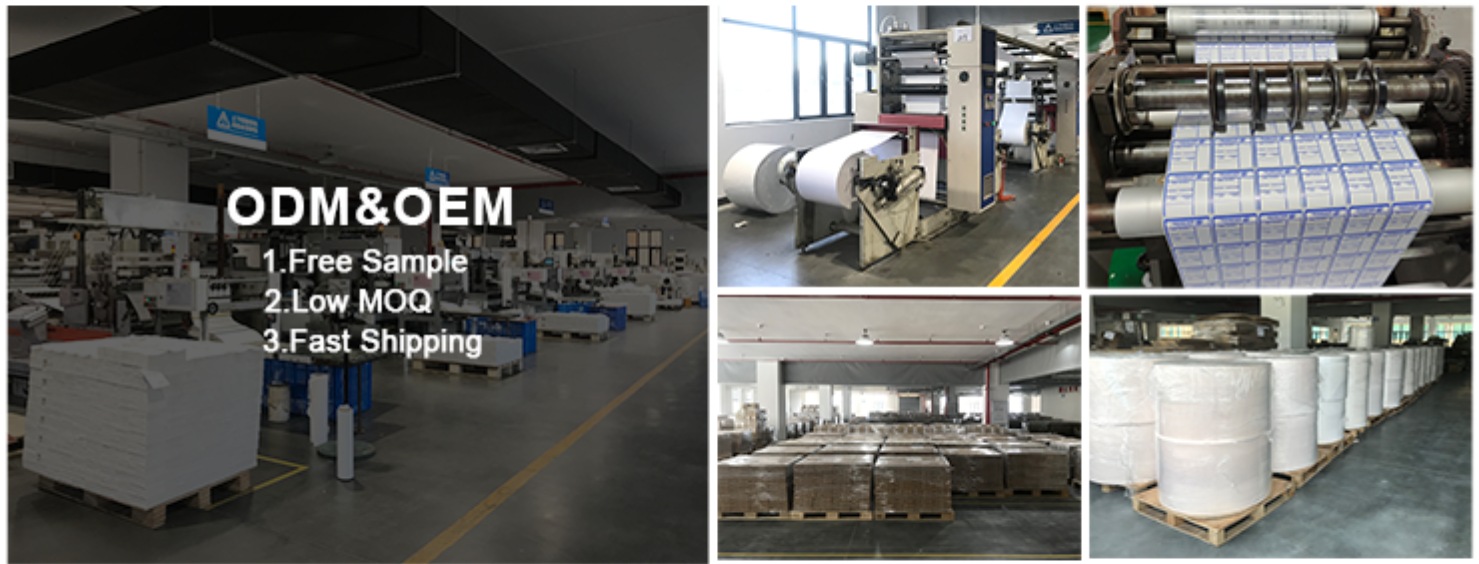
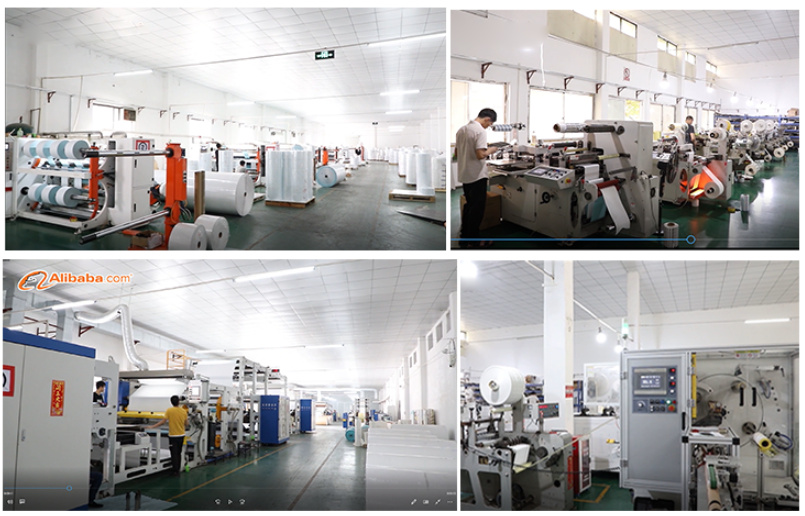
Customized self-adhesive labels of various materials, support light customization, professional and scientific production process and equipment, provide customers with a full set of integrated solutions for packaging consumables and personalized servicesconsumables and Personalized service.
For appliance projects, material, adhesive, technical information, label dimensions and finished format can also be coordinated around the actual product requirements.
Packing & Shipping
Shipping: everything you needto know
we want you to get your package as quickly andaffordably as possible, whether you ordered way inadvance or need your product ASAP.
Here you could contact us for your shipping options.
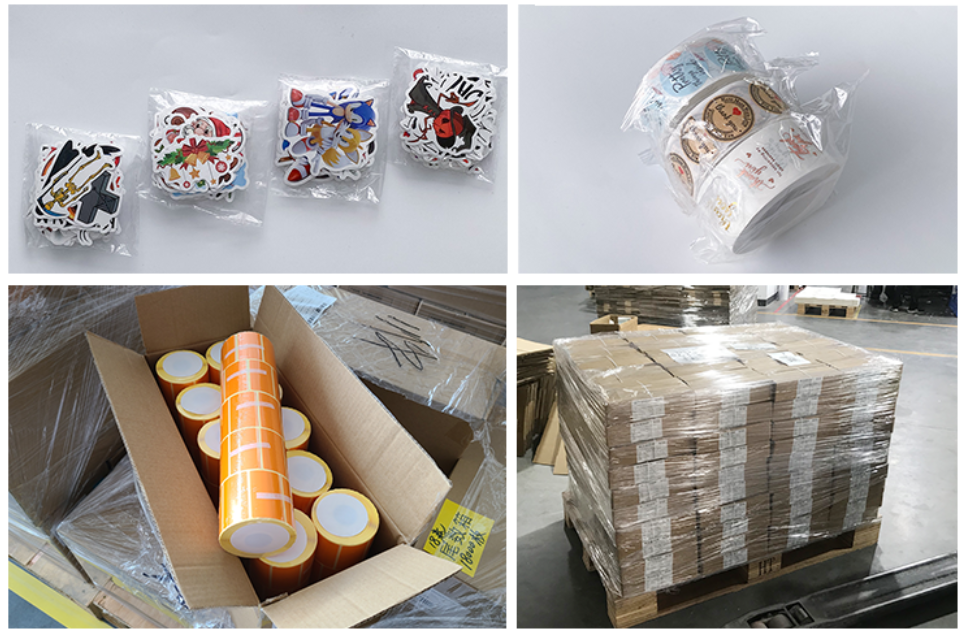
For customized appliance labels, labels per roll, individual sheet packing, carton configuration and shipping arrangement can also be confirmed according to order requirements.
Information Needed for Quotation
For a faster and more accurate quotation, please provide:
①Label width × height
②Shape
③Bright silver or dumb silver PET
④Actual application surface
⑤Artwork
⑥Printing colors
⑦Order quantity
⑧Roll or sheet format
⑨Labels per roll
⑩Barcode or QR code requirements
⑪Variable data requirements
⑫Surface finishing
⑬Special operating conditions
⑭ Destination country
If the final material has not yet been selected, simply provide the product type, housing material and expected use environment.
Why Choose Sailingpaper?
Sailingpaper supports customized label projects from material selection and printing through die cutting and finished converting.
For appliance and electrical equipment projects, the electrical label can be developed around the finished product rather than treated as an independent printed sticker.
The project can take into consideration:
①Housing material
②Available application area
③Bright silver or dumb silver appearance
④Adhesive performance
⑤Technical information
⑥Safety information
⑦Traceability requirements
⑧Barcode and QR code requirements
⑨Model variations
⑩Application method
⑪Finished roll configuration
This product-focused approach is especially suitable for appliance manufacturers, OEM suppliers, distributors and private-label brands managing multiple product models.
FAQ
Can bright silver and dumb silver PET labels be made in custom sizes?
Yes. Dimensions and shapes can be customized according to the actual appliance housing and available labeling area.
Which PET surface is better for technical information?
Dumb silver PET is often worth considering when the label contains a large amount of small technical text because its lower-reflection surface can improve readability.
Can voltage, wattage and model information be printed?
Yes. Model numbers, rated voltage, frequency, power, serial numbers, manufacturer information and other technical data can be included in the artwork.
Can several product models use the same label design?
Yes. The basic artwork can remain consistent while model numbers, voltage, serial numbers, barcodes and other variable information are changed.
Can barcodes and QR codes be printed on metallic PET?
Yes. Code dimensions, printing contrast, metallic reflection and scanning conditions should be considered during artwork preparation.
Can the labels be used on kitchen appliances?
Yes. Bright silver and dumb silver PET labels can be customized for coffee machines, kettles, air fryers, ovens, mixers and many other household or commercial appliances.
Can the labels be used on heating equipment?
Yes, but the actual temperature at the label position should be confirmed before the final face material and adhesive are selected.
Can product nameplates and warning labels be produced together?
Yes. Main nameplates, rating labels, warning labels, traceability labels and other identification labels can be coordinated within the same project.
Can samples be tested before mass production?
Yes. Free samples are available, and customized sample testing can also be discussed according to the specific project.
CTA
Build the Right Electrical Label for Your Product
Send Sailingpaper your label size, artwork, application surface, quantity and actual use conditions.
We can customize bright silver or dumb silver PET nameplates according to your product appearance, technical information, production process and application requirements.
| Shape | size | Specification | Weight |
| customizable | customizable | 500PCS/roll | / |