


Factory custom e-ink electronic digital price shelf label
Product Overview
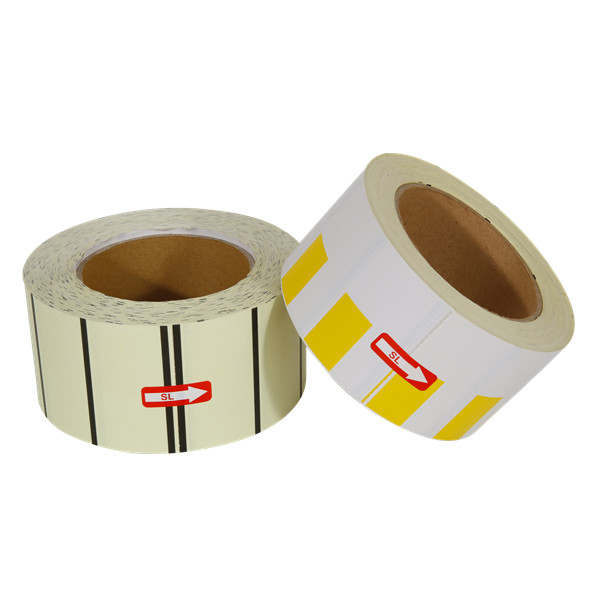
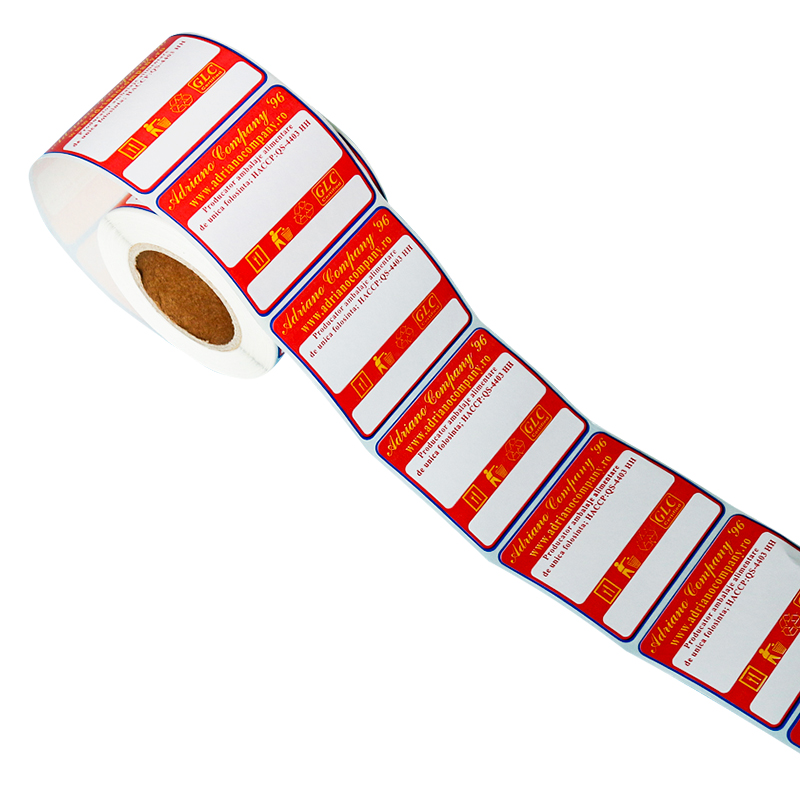
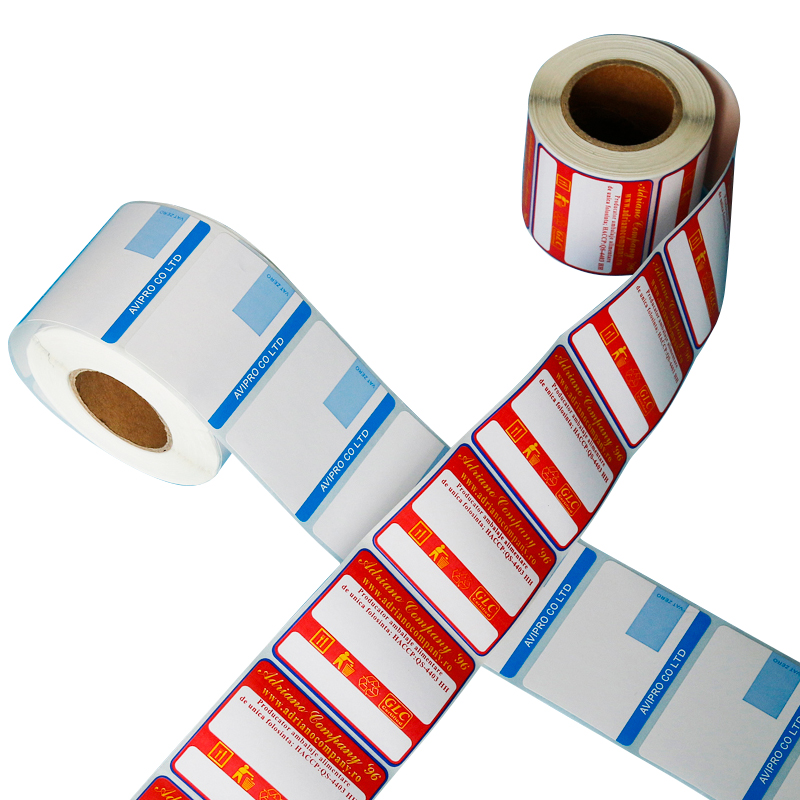
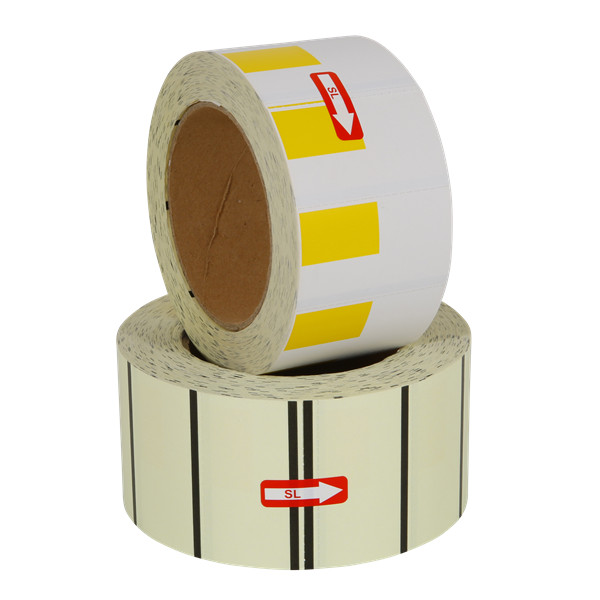
A well-designed price shelf label gives customers the product and pricing information they need at the exact point where purchasing decisions are made. It can display the product name, regular price, promotional price, unit information, SKU, barcode, QR code and shelf-location data in a compact and easy-to-read format.
Sailing Paper manufactures customized printed shelf labels for supermarkets, convenience stores, pharmacies, department stores, hardware shops, electronics retailers, warehouses, libraries and other organized commercial environments.
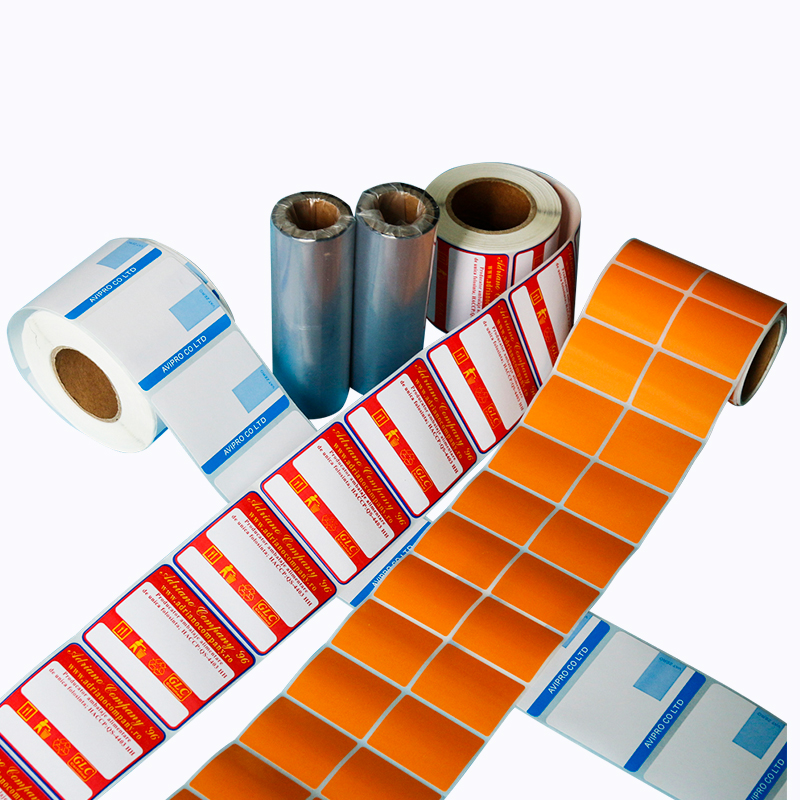
According to the shelf structure and replacement process, the labels can be supplied as adhesive stickers, non-adhesive shelf inserts, synthetic shelf strips, rolls, sheets, fanfold stacks or individually cut cards. Size, material, adhesive, printing, shape and packaging can all be adjusted according to the customer’s actual shelf system.
Unlike ordinary packaging stickers, store shelf price labels must fit the shelf rail or label holder accurately, remain readable under retail lighting and support efficient price replacement. A consistent shelf-labelling system also helps retail groups maintain the same price presentation across different departments and store branches.
Product Specifications
| Item | Available Options |
| Product Name | Custom Price Shelf Label |
| Brand | Sailing Paper |
| Place of Origin | China |
| Material | Sticker paper, coated paper, direct thermal paper, synthetic paper, PP, PET or custom material |
| Color | CMYK, spot color, black and white, brand color or promotional color |
| Size | Custom size based on shelf rail, holder or application surface |
| Shape | Rectangle, square, round, oval, irregular or custom die-cut shape |
| Printing | Full-color printing, spot-color printing, barcode printing and variable-data printing |
| Surface | Matte, glossy, uncoated, laminated or writable |
| Adhesive | Permanent, removable, repositionable or non-adhesive |
| Label Format | Roll, sheet, fanfold, individual cut label or shelf-rail insert |
| Variable Information | Product name, price, SKU, barcode, QR code, date, discount or location code |
| Application | Supermarkets, retail stores, warehouses, stockrooms, pharmacies and libraries |
| Packaging | By roll, bundle, carton, SKU, department or store branch |
| Customization | Material, size, artwork, color, adhesive, format, core and packaging |
Specifications can be adjusted according to the shelf structure, printing method, replacement frequency and operating environment.
More Than a Simple Price Display
The shelf edge is one of the last places where customers confirm product information before deciding what to buy. An effective label should therefore do more than show a large price.
A complete shelf label layout may include:
1.Product name and short description
2.Regular and promotional prices
3.Price per unit, weight or volume
4.SKU or internal product number
5.EAN, UPC or other barcode
6.QR code linked to product information
7.Promotion period or discount condition
8.Product origin or category
9.Shelf location or planogram code
10.Store logo and brand colors
By organizing this information into a clear visual hierarchy, shelf edge price labels can make prices easier to compare without overcrowding the limited shelf space.
The price area can be enlarged for quick recognition, while barcodes and stock-control data can be placed in a separate operational area for store employees.
Customized Label Sizes for Different Shelf Systems
There is no single retail shelf label size that fits every store. The correct dimensions depend on the shelf channel, plastic holder, display structure, product spacing, viewing distance and amount of information required.
A narrow grocery shelf may only require a compact price and barcode format. Pharmacies, hardware shops and electronics retailers may need a larger label to show product models, dimensions or technical specifications.
Sailing Paper can customize labels for:
| Shelf or Display Type | Suitable Label Format |
| Standard supermarket shelf rail | Rectangular card or adhesive label |
| Narrow shelf channel | Compact price and barcode label |
| Refrigerated cabinet | Moisture-resistant synthetic label |
| Promotional end-cap display | Larger promotional price label |
| Peg hook display | Small die-cut label or hanging card |
| Warehouse storage rack | Large barcode and location label |
| Pharmacy shelf | Price, product and specification label |
| Library shelving | Classification and location label |
Before confirming production, the usable internal width and height of the shelf channel should be measured. Buyers should also consider insertion clearance, cutting tolerance and the required barcode quiet zone.
Standardized Templates for Chain Stores
A standard shelf label template helps retail groups maintain a consistent information structure across products, departments and store branches.
The template can define the fixed position of:
1.Retail brand or store logo
2.Product name
3.Regular selling price
4.Promotional price
5.Unit or weight information
6.SKU and barcode
7.QR code
8.Promotion validity period
9.Shelf-location code
Once the main structure is approved, the same layout can be adapted to different label sizes without changing the basic information hierarchy.
This is particularly valuable for multi-store shelf edge labelling projects. Instead of allowing each branch to create a different price layout, retailers can control fonts, price positions, promotional colors and barcode areas through one approved system.
Labels can then be separated and packed by branch, department, SKU or promotional campaign, reducing sorting work after delivery.
Materials Selected for the Actual Retail Environment
The material should be chosen according to the display environment, printing method, service period and frequency of replacement.
1.Coated Sticker Paper
Coated paper provides a smooth surface for CMYK graphics, product information and promotional designs. It is suitable for general indoor shelves where the labels are protected from excessive moisture.
It is often selected for store shelf price labels, temporary campaigns and standard shop shelf edge labels.
2.Direct Thermal Paper
Direct thermal paper is suitable for stores that need to print changing prices, dates, barcodes or product information on demand.
The material can be supplied in rolls, fanfold stacks or sheets according to the printer and store workflow. No ribbon is required for direct thermal printing, making it suitable for frequent price updates.
3.Synthetic Paper
Synthetic paper offers better resistance to water, tearing and repeated handling than ordinary paper. It is suitable for beverage displays, refrigerated shelves and retail areas that are cleaned regularly.
4.PP and PET Film
PP and PET materials can be used when greater waterproof performance, dimensional stability or surface durability is required.
They are suitable for long-term shelf identification, refrigerated displays, warehouse racks and other demanding environments.
5.Non-Adhesive Shelf Inserts
For plastic shelf rails, non-adhesive paper or synthetic inserts can be used. Employees can remove and replace them without leaving adhesive residue on the shelf.
Adhesive Options Based on Replacement Frequency
The adhesive should be selected according to the shelf surface and how often the label will be changed.
Permanent adhesive is suitable for long-term product, equipment or shelf-location identification. Removable adhesive is more appropriate for temporary prices, campaigns and frequently replaced promotional labels.
Repositionable adhesive can be considered when the label needs to be aligned before final placement.
Because shelf surfaces may be made from powder-coated metal, plastic, glass, painted board or other materials, adhesive performance should be tested on the intended application surface before bulk production.
Waterproof Labels for Refrigerated and Frequently Cleaned Areas
Ordinary paper labels may absorb moisture, curl or lose adhesion when placed near refrigerated cabinets, chilled beverage displays or shelves that are cleaned frequently.
For these environments, waterproof shelf edge labels can be manufactured from synthetic paper, PP or PET and combined with a suitable adhesive.
Depending on the selected construction, the labels can offer improved resistance to:
1.Condensation and water droplets
2.Routine shelf cleaning
3.Frequent handling
4.Surface rubbing
5.Humid storage conditions
6.Light oil or chemical contact
7.Refrigerated display environments
The material and adhesive should be tested under the actual temperature, moisture and cleaning conditions of the store.
A label used inside a refrigerated cabinet may require a different construction from one used on a dry indoor shelf, even when both labels have the same size and artwork.
Promotion and Color-Coding Management
Color can help shoppers distinguish promotional prices from regular prices. Yellow shelf labels are commonly used to highlight discounts, limited-time offers, clearance items and new-product campaigns.
Yellow can be applied as:
1.A full label background
2.A promotional price block
3.A border around the price
4.A removable overlay sticker
5.A fluorescent promotional area
6.A colored shelf-rail insert
Retailers can also create a broader color-coding system. Different colors may represent product departments, promotion levels, inventory status or store campaigns.
The promotional format can be incorporated into the same standard template so that the store does not need to rebuild the entire label layout for each campaign.
Barcode and Variable-Data Printing
Shelf labels frequently connect the physical display with the retailer’s inventory, POS or warehouse-management system.
Sailing Paper can print static and variable data, including:
1.SKU numbers
2.EAN and UPC barcodes
3.QR codes
4.Product names
5.Branch-specific prices
6.Promotion dates
7.Batch numbers
8.Shelf-location codes
9.Sequential numbers
10.Department or store numbers
For variable-data orders, the customer can provide the database or spreadsheet together with the approved artwork structure.
Barcode size, print contrast and quiet zones should be designed according to the intended scanner and scanning distance. Sample scanning is recommended before mass production.
Clear and accurate barcodes are particularly important when the same label supports both customer-facing pricing and employee inventory operations.
Retail Applications Across Different Store Formats
Supermarket shelf edge labels can be used in grocery aisles, beverage sections, household-goods areas, fresh-food departments and refrigerated displays.
The information displayed may vary by department. Grocery labels often emphasize unit price and weight, while household and electronic-product labels may require product models, dimensions or feature descriptions.
Retail shelf edge labels are also suitable for:
1.Convenience stores
2.Pharmacies and healthcare retailers
3.Cosmetic stores
4.Hardware and building-material stores
5.Electronics shops
6.Department stores
7.Discount stores
8.Bookshops
9.Specialty retail stores
For specialist stores, shop shelf edge labels can include more than the price. Product specifications, compatibility information, model numbers and short feature descriptions can be integrated into the layout.
This allows the shelf label to support both price communication and basic product comparison.
Shelf Identification Beyond the Sales Area
The same printing and converting capabilities can also be applied to back-of-store and non-retail identification.
Rack and shelf labels are used in warehouses, stockrooms and distribution centers to identify:
1.Aisle and rack numbers
2.Shelf and bin locations
3.Pallet positions
4.Product categories
5.Picking routes
6.Replenishment areas
7.Inventory status
8.Barcode-based location data
Warehouse labels generally require larger text, stronger contrast and greater scanning distance than customer-facing retail labels.
Materials can also be selected according to warehouse temperature, handling frequency and surface conditions.
A library shelf label can use a similar structure to display classification numbers, book categories, aisle information and shelf positions. Removable materials are suitable for libraries where collections or shelving arrangements change regularly.
These applications allow buyers to standardize customer-facing, backroom and storage identification through one coordinated label supply program.
Supporting Intelligent Retail Systems
Electronic price displays are increasingly used in modern retail, but printed labels still perform important supporting functions within intelligent shelf label solutions.
Printed shelf labels can be used for:
1.Aisle and department identification
2.Shelf-position codes
3.Installation and mapping references
4.Product-category strips
5.Equipment identification
6.QR-code information
6.Temporary promotional overlays
7.Backup price communication
8.Shelf-maintenance instructions
In this type of project, printed labels work together with electronic displays instead of replacing them.
Information that changes frequently, such as the selling price, may be shown electronically. More stable information, such as the aisle number, product category, location code or installation reference, can remain printed.
For projects involving electronic shelf-label hardware, buyers should separately confirm the display dimensions, communication protocol, battery specification, software compatibility and integration requirements. The printed supporting labels can then be matched to the electronic display size, shelf layout and store color system.
Printing and Converting Capabilities
Sailing Paper supports a range of printing and converting options for customized shelf labels.
Available options include:
1.CMYK full-color printing
2.Spot-color and brand-color printing
3.Black barcode printing
4.Variable-data printing
5.Custom die-cutting
6.Matte or glossy surfaces
7.Protective lamination
8.Writable areas
9.Perforation
10.Sequential numbering
11.QR-code printing
12.Custom roll cores
13.Customized winding direction
14.Private-label packaging
15.Store and carton identification
The product can be supplied as rolls, sheets, fanfold stacks, individual labels or shelf strips.
Artwork should include the finished size, bleed, fonts, color references and barcode data. A digital proof or physical sample can be confirmed before bulk production.
Wholesale Production for Retail and Distribution Projects
As a China supermarket shelf label manufacturer, Sailing Paper supports customized manufacturing for retail groups, distributors, shelving suppliers, label converters and store-service companies.
Wholesale shelf edge labels can be manufactured in different sizes, materials, colors and adhesive structures according to the customer’s shelf system.
For projects containing multiple artworks or locations, labels can be organized by:
1.Store branch
2.Department
3.Product category
4.SKU
5.Label size
6.Promotion period
7.Installation area
8.Project batch
Inner packages and cartons can be marked with corresponding codes, helping retailers distribute the correct labels to the correct branches.
Once the specification and artwork are approved, they can be recorded for repeat orders. This helps buyers maintain consistent materials, dimensions and visual standards across long-term shelf edge labels retail programs.
Quality Control
Although shelf labels have a relatively simple structure, inaccurate cutting, unclear prices, unreadable barcodes or unsuitable adhesive can affect daily store operations.
The inspection process may include:
1.Material Verification
The paper, synthetic film, adhesive and surface finish are checked against the approved specification.
2.Artwork and Text Inspection
Product names, prices, symbols, dates and variable data are reviewed according to the confirmed file.
3.Color and Registration Inspection
CMYK colors, spot colors and printed elements are checked for consistency and alignment.
4.Size and Die-Cut Inspection
The finished width, height, shape and cutting position are inspected to ensure that the labels fit the intended shelf holder.
5.Barcode Testing
Barcodes and QR codes can be scanned to check readability before shipment.
6.Adhesion Testing
Permanent, removable or repositionable adhesives can be tested on the intended application surface.
7.Surface-Resistance Testing
Moisture, rubbing or cleaning-resistance tests can be carried out when required by the application.
8.Packaging Inspection
Quantity, roll direction, SKU separation, carton marks and shipment labels are checked before dispatch.
The inspection requirements can be agreed according to the material, application environment and order specification.
Packaging for Multi-Store Distribution
Shelf labels can be packed according to the customer’s operating and distribution process.
Available packaging methods include:
1.Individual rolls
2.Bundled shelf strips
3.Separate bags by SKU
4.Separate packs by department
5.Separate cartons by store branch
6.Inner boxes and export cartons
7.Palletized bulk shipments
8.Private-label packaging
9.Carton barcode identification
10.Project and installation-area marks
Organized packaging can reduce the amount of sorting required at distribution centers and individual stores.
For chain-store projects, the packing list can correspond to store, department and SKU information, making installation and replacement more efficient.
How to Select the Right Price Shelf Label
Before requesting a quotation, buyers should confirm several important details.
1.Shelf Structure
Provide the shelf-rail, holder or application-surface dimensions. Photos, drawings or physical samples can help confirm the correct label format.
2.Finished Size
Confirm the width and height of the label, including the visible area and any part inserted into the shelf channel.
3.Material
Choose coated paper, thermal paper, synthetic paper, PP or PET according to the operating environment and expected service period.
4.Adhesive
Confirm whether the label should be permanent, removable, repositionable or non-adhesive.
5.Printing Method
Specify whether the labels require full-color printing, monochrome printing, variable data or a blank printable surface.
6.Supply Format
Confirm rolls, sheets, fanfold labels, individual cards or shelf-rail inserts.
7.Application Environment
Explain whether the labels will be used on standard indoor shelves, refrigerated displays, warehouses, humid areas or frequently cleaned surfaces.
8.Order Quantity
Provide the required quantity by size, artwork, SKU or store branch.
9.Packaging Requirements
Explain whether the labels should be separated by department, branch, product category or installation area.
Providing this information helps the manufacturer recommend the appropriate material and prepare an accurate quotation.
Why Choose Sailing Paper?
1.Customized Around Your Shelf System
Material, size, shape, adhesive, printing and packaging can be developed according to the customer’s actual shelf structure.
2.Multiple Material Options
Paper, thermal paper, synthetic paper, PP and PET are available for different retail and storage environments.
3.Support for Variable Data
Barcodes, QR codes, SKU information, branch prices and sequential codes can be integrated into the same production order.
4.Sample and Proof Confirmation
Artwork, dimensions, material and scanning performance can be confirmed before bulk production.
5.Wholesale and Repeat-Order Support
Approved specifications can be maintained for future orders, helping retail groups and distributors keep consistent shelf-label standards.
FAQ:
1. Can the size of the price shelf label be customized?
Yes. The width, height and shape can be customized according to the shelf channel, plastic holder, display unit or application surface.
2. What information can be printed on the label?
The label can contain product names, regular prices, promotional prices, unit prices, SKU numbers, barcodes, QR codes, dates, location codes and store branding.
3. Are waterproof shelf labels available?
Yes. Synthetic paper, PP and PET can be used for refrigerated, humid or frequently cleaned environments. Sample testing is recommended under the actual conditions.
4. Can you produce removable promotional labels?
Yes. Removable adhesive can be selected for temporary prices, promotions, clearance campaigns and frequently replaced information.
5. Can promotional labels be produced in yellow?
Yes. Yellow backgrounds, borders, price blocks and removable promotional overlays can be customized.
6. Are these labels suitable for warehouses?
Yes. Larger rack and shelf labels can be produced with high-contrast barcodes, location codes and durable materials for warehouse use.
7. What information is required for a quotation?
Please provide the finished size, material, adhesive type, artwork, quantity, label format, application environment and packaging requirements.
8. Can samples be tested before bulk production?
Samples or proofs can be arranged according to the material, size and customization requirements of the project.
9. What supply formats are available?
Labels can be supplied in rolls, sheets, fanfold stacks, individual cut pieces or non-adhesive shelf inserts.
Request a Custom Price Shelf Label Solution
Whether you require supermarket pricing labels, promotional shelf stickers, refrigerated display labels, warehouse location labels or supplementary identification for an intelligent retail system, Sailing Paper can develop a suitable specification according to your shelf structure and operating process.
Send us your required size, artwork, material preference, order quantity, application environment and packaging method to receive a customized recommendation and quotation.

Products categories
-
Custom Logo Cosmetic Adhesive Gold Foil Sticker...
-
Factory custom red wine perfume oil cosmetic pr...
-
Good Quality Adhesive Waterproof Printing Clear...
-
High quality 4.2inch digital price tags epaper ...
-
Printing waterproof clear vinyl stickers cosmet...
-
Hot sale cosmetic perfume wine sticker cough bo...